Now Reading: 5 Vet-Approved Homemade Dog Food Recipes
- 01
5 Vet-Approved Homemade Dog Food Recipes

By Complete Dog Guide | Reviewed Against Veterinary Nutritional Guidelines (WSAVA & AAFCO)
Important Disclaimer: The recipes and nutritional information in this article are based on established veterinary guidelines from WSAVA and AAFCO. They are intended as a helpful starting point, not a substitute for personalized veterinary advice. Always consult your vet before making significant changes to your dog’s diet, especially if your dog is a puppy, senior, pregnant, or managing a health condition.
Why Are More Dog Owners Converting to Homemade Dog Food?
You grab a bag of commercial dog food from the pantry. You look at the ingredients. You take a closer look at terms like “by product meal,” “preservatives,” and “natural flavor.” The latter is a term that is so ambiguous it essentially has no definition.
It is that moment of uncertainty that led to the fact that millions of pet owners began making their own pets’ meals at home. Not because all kibble is poisonous. Not because all commercial pet foods are bad. But because having the ability to know exactly what goes into your pet’s bowl gives you an amount of control over what your pet eats that a factory seal on a bag can never give.
When done properly, a homemade pet meal can be just as safe as the best commercial kibble and better for many pets.
This blog will provide you with real, veterinarian-developed recipes along with the framework for achieving nutritional balance, a real list of foods that should never be fed to your pet, and the daily details you need to help you turn this into a habit and not a one-time experience that lasts until Tuesday afternoon.
What “Vet-Approved” Actually Means (And Why It Matters)
The term “vet approved” is tossed around online pretty loosely. Let us explain how it works here.
The recipes and guidelines presented in this article were written using the nutritional guidelines for pet food quality and nutritional adequacy provided by two of the major veterinary nutrition organizations in the world:
- WSAVA (World Small Animal Veterinary Association): sets global guidelines for evaluating pet food quality and nutritional completeness
- AAFCO (Association of American Feed Control Officials): defines the minimum nutrient profiles dogs need at every life stage
A homemade pet recipe developed using these standards is not “approved” by your personal veterinarian (you should discuss this with your veterinarian, regardless), but it was developed using the same scientific standards that your veterinarian uses to evaluate the quality of your pet’s food.
The takeaway: these recipes are not randomly selected from the internet. These recipes were developed using scientifically-based nutritional standards. You should run every single new pet food past your veterinarian especially if your pet has chronic health problems.
The Nutritional Foundation of Homemade Dog Meals
Before we get to providing you with actual recipes for a complete homemade pet meal, you must first understand what makes up a balanced pet meal. This is also the place where most pet owners who make their pets’ meals fail. Pet owners will prepare a good, well-intentioned pet meal (for example, chicken and rice), and then they will use it as a complete diet for weeks. While chicken and rice may be a good short-term, bland diet for a pet experiencing gastrointestinal upset; as a long-term diet, it is missing many critical nutrients — including calcium, essential fatty acids and multiple vitamins.
For a homemade pet meal to be considered a complete meal, there are five essential components:
A balanced homemade dog meal needs five things:
1. Quality Protein (40-50% of the meal)
Protein is the base of a canine diet. It is responsible for maintaining muscle mass, supporting the immune system, and maintaining healthy skin and coat.
High-quality protein sources for pets include:
- Ground beef (lean, 80/20 or leaner)
- Ground turkey or chicken
- Boneless chicken thighs or breast
- Salmon (cooked, boneless)
- Eggs (whole, cooked)
- Beef or chicken liver (in limited quantities no more than 5% of the diet)
Learn How to make Chicken and Rice for Dogs Safely
2. Complex Carbohydrates (25-30% of the meal)
Complex carbohydrates function as both energy sources and digestive fibers. Most dogs can consume cooked grains and vegetables without issue.
Examples of complex carbohydrates that can be used in a homemade pet meal include:
- Brown rice (high fiber, easily digestible)
- White rice (lower fiber, ideal during stomach recovery)
- Sweet potato (nutrient-dense, high in beta-carotene)
- Oats (excellent for dogs with grain sensitivities to wheat)
- Quinoa (complete protein + carb source)
3. Vegetables (15-20% of the meal)
Vegetables provide antioxidants, vitamins, and phytochemicals that may be lost during commercial processing.
Some vegetables that are safe for pets to consume include:
- Carrots (vitamin A, fiber, great for teeth)
- Broccoli (vitamin C, K in small amounts)
- Spinach (iron, antioxidants in moderation)
- Zucchini (low calorie, gentle on digestion)
- Green beans (fiber, low calorie filler for weight management)
- Peas (protein, B vitamins, potassium)
- Pumpkin (excellent for digestive health)
4. Healthy Fats
Fats are needed for brain function as well as coat quality and also aid in the absorption of fat-soluble vitamins (A, D, E, K).
Some healthy fat options are:
- Fish oil (omega-3 fatty acids anti-inflammatory)
- Flaxseed oil (plant-based omega-3s)
- Olive oil (monounsaturated fats, antioxidants)
- Coconut oil (used sparingly can be beneficial but is high in saturated fat)
5. Calcium and Micronutrient Supplementation
The area where most at-home chefs fall short of meeting their dogs’ needs is with this step.Most meats are rich in phosphorus but naturally low in calcium. . If you do not provide a calcium source to your homemade diet, it will cause an imbalance in your dog’s body and will damage their bones over time.
Methods for providing your dog with calcium supplements:
- Crushed eggshells (approximately 1/2 teaspoon per pound of cooked food provides roughly 1,000mg calcium)
- Plain yogurt (also provides probiotics)
- A dog-specific multivitamin or mineral supplement
If you plan to feed homemade food long-term, a vet-formulated supplement like Balanceit or Rx Vitamins Nutritional Support ensures you cover every nutritional base.
The 5 Best Vet-Aligned Homemade Dog Food Recipes
Recipe 1: Classic Ground Turkey and Vegetable Bowl
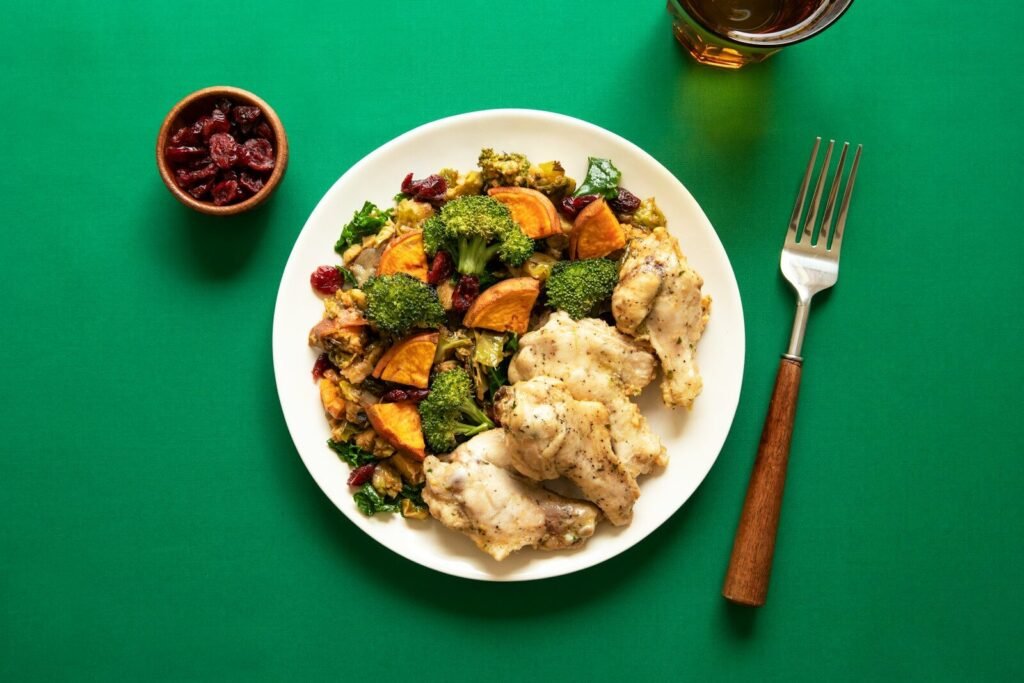
Best For: The majority of adult dogs, daily feeding, people new to making their own dog food.
The entry level recipe is for a reason. This is a solid nutritional recipe that is also budget friendly, has great ease of production and can be made in batches, and all in all is something that most dogs have a serious love for!
Ingredients (makes approximately 8 cups adjust for your dog’s size):
- 2 lbs ground turkey (93% lean)
- 1.5 cups brown rice (dry, cooks to approximately 3 cups)
- 1 cup carrots, finely chopped
- 1 cup zucchini, diced
- 1/2 cup frozen peas
- 1/2 cup spinach, roughly chopped
- 1 tablespoon olive oil
- 1/2 teaspoon crushed eggshell powder (for calcium)
- Optional: 1 tablespoon fish oil (for omega-3s)
How to make this recipe:
- Brown rice needs to be prepared per the packaged instruction. Let sit.
- Heat a large skillet on the stovetop over medium heat. Cook ground turkey until the turkey is no longer pink and has broken down into pieces. (Break it apart while it’s cooking)
- Steam lightly the carrots, zucchini, and peas in a separate pan until slightly tender (5-6 minutes). You do not want to overcook them because you are trying to keep as many nutrients as possible in your ingredients.
- Add the turkey, cooked rice, steamed vegetables, spinach, and olive oil to a large mixing bowl.
- Let cool completely before adding eggshell powder and fish oil and stirring well.
- Refrigerate for up to 4 days, or portion out and freeze for up to 3 months in airtight containers.
Approximate nutritional balance: 47% protein, 28% carbohydrate, 15% vegetables, 10% fat.
Recipe 2: Beef, Sweet Potato, and Brown Rice Stew
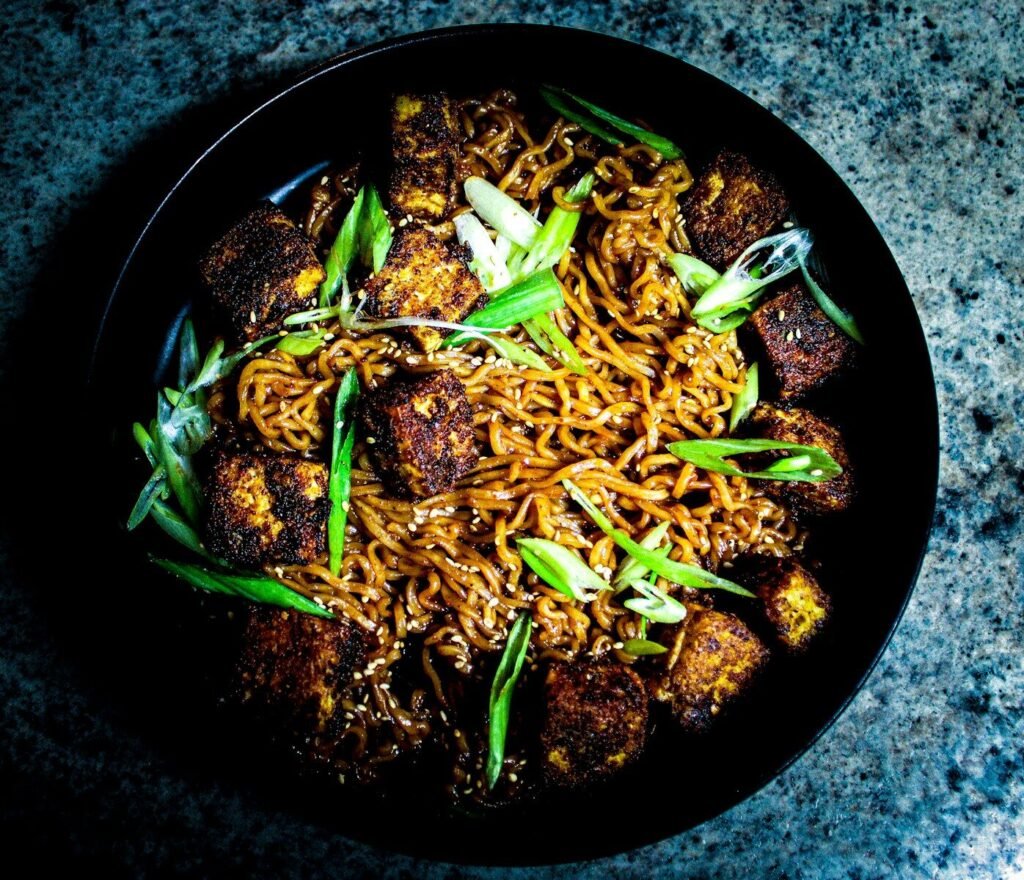
What it’s good for : high energy dogs; winter months; dogs that need higher calorie intake
Sweet potatoes have a slow digestible carbohydrate that will keep your dog’s blood sugar levels from spiking. Beta carotene is an antioxidant that helps protect against oxidative stress and inflammation. The iron content will help support healthy red blood cells.
Ingredients (makes approximately 10 cups):
- 2 lbs lean ground beef (90/10)
- 1 large sweet potato, peeled and diced
- 1.5 cups brown rice (dry)
- 1 cup green beans, chopped
- 1/2 cup carrots, diced
- 2 tablespoons olive oil
- 1/2 teaspoon eggshell powder
- 3 cups low-sodium chicken or beef broth (no onion, no garlic)
How to make this recipe:
- Prepare rice with broth instead of water for extra flavor & nutrients
- Brown ground Beef in stockpot remove excess fat
- Add sweet potato, carrots, green beans to stockpot add 1 cup water steam Cook until vegetables are soft approximately 10 minutes
- Combine with cooked rice stir in olive oil
- Allow to cool completely before mixing eggshell powder
- Divide into portions store.
Note: Beef liver can replace up to 10 percent of the ground Beef once per week for a big boost of iron, zinc, and vitamin a. Don’t go over this – liver is high in vitamin a and too much will be toxic long term.
Recipe 3: Salmon and Quinoa Bowl (Grain-Sensitive Dogs)
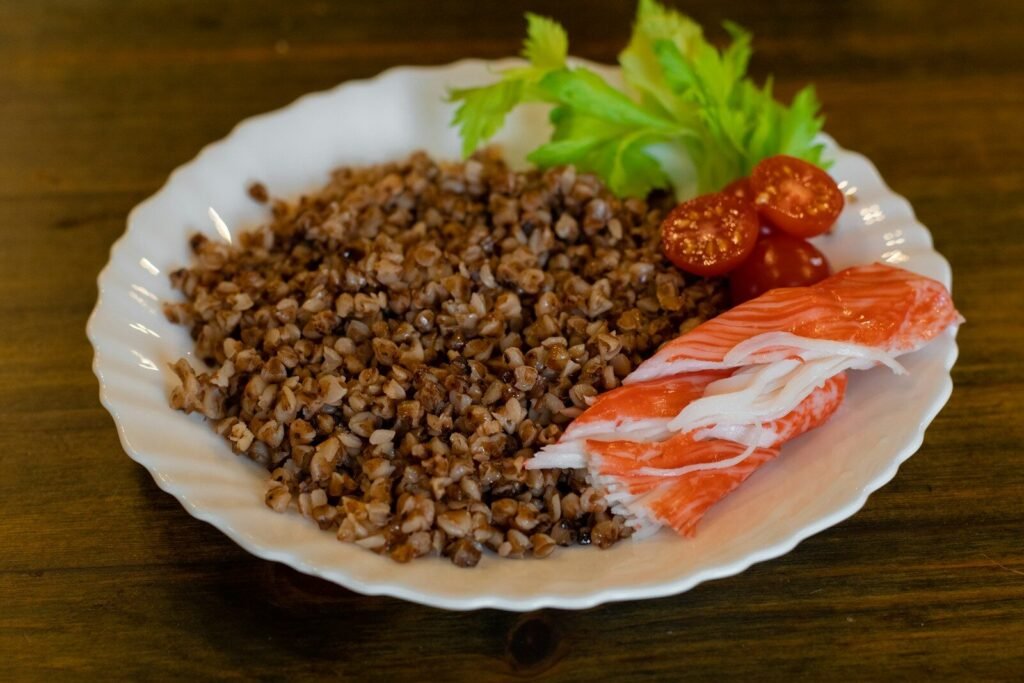
Best for: Dogs with grain sensitivities, skin issues, dull coats, inflammatory conditions
Salmon is an excellent addition to your pet’s food; the omega-3 fatty acids have been shown to be anti-inflammatory as well as improve coat and skin quality in dogs in just weeks!
Ingredients (makes approximately 6 cups):
- 1.5 lbs boneless, skinless salmon fillets (cooked never raw, to eliminate parasite risk)
- 1 cup quinoa (dry, cooks to approximately 3 cups)
- 1/2 cup blueberries (antioxidants safe for dogs, great for brain health)
- 1 cup spinach
- 1/2 cup broccoli, finely chopped (small amounts only)
- 1 tablespoon flaxseed oil
- 1/2 teaspoon eggshell powder
How to make this recipe:
To prepare, simply bake salmon in the oven at 375 degrees Fahrenheit for approximately 18 – 20 minutes without any seasonings. Once baked and cooled, remove all the bones from the salmon and then break it up into small flakes. Cook quinoa according to the package instructions and rinse it very well prior to cooking; quinoa contains a natural coating called saponin which can cause irritation to your dog’s stomach. Steam broccoli and spinach lightly (about 2 – 3 minutes) to ensure they are tender, yet still retain some crunch. Combine all of the ingredients together, and then add flaxseed oil and egg shell powder after everything has cooled down.
Note regarding broccoli: Broccoli may be safely consumed by dogs in small amounts (no more than 10% of the total meal); however, if too much broccoli is eaten it may cause gastrointestinal irritation due to its high content of isothiocyanates. Treat broccoli as a minor ingredient when preparing this recipe.
Recipe 4: Chicken and Pumpkin Digestive Support Recipe
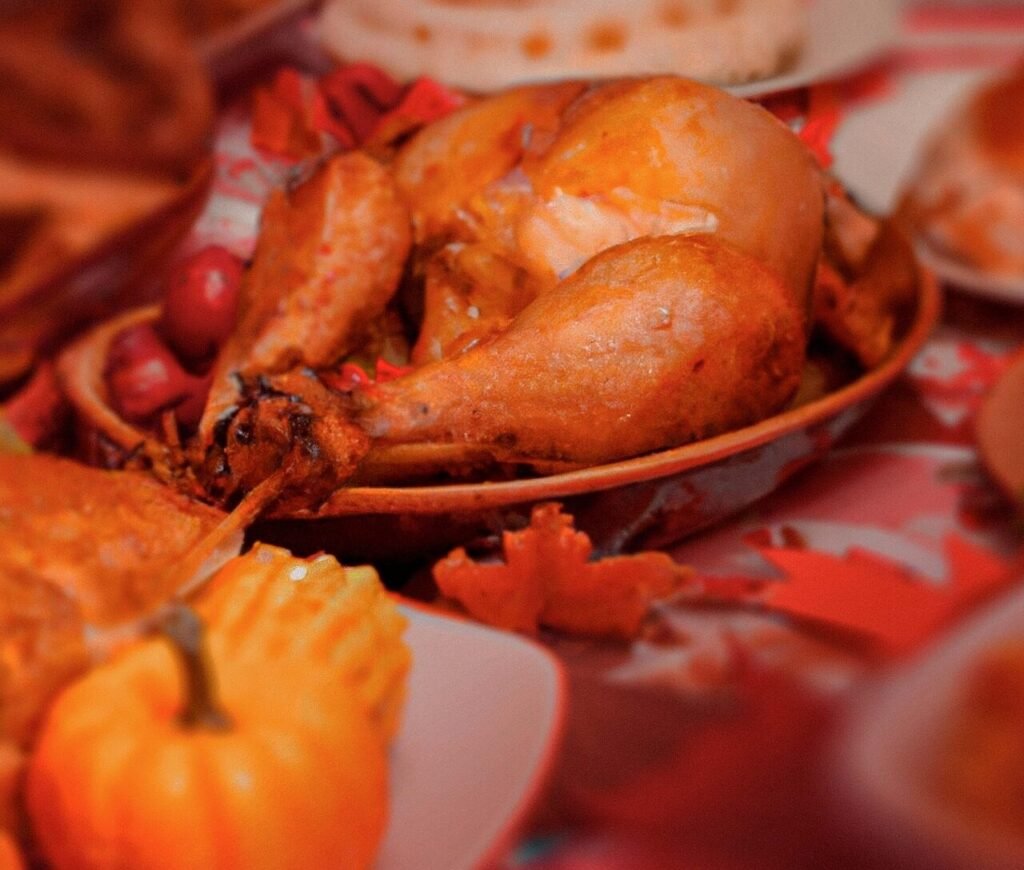
Best For: Sensitive Stomach, Recovering from Illness, Post-Antibiotics
Plain Canned Pumpkin is among the most beneficial food ingredients you can have available to use as an ingredient in your pet’s meals. The soluble fiber in canned pumpkin helps regulate diarrhea, and constipation as well. I developed this recipe with the specific goal of developing a light, supportive meal for the digestive system of those pets who experience problems digesting their food.
Ingredients (makes approximately 7 cups):
- 2 lbs boneless skinless chicken breasts or thighs
- 1 cup white rice (easier to digest than brown for sensitive stomachs)
- 1/2 cup plain canned pumpkin (pure pumpkin, not pie filling)
- 1/2 cup carrots, finely diced
- 1 tablespoon olive oil
- 1/2 teaspoon eggshell powder
- Optional: 1 tablespoon plain full-fat yogurt (probiotic support)
How to make this recipe:
- Poach chicken in plain water until it is fully cooked. Then shred or chop into small pieces after it has cooled down.
- Cook white rice.
- Steam Carrots until they are extremely soft.
- Combine all of these items (Chicken, Rice, Pumpkin, Carrots, Olive Oil) and allow them to completely cool down.
- Once cooled add Eggshell Powder and Optional Yogurt.
This is about the best version of a home-cooked, medical support diet you could possibly come up with. Vets commonly tell owners of sick pets to feed their pet “bland” chicken & rice, however I’ve added pumpkin and carrots to develop a complete nutritionally balanced diet but still keep it a light and easy diet to eat.
Recipe 5: 
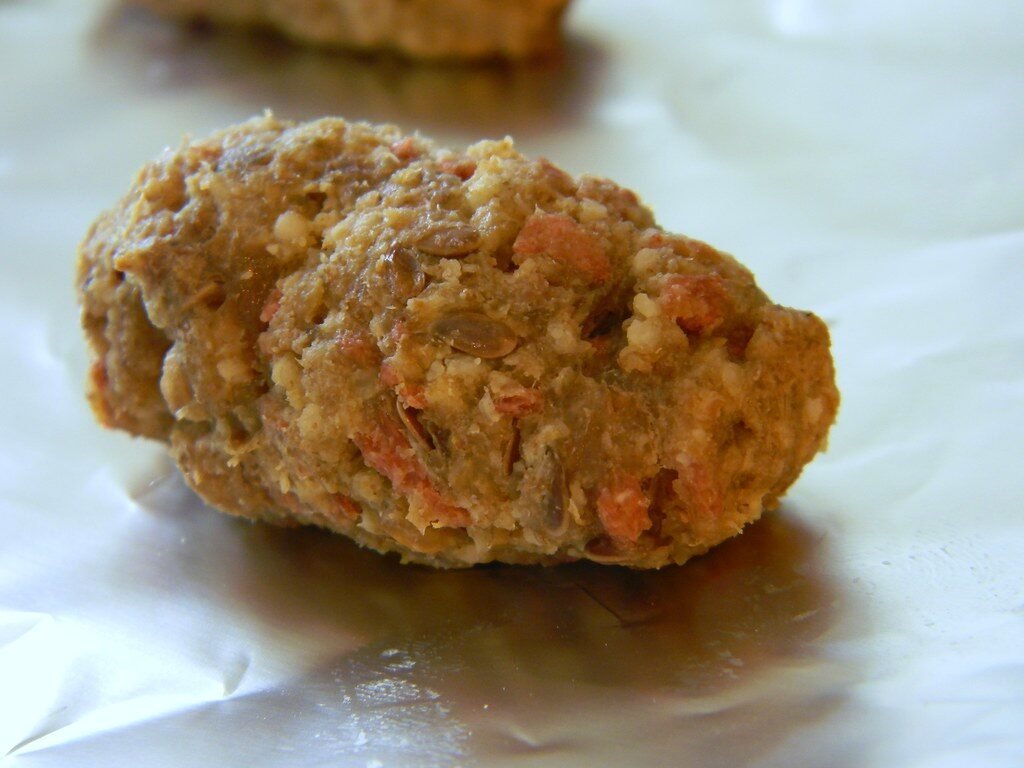
BEST FOR: Dogs over 7 years old, Dogs with dental issues and Dogs that have a reduced appetite
Older dogs are at a different stage in life than younger dogs. Older dogs metabolize food differently; older dogs require additional joint support; older dogs can experience a decline in kidney function which means they will have lower levels of phosphorus; and, as older dogs age, their ability to digest food is less efficient. This recipe addresses each of these differences.
Ingredients (makes approximately 8 cups):
- 1.5 lbs ground turkey or chicken (leaner protein = less strain on kidneys)
- 1 cup white rice (easier to digest, lower phosphorus than brown rice)
- 1/2 cup sweet potato, mashed
- 1/2 cup zucchini, finely diced and steamed until very soft
- 1/4 cup blueberries
- 1 tablespoon fish oil (joint and brain support)
- 1/2 teaspoon eggshell powder
- Optional: A veterinary-recommended joint supplement containing glucosamine and chondroitin
How to make this recipe:
- Cook the turkey or chicken thoroughly. Chop into fine dice or mash slightly to make eating easier.
- Cook the white rice completely so it is tender.
- Boil or bake sweet potatoes. Mash them to make them smooth.
- Combine the cooked meat, rice and sweet potatoes. The mixture should be moist and easy to eat. If the mixture is too dry, add one tablespoon of warmed low-sodium broth to the mixture to help soften it.
- Once the mixture has cooled, add fish oil and eggshell powder.
Dangerous Foods That Can Harm or Kill Your Dog
This area of information is a MUST READ if you are planning on feeding your dog something from the kitchen. I do not consider the “urban legends”. I have personally seen many veterinary cases with these problems.
| Food | Why It’s Dangerous |
|---|---|
| Onions and garlic | It contain thiosulfates that destroys red blood cells, causing hemolytic anemia. All forms are dangerous raw, cooked, powdered. |
| Grapes and raisins | It can cause sudden acute kidney failure. The toxic compound is still unknown, even small quantities can be unpredictable. |
| Xylitol | It is found in sugar-free gum, peanut butter, baked goods. It causes rapid insulin release and liver failure. Check all peanut butter labels. |
| Chocolate | It contains theobromine, which dogs cannot metabolize. Dark chocolate and baking chocolate are particularly dangerous. |
| Avocado | It contains persin, which is toxic to dogs. Avoid the fruit, skin, pit, and leaves. |
| Macadamia nuts | It can cause neurological symptoms, weakness, vomiting, and tremors. |
| Alcohol | Even the small amounts can cause serious CNS depression. Never intentional, but watch for fermenting foods. |
| Raw yeast dough | It expands in the stomach and produces alcohol as it ferments. Dual threat. |
| Cooked bones | Cooked bones can break into pieces and punctures an animal’s internal organs. Raw bones do have some risk, however all cooked bones pose some sort of danger |
| Nutmeg | It contains myristicin, which causes seizures and CNS problems in high amounts. |
| Salt in large amounts | It causes sodium ion poisoning vomiting, diarrhea, seizures. Do not add salt and seasoning to your dog’s food. |
How Much Homemade Food Does Your Dog Actually Need?
Overfeeding is by far the most common mistake that occurs when transitioning to a diet of homemade food for your dog. Homemade food is generally more calorie dense and also easier for your dog to digest than kibble, therefore you will likely be feeding your dog less in terms of volume than what you would have fed on kibble.
The World Small Animal Veterinary Association (WSAVA) provides a commonly used starting point for determining how much to feed your dog. A general rule of thumb is to feed 2-3 % of your dog’s body weight daily, divided equally into 2 meals.
| Dog Weight | Daily Homemade Food (Approximate) |
|---|---|
| 10 lbs (4.5 kg) | 3-4 oz (85-113g) |
| 25 lbs (11 kg) | 7-10 oz (200-280g) |
| 50 lbs (22 kg) | 14-20 oz (400-565g) |
| 75 lbs (34 kg) | 21-30 oz (600-850g) |
Remember these guidelines are basically a starting point. You should monitor your dog’s weight closely and be able to palpate (feel but not see), your dog’s ribs. If you begin to feel your dog’s ribs, you should consider increasing their portion size. Conversely, if your dog appears to be gaining weight, you can decrease their portion size.
Puppies, pregnant females and highly active dogs require significantly greater amounts of calories. Seniors may require slightly fewer calories but adequate protein intake is essential to support muscle mass as well as overall health.
Transitioning From Kibble to Homemade Food
Do not make a complete transition to a homemade diet all at once. Changing your dog’s diet abruptly usually results in some form of gastrointestinal distress, such as diarrhea, flatulence, and/or vomiting. This is not an allergy reaction, but rather your dog’s gut microbiome adapting to a new diet.
To avoid this transition discomfort, follow this gradual transition plan:
- Days 1-3: 75% kibble, 25% homemade food
- Days 4-6: 50% kibble, 50% homemade food
- Days 7-9: 25% kibble, 75% homemade food
- Day 10 onward: 100% homemade food
Diarrhea can be controlled by adding small amounts of plain canned pumpkin (1-2 teaspoons) to help firm up loose stools. Consult with your veterinarian if diarrhea continues for longer than 2-3 days.
Batch Cooking and Storage: Making This Sustainably Feasible
The primary reason why many people fail to continue making homemade dog food is because it requires too much effort. The answer to this problem is batch cooking and creating a large amount of food at one time or every couple of weeks instead of each day.
Storage in Refrigerator: Prepared dog food can be stored in an air-tight container in the refrigerator for up to four days.
Storage in Freezer: Divide cooked food into individual daily serving sizes. Freeze flat portions using zip-lock bags or silicone molds, and store frozen food for up to three months. Remove portions from the freezer on Saturday night and allow them to thaw in the refrigerator overnight.
A Sunday batch cook of any of the recipes mentioned will take you about forty-five minutes to complete and provides enough homemade dog food for a medium-sized dog for an entire week. This takes less time than what most people spend browsing over pet food reviews looking for a kibble they believe to be safe.
Should You Add a Supplement?
For most dogs eating a varied homemade diet using the recipes and guidelines above, a basic supplement covers the nutritional gaps that home cooking inevitably leaves.
Our recommended approach:
- Fish oil daily, dosed by weight (roughly 20mg EPA/DHA per pound of body weight)
- Crushed eggshell powder daily, as your calcium source (or a calcium carbonate supplement)
- A dog-specific multivitamin 3-4 times per week as an insurance policy
If you are feeding a single-recipe diet without rotating proteins and vegetables, supplementation becomes more important, not optional. The more variety you build into your dog’s meals, the less you depend on supplements to fill nutritional gaps.
Signs That Homemade Food Is Working
Within 4-8 weeks of transitioning to a well-balanced homemade diet, most dog owners notice measurable improvements:
- Shinier, softer coat
- Reduced shedding
- Firmer, smaller stools (a sign of better nutrient absorption)
- Improved energy and alertness
- Reduced gas and bloating
- Better breath
- Healthier body weight
These changes are not anecdotal. They reflect what happens when a dog’s body gets bioavailable nutrition from whole food ingredients instead of heavily processed commercial feed.
A Note on Homemade Feeding
Homemade dog food is not the right choice for every owner or every dog. It requires time, attention to nutritional balance, and a willingness to invest in quality ingredients. Done sloppily single-ingredient meals, no calcium source, no variety it is worse than commercial food.
But done properly, using recipes built on veterinary nutritional science, with variety, correct portioning, and appropriate supplementation, homemade dog food is one of the most powerful tools you have to support your dog’s long-term health.
Your dog has one diet. It is worth getting right.
Start with Recipe 1 or Recipe 4. Run the transition schedule. Watch your dog. Adjust as needed. And if you have any specific health concerns, take this article to your vet and discuss it together. That conversation is the most valuable thing you can do for your dog’s nutrition.
Sources and Nutritional References:
- WSAVA Global Nutrition Guidelines for Dogs and Cats
- AAFCO Dog Food Nutrient Profiles
- Merck Veterinary Manual Nutritional Requirements of Dogs
- Veterinary Partner (VIN) Homemade Diets for Dogs
Veterinary Disclaimer: This article is for educational purposes only and does not replace professional veterinary advice. If your dog has eaten something potentially harmful, contact your veterinarian or the ASPCA Animal Poison Control Center at (888) 426-4435 immediately.
About the Author
Faizan is the founder and writer behind Complete Dog Guide, a blog dedicated to helping dog owners with practical, well-researched information on dog food, care, grooming, and training. With 5 years of experience in content writing and blogging, he spends hours digging through veterinary publications, official guidelines from organizations like the ASPCA, AKC, AAFCO, and the Merck Veterinary Manual to make sure every article is backed by reliable sources.
Complete Dog Guide does not provide veterinary advice. Every health-related article on this site is researched using published veterinary data and clearly cites its sources. If your dog has eaten something harmful, always contact your veterinarian first.