
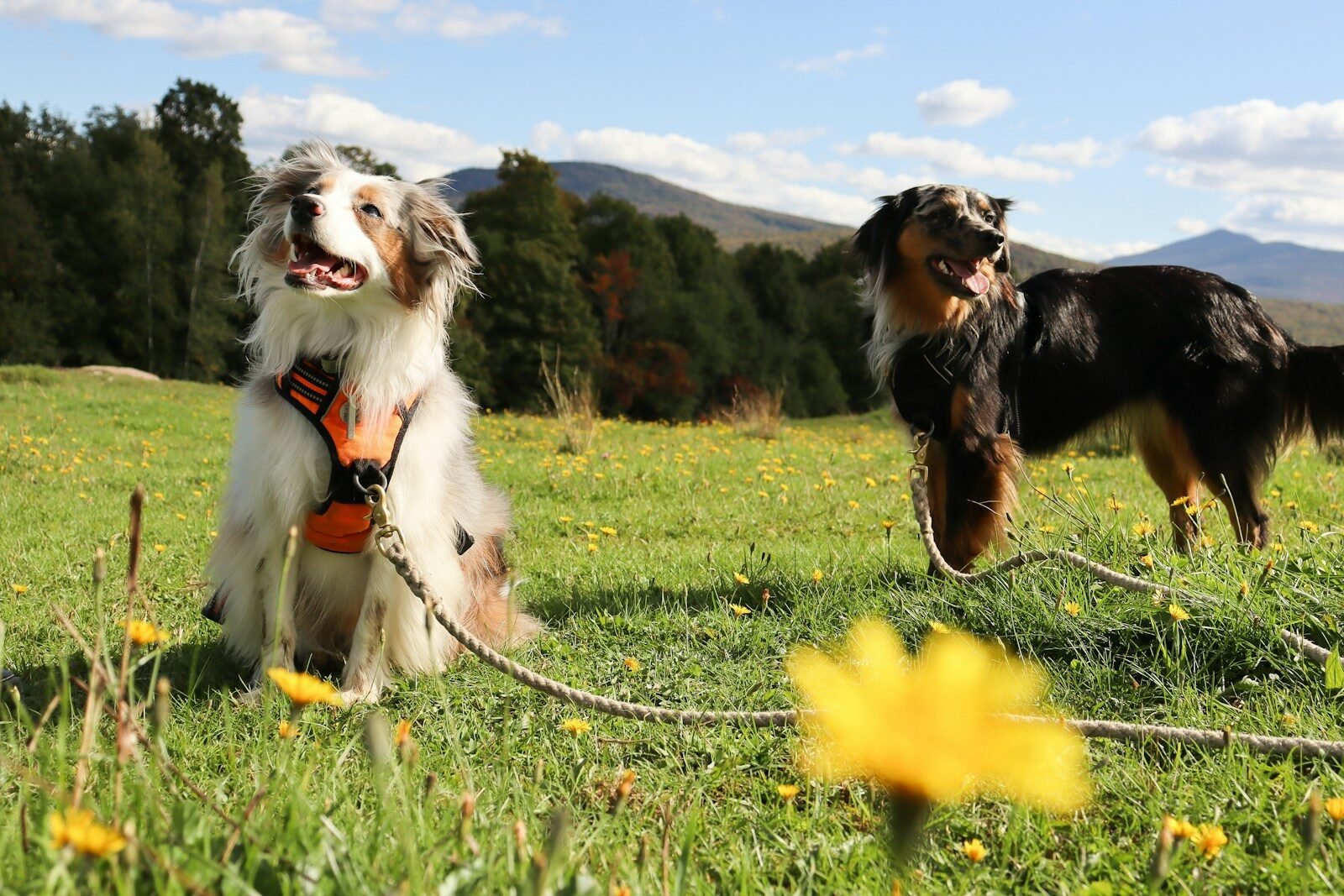
Many U.S. dog owners are familiar with the experience of waking up each Spring to discover that their home has turned into a mini-snow globe – but rather than snowflakes,
Grooming needs change a lot by breed, coat type, and age, so this section is organized to help you find advice that actually applies to your dog rather than generic tips. Recommendations are checked against AKC breed standards and general veterinary skin-and-coat guidance. Expect practical answers here: how often, what tools, what to watch for, and when a grooming issue is actually a health issue worth a vet visit.
Many U.S. dog owners are familiar with the experience of waking up each Spring to discover that their home has turned into a mini-snow globe – but rather than snowflakes,
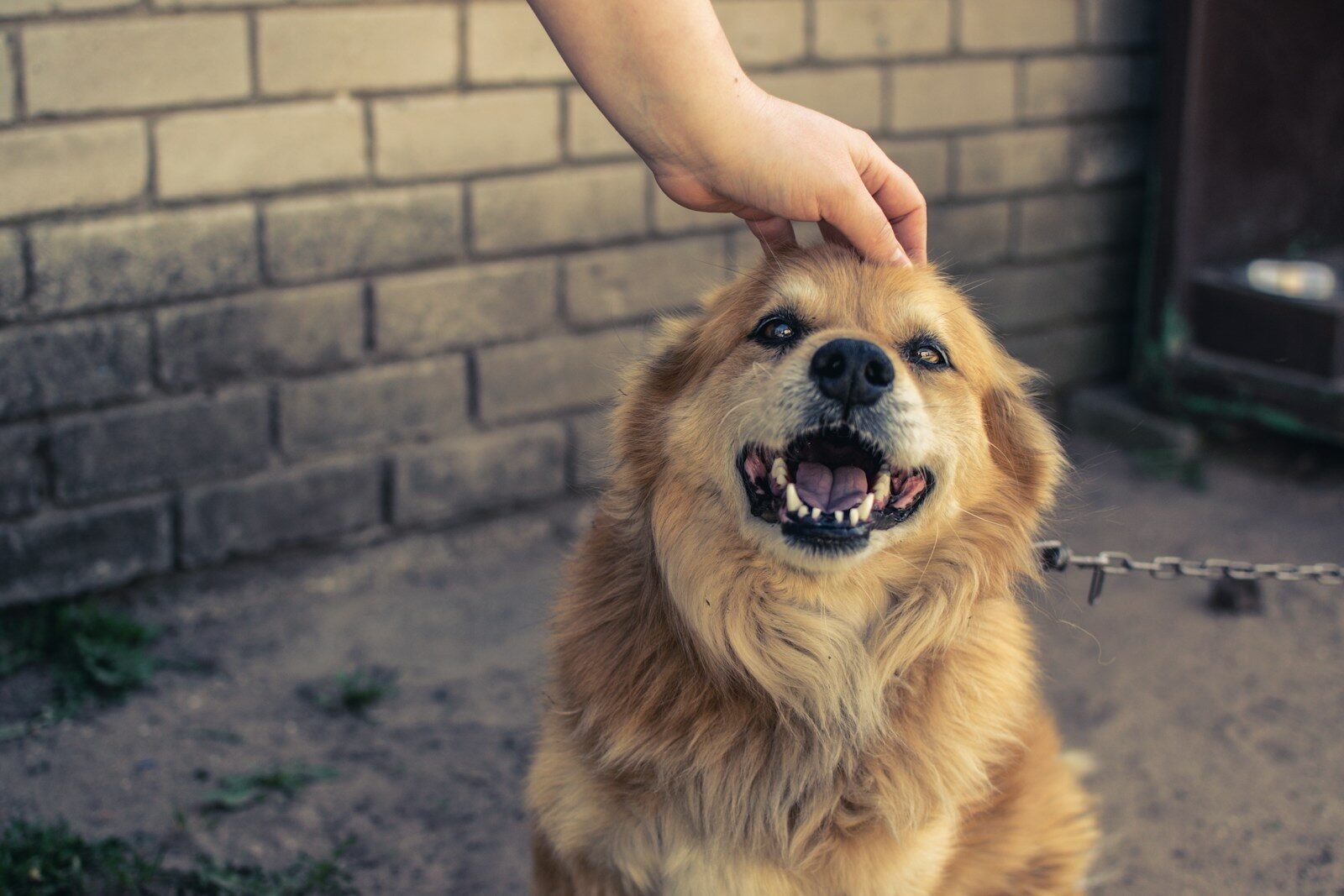
You’ve likely heard about “hand-stripping” (even though you may not be sure what that means), especially if you have a Terrier, a Schnauzer, or a Cocker Spaniel. Most of what

Many Dog owners assume grooming is just about looks, but it’s actually a vital tool for identifying and preventing painful health issues. Regular grooming also strengthens the bond between you