
Now Reading: Can Dogs Eat Quail Eggs? Safe Portions, Risks & Feeding Tips
- 01
Can Dogs Eat Quail Eggs? Safe Portions, Risks & Feeding Tips


Last week a reader sent me a photo of her Beagle staring longingly at a carton of quail eggs on the counter. She asked if she was crazy to consider cracking one into his bowl. I told her she was actually ahead of the curve.
Quail eggs have quietly become popular in raw feeding circles and with breeders who swear by them for coat quality and recovery from illness. But the advice floating around online is all over the place. Some blogs say feed them every day. Others warn about salmonella and biotin deficiency like you are poisoning your dog.
The truth sits somewhere in the middle, and it depends on three things: your dog’s size, how you prepare them, and how often you serve them. Let’s get into it.
The Short Answer
Yes, dogs can eat quail eggs safely. Most vets treat them as a nutrient-dense occasional treat when you cook them plain and serve them in sensible portions. They work best as a weekly addition, not a daily staple.
That said, raw feeding changes the conversation, puppies need different portions, and some dogs react poorly to any kind of egg. I will walk you through all of it.
Why Quail Eggs Are Actually Good for Dogs
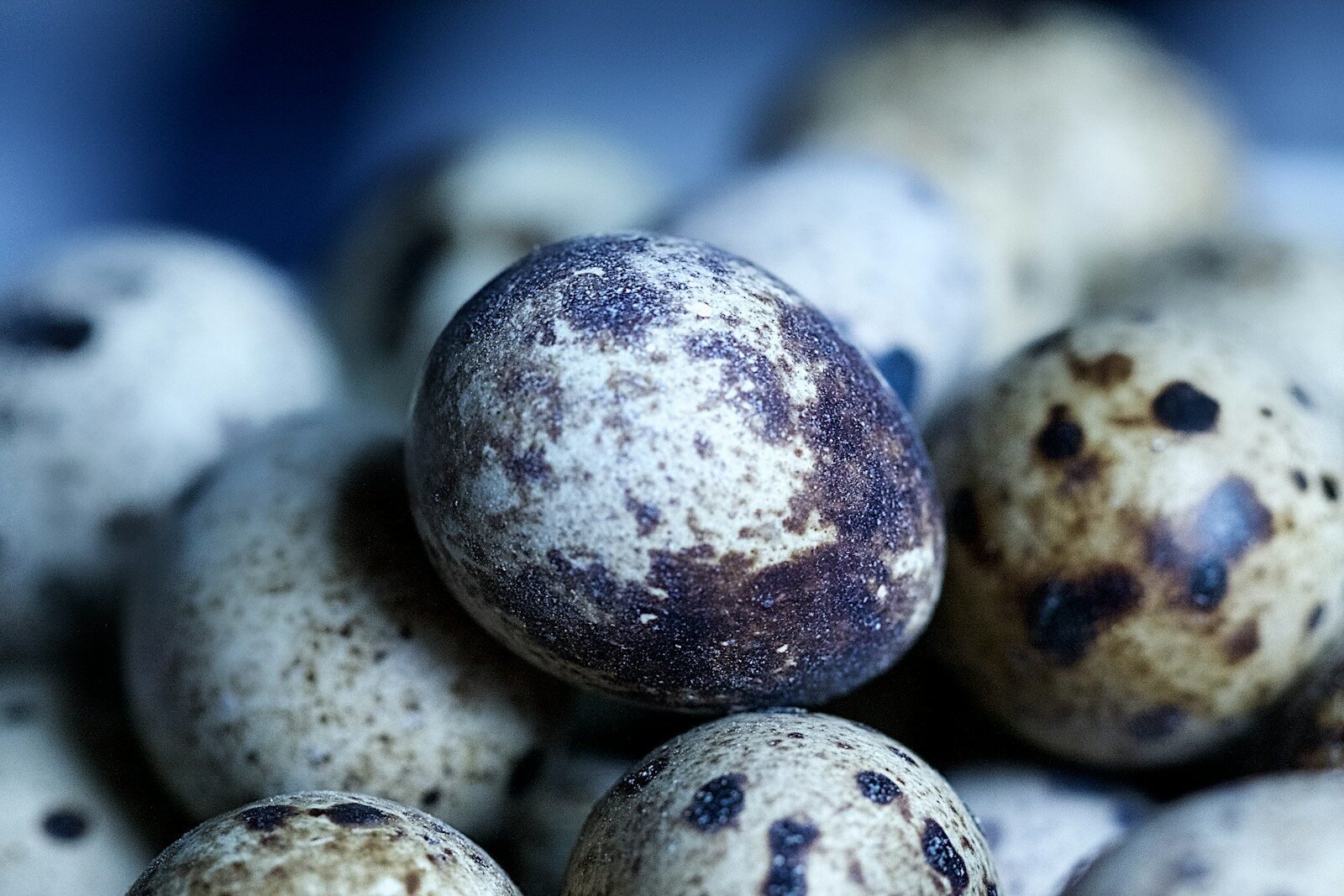
Quail eggs punch above their weight. A single egg weighs only about 9 grams, but gram for gram it carries more iron, B vitamins, and selenium than a chicken egg. That is why breeders and raw feeders love them for senior dogs recovering from illness or working breeds that burn calories fast.
Here is what one quail egg brings to the bowl:
| Nutrient | Benefit for Dogs |
|---|---|
| Protein | Supports muscle growth and tissue repair |
| Healthy Fats | Provides steady energy and keeps the coat shiny |
| Biotin | Helps skin, coat, and metabolism |
| Vitamins A, B12, D | Boost immunity and nerve function |
| Iron and Selenium | Build red blood cells and fight oxidative stress |
For active breeds like Labradors, German Shepherds, and working dogs, that concentrated nutrition is genuinely useful. For a sedentary Pug who already eats a complete kibble, it is more of a bonus than a need.
Raw vs Cooked: The Honest Take
This is where dog owners get the most confused, so let me break it down clearly.
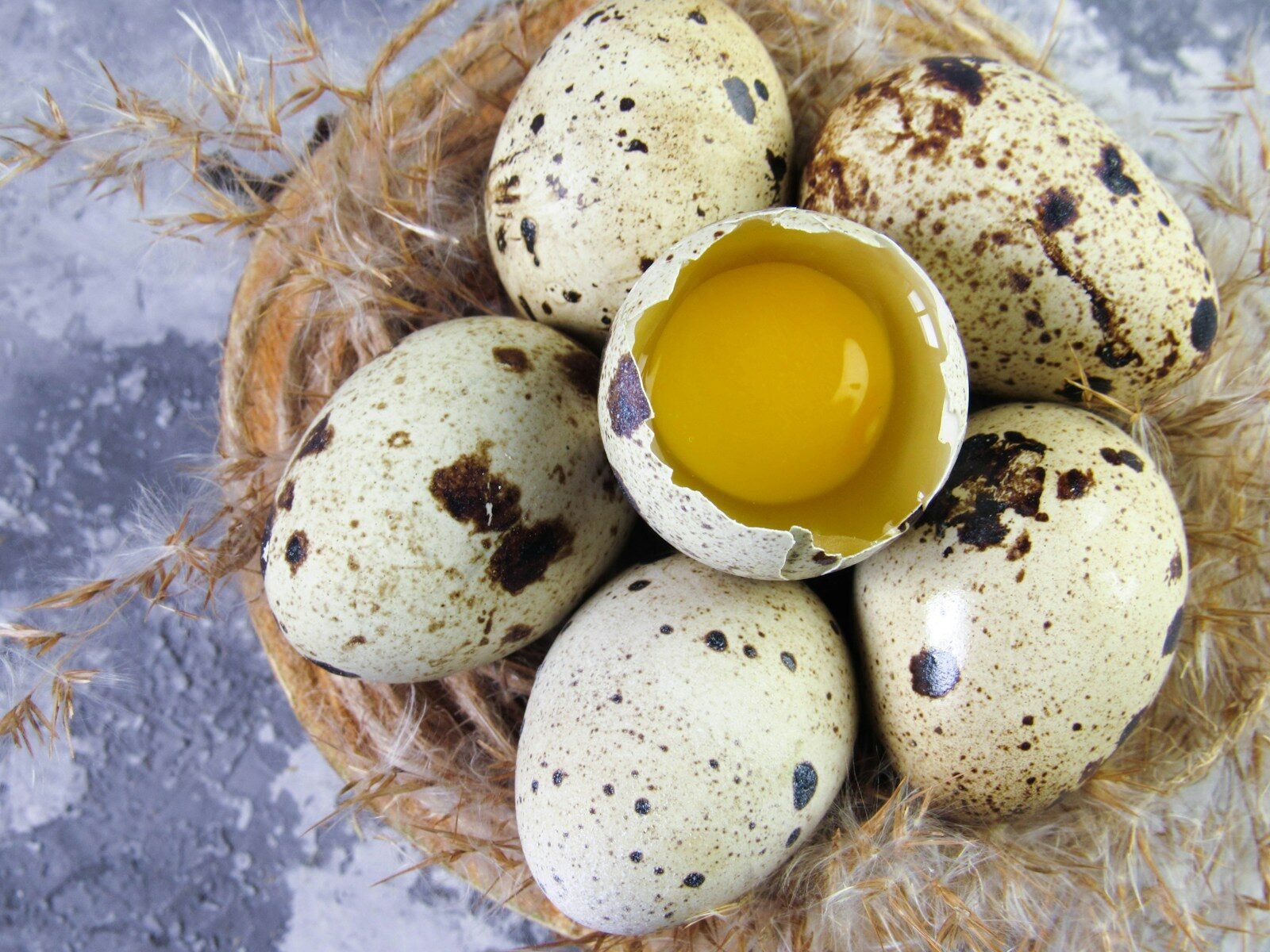
Raw quail eggs come with two concerns. The whites contain avid in, a protein that binds with biotin and can reduce absorption over time. One raw egg here and there will not cause a deficiency, but daily raw feeding for months can trigger skin and coat issues in sensitive dogs. There is also a small salmonella risk, though quail eggs tend to have lower contamination rates than chicken eggs because quails run a higher body temperature.
Cooked quail eggs solve both problems. A quick boil for 4 to 5 minutes or a plain scramble in a dry pan destroys bacteria and deactivates the avid in. You keep most of the protein and vitamins intact.
If you already follow a raw feeding routine and your dog thrives on it, raw quail eggs in moderation are fine. For most pet owners, cooked is the safer default.
How to Serve Them Without Messing It Up
I get asked this a lot in DMs, so here is the exact process I recommend:
- Pick fresh eggs from a local farm or speciality grocer. Check each shell for cracks before buying.
- Boil for 4 to 5 minutes, or scramble in a dry non-stick pan. No butter, no salt, no oil.
- Let the eggs cool fully before serving. Hot food can burn your dog’s mouth and upset the stomach.
- Start with a small amount. Give one egg, wait 24 hours, and watch for vomiting, diarrhea, or itching.
- If everything looks normal, work up to your dog’s regular portion over the next week.
The shells are safe too, and they add calcium to the meal. Crush them finely before mixing into food, and skip them for small dogs where sharp fragments could cause choking.
Portion Guide by Dog Size
This is the question most owners care about, and most blogs give wishy-washy answers. Here are the portions vets commonly recommend for healthy adult dogs:
| Dog Size | Safe Portion | How Often |
|---|---|---|
| Small (under 15 lbs) | 1 quail egg | 2 to 3 times a week |
| Medium (15 to 50 lbs) | 2 to 3 quail eggs | 2 to 3 times a week |
| Large (over 50 lbs) | 4 to 5 quail eggs | 2 to 3 times a week |
Puppies under six months should start with half a quail egg once a week. Their digestive systems are still developing, and too much fat or protein can trigger loose stools.
Senior dogs can eat quail eggs too, but keep portions on the smaller side. Older kidneys and slower metabolisms handle less protein than a young adult dog.
Quail Eggs vs Chicken Eggs vs Duck Eggs
If you are trying to decide which egg to feed, here is how they compare:
Quail eggs carry the highest nutrient density per gram. They cost more (roughly $5 to $15 per dozen in the US), but you need fewer of them to deliver the same nutrition.
Chicken eggs are the budget-friendly option at $2 to $6 per dozen. They still offer solid protein and vitamins, just in a less concentrated form.
Duck eggs are richer and fattier. Some dogs love them, others struggle to digest them. Expect to pay $6 to $12 per dozen.
For most dogs, chicken eggs do the job at a fair price. Quail eggs shine when you want targeted nutrition for a recovering dog, a senior, or a picky eater who needs a flavor boost.
When to Avoid Quail Eggs
Not every dog is a good candidate. Skip quail eggs if:
- Your dog has a diagnosed egg allergy. Quail, chicken, and duck eggs share proteins that can trigger reactions.
- Your dog is overweight and on a calorie-restricted plan. Quail eggs are rich, and the fat adds up quickly.
- Your dog has pancreatitis or a history of it. High-fat foods can flare it up.
- Your vet has placed your dog on a prescription or limited-ingredient diet.
Signs of an egg allergy include itchy skin, recurring ear infections, vomiting within a few hours of eating, and soft stools. If any of these show up after quail eggs, stop feeding them and contact your vet.
Where to Buy Quail Eggs
In the US, you can find quail eggs at Whole Foods, Asian grocery stores, farmers markets, and speciality butchers. Online suppliers like Manchester Farms and local farm co-ops ship nationwide. Prices range from $5 to $15 per dozen depending on whether they are organic, pasture-raised, or conventional.
Readers in the UK, Australia, and India should check Asian markets and speciality poultry farms. Fresh and local always beats bulk shipped for nutrition and shelf life.
FAQs About Feeding Quail Eggs to Dogs
Can puppies eat quail eggs?
Yes, but start with half an egg once a week after they reach eight weeks old. Watch for any digestive changes before you increase the amount.
Are raw quail eggs safe for dogs?
Occasional raw feeding is generally fine for healthy adult dogs. Daily raw quail eggs can cause biotin issues and carry a low salmonella risk, so cooked is the safer choice for most households.
Can dogs eat quail egg shells?
Yes. Crush them finely and sprinkle over food. They add calcium and support bone health.
How many quail eggs can a dog eat per day?
It depends on size. Small dogs can have one, medium dogs up to three, and large dogs up to five. Two to three times a week is the sweet spot.
My Take
Quail eggs are a quiet hero in canine nutrition. They are not a miracle cure, and they will not replace a balanced diet. What they do well is add concentrated protein and vitamins to a healthy dog’s routine, especially when you want something clean and natural.
Start with one egg, cook it plain, watch your dog for a day, and build from there. If you can source fresh eggs from a local farm, even better. Your dog is getting something most commercial treats simply cannot match.
Learn about interesting and mouth watering things about Can Dogs eat Banana Pudding?
Disclaimer: This article is for informational purposes only and does not replace professional veterinary advice. Always consult your vet before making changes to your dog’s diet.
About the Author: Faizan is the founder and writer behind Complete Dog Guide, a blog focused on practical, research-backed information for dog owners. With 5 years of content writing experience, he draws on published veterinary sources including the ASPCA, AKC, AAFCO, and the Merck Veterinary Manual to make sure every article is grounded in reliable information.












Pingback: Can Dogs Eat Canned Green Beans Safely? 2026 Guide