Now Reading: 7 Essential Dog Grooming Tips Every Owner Should Know
- 01
7 Essential Dog Grooming Tips Every Owner Should Know

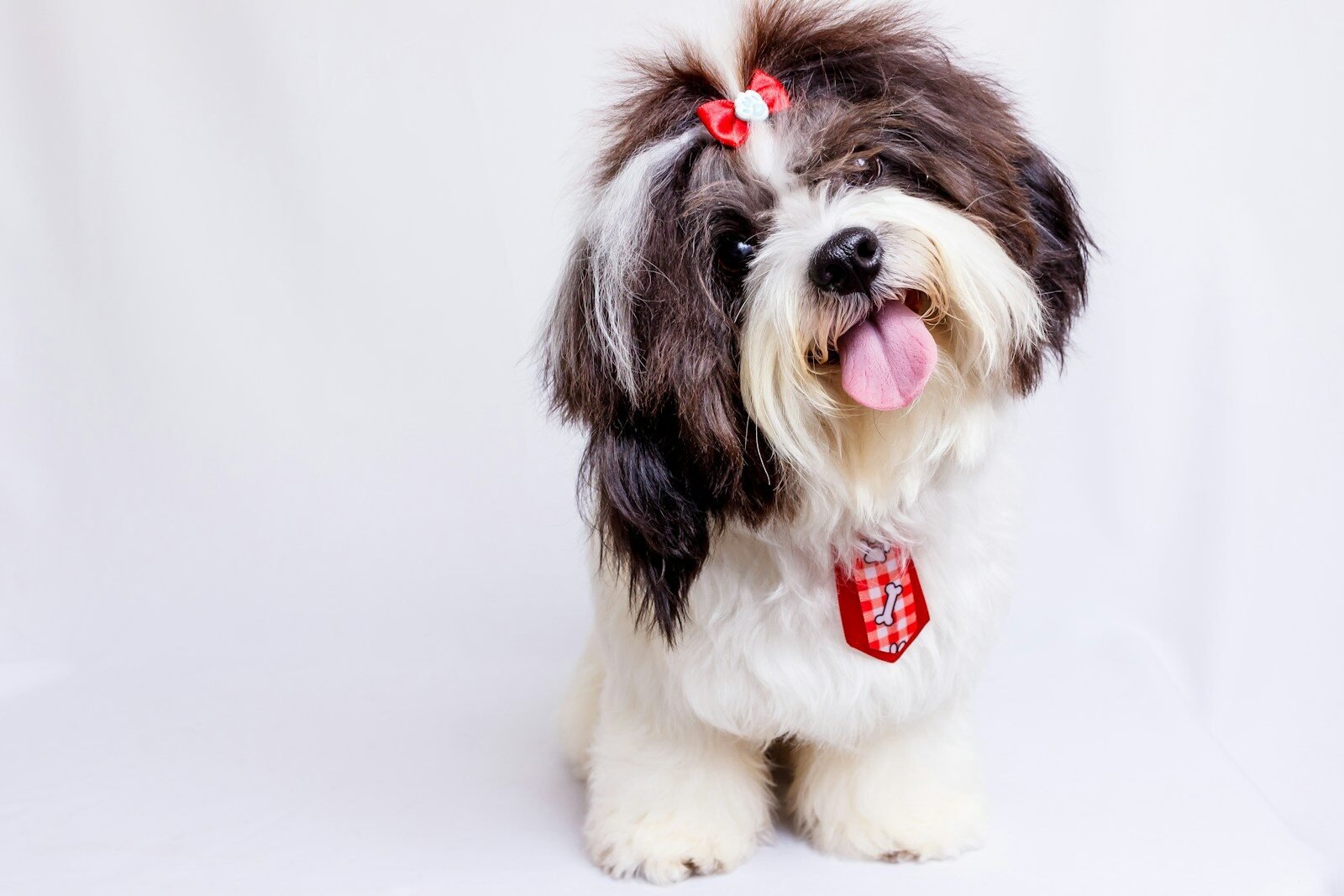
Many Dog owners assume grooming is just about looks, but it’s actually a vital tool for identifying and preventing painful health issues. Regular grooming also strengthens the bond between you and your pet. However, while most owners know how to start, minor grooming errors can unknowingly cause harm to their dogs.”
The following 7 essential dog grooming tips have been created to give you a clear and confident way to groom your dog, no matter if you have a dog with long hair (a fluffy Golden Retriever), or a dog with short hair (a sleek Beagle). You will not need prior professional grooming experience.
Tip #1: Brush First, Then Bathe — Every Time
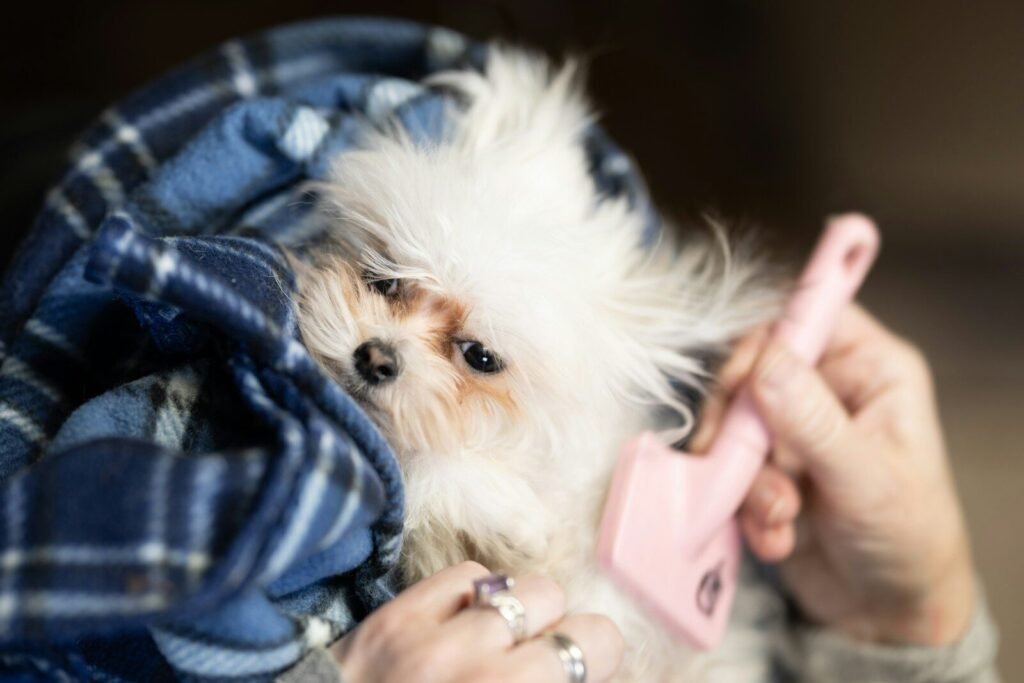
Brushing your dog before bathing is often the least understood of all of the home grooming rules. Matting or tangling your dog’s fur before bathing will tighten the knot when it goes into the water, which makes removal extremely difficult. The tighter the mat, the closer to the dogs skin it will sit and create irritation, potential infection, or serious discomfort.
Regardless of coat type, brush your dog from head to toe before each bath. A Slicker Brush is ideal for use on Medium and Long Coat dogs; a Bristle Brush works well on Short Smooth Coat dogs; and a Deshedding Rake should be used on Double Coated Breeds such as Siberian Husky or Labradors.
According to the Animal Humane Society, brushing also distributes natural oils across the coat, keeping skin moisturized and the coat naturally shiny.
Pro tip: If you hit a mat, hold the fur at the base (near the skin) before brushing through it. This stops the pulling sensation that makes dogs hate being groomed.
Tip 2: Use the Right Shampoo For Dog Grooming
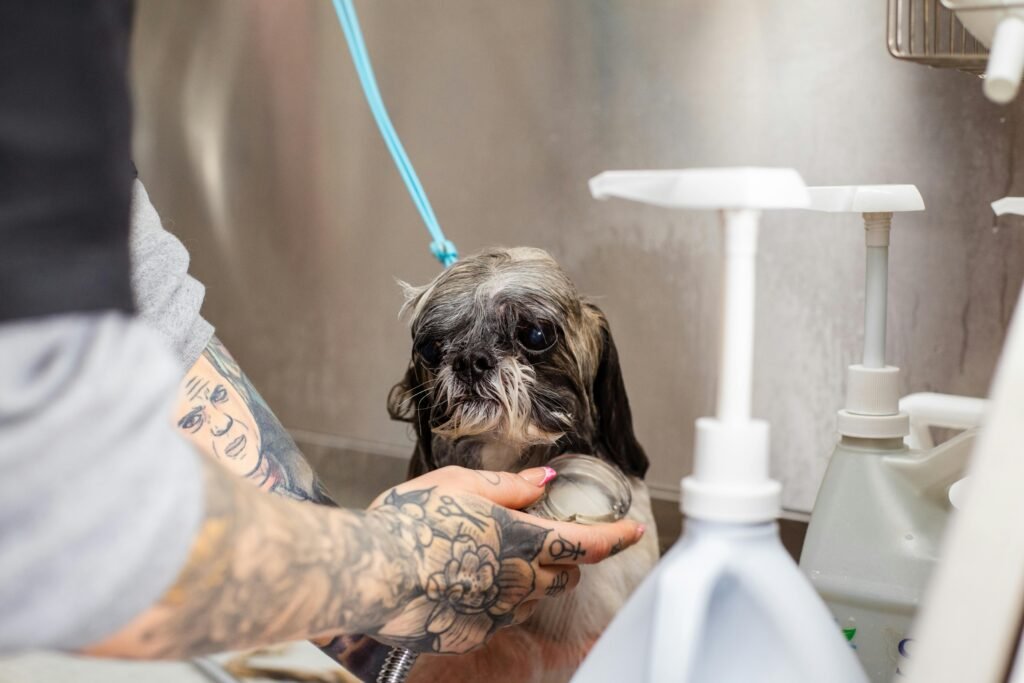
A dog’s skin will have a completely different pH level from your own skin. Many human shampoos (even baby shampoo) strip away your dog’s own natural oils which protect their skin. This stripping can lead to dryness, flaking, and irritation. The American Society for the Prevention of Cruelty to Animals (ASPCA) recommends that you use a shampoo that is specifically made for dogs in all cases.
Consider your dog’s specific needs when selecting a shampoo:
Sensitive skin: Use a hypoallergenic and fragrance-free shampoo
Oily or smelly coat: Consider deodorizing shampoos that contain natural extracts
Skin conditions: Consult your veterinarian before using medicated shampoos
Puppy: Use tear-free, and extremely gentle puppy shampoo
How frequently should you bathe your dog? For most dogs, they are best with a bath every 4 – 8 weeks. Frequent bathing of your dog will remove the natural oils from their skin and can lead to dryness and damage to their coat. Dogs that spend a lot of time outdoors may require more frequent baths, whereas dogs with short coats that live indoors may be able to go longer without a bath.
The last point I want to make is to ensure that you rinse your dog thoroughly after each bath. Shampoo residue is one of the most common causes of itchiness and dull coats. An additional minute of rinsing can help prevent this problem entirely.
Tip # 3: Trimming Nails Are Mandatory
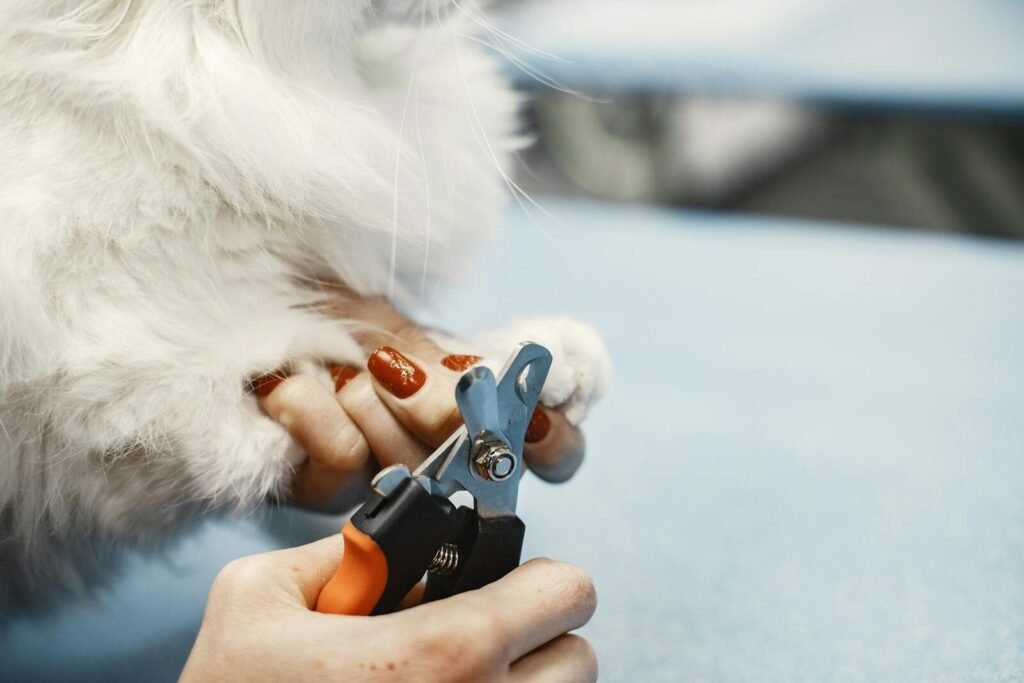
Nail Trimming is NOT optional.
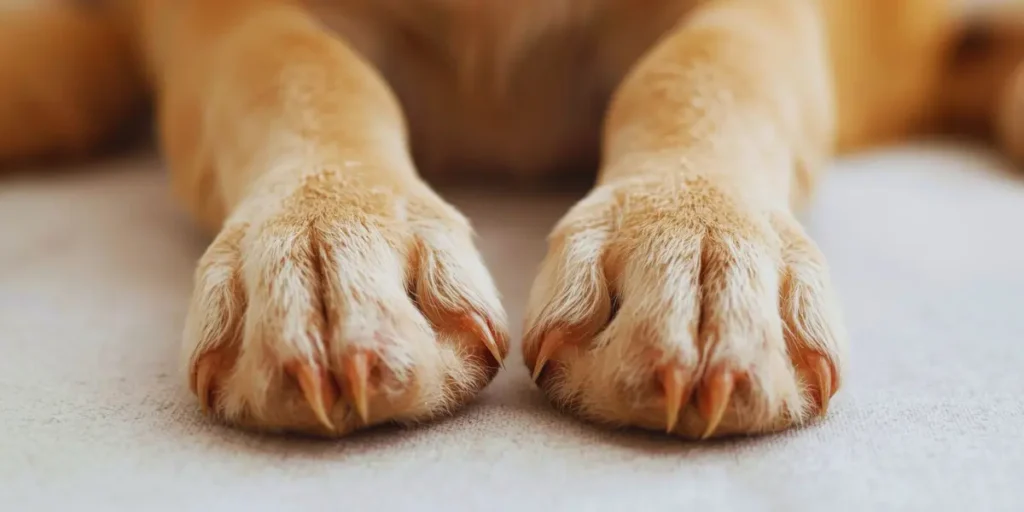
When you start hearing a “click-click” while your dog walks on a hardwood floor, their nails have grown too long. Long nails do not only create discomfort for your dog, but they also change the manner your dog walks and put pressure on the joints which can result in long term damage to your dog’s mobility.
Timming your dog’s nails every 3-4 weeks is a good rule of thumb. Do not confuse the “quick,” the blood vessel inside the nail with the white part of the nail. In clear nails you can easily see the “quick” as a pinkish color. In dark nails it is best to clip the nails a little bit at a time until you see a dark spot at the center of the clipped portion.
Have some styptic powder on hand. If you accidentally cut the “quick,” immediately apply styptic powder to stop the bleeding. Panic is normal; it happens to seasoned groomers as well.
How Long Should My Dog’s Nails Be?A Complete Care Guide
Does your dog hate having his/her nails trimmed? Try spending a week just lightly touching and holding your dog’s paws daily with treats and praise. Your dog will get used to it much faster than you think. According to PetMD, the sooner you begin this process the better, especially if you have a puppy. But it still works great for older dogs.
Tip # 4: Keep Ears Clean Before They Become a Problem
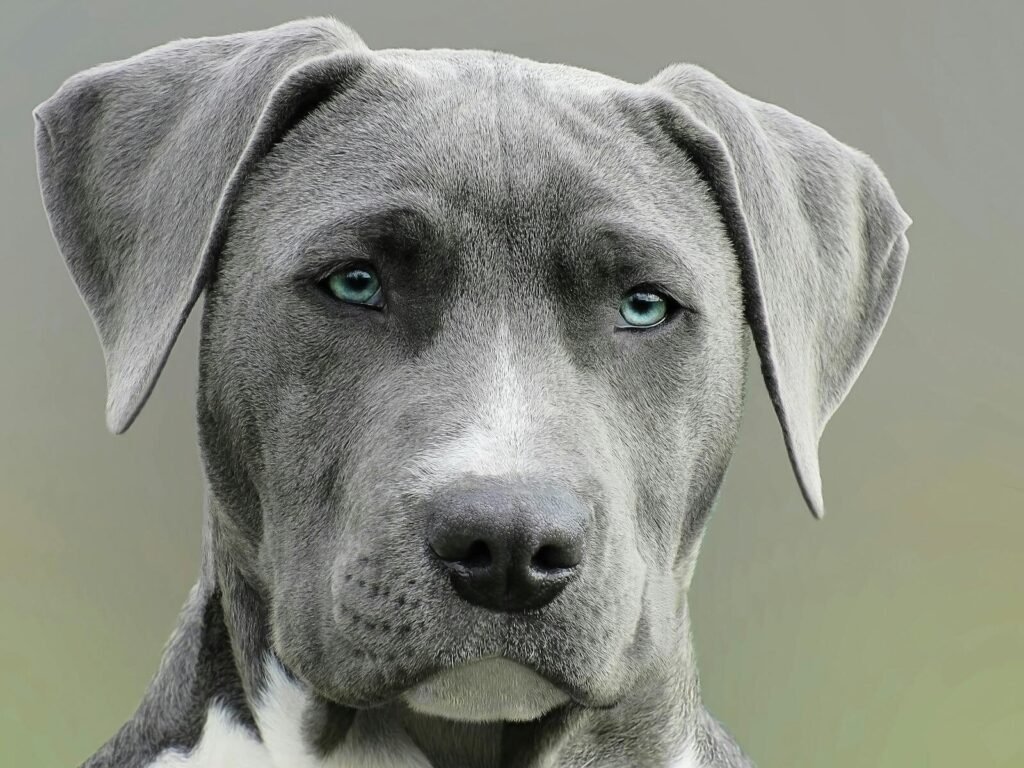
Ear infections are one of the top reasons why dog owners take their pets to the vet and most of them could have been prevented. A dog’s ear canal is warm and often hairy creating a perfect breeding ground for yeast and bacteria to develop if the ear canal isn’t cleaned regularly.
Look carefully for these warning signs:
• Constant head wobbling or angling the head in one direction
• Scratching at the ear area
• Dark discharge or an unusual odor coming from the ear
• Redness or visible swelling inside the ear canal
Clean: Use a vet approved ear cleaning solution. Place a couple of drops of the solution into the ear canal, rub the base of the ear canal gently for 20 seconds, allow your dog to shake its head, then wipe the outside ear canal with a cotton ball. Never insert a cotton swab past the opening of the ear canal, as this can injure your dog.
Important: If your dog shows any of the warning signs mentioned above, please see your veterinarian prior to cleaning the ears. Your dog may already have an infection that needs to be treated, not just cleaned.
Tip # 5: Brush Your Dog’s Teeth – Yes, Really!
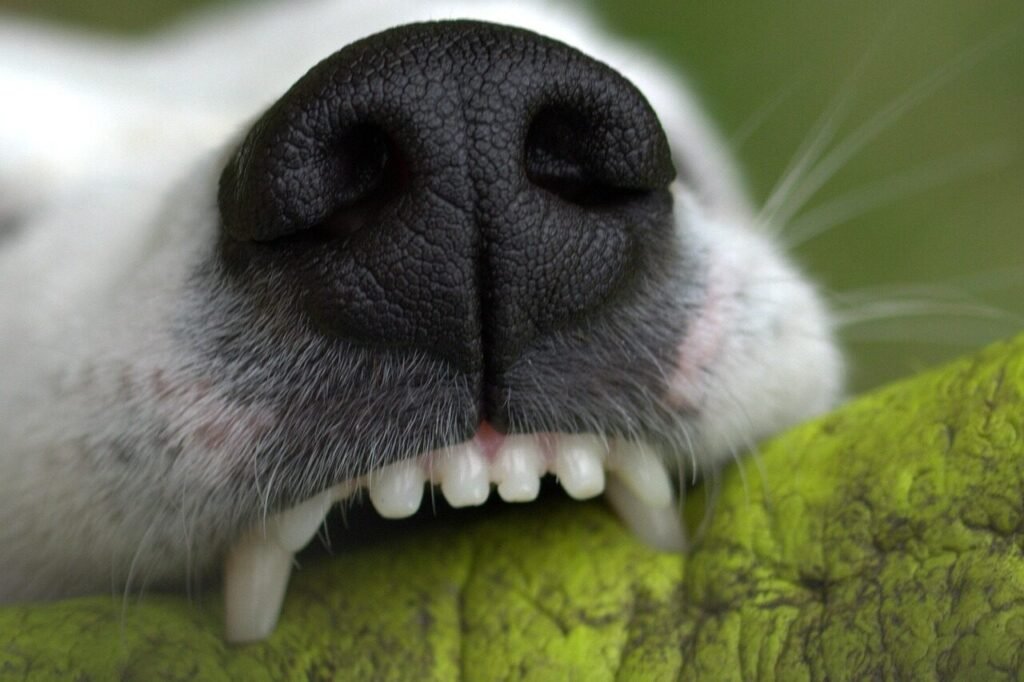
There is a surprising statistic that shocks most dog owners: dental disease exists in approximately 80 percent of dogs by age three. Poor dental care is not just bad breath for your dog, but it is also connected to diseases such as heart, kidney, and liver disease in dogs.
Use a toothbrush specifically designed for dogs and an enzymatic toothpaste made for dogs. Do not use human toothpaste on your dog as it contains xylitol and fluoride which are poisonous to dogs. Brush your dog’s teeth 3-4 times a week, focusing on the outer surfaces of the teeth, where plaque develops the fastest.
Having trouble getting started with brushing your dog’s teeth? Begin with a finger brush or wrap gauze around your finger and gently make circular motions. Any amount of brushing is better than none. Dental chews are helpful, but they cannot replace brushing your dog’s teeth.
Tip # 6: How You Start Grooming Your Dog’s Behavior for Life

Grooming does not matter how old your dog is – the feeling your dog has toward grooming is based solely on their early experiences. A young dog that learns that grooming is safe and rewarding will remain calm through their entire life. A young dog that had a negative experience with grooming will resist all future attempts at grooming.
Keep grooming sessions short 5-10 minutes initially. End each grooming session on a positive note prior to your dog becomes restless or anxious. Reward your dog with high-value treats and handle your dog calmly and confidently. The AVSAB states that lessening the stress related to grooming will improve long-term cooperation and overall health outcomes in your dog.
Daily habits that help your dog become comfortable with grooming activities:
• Daily touch and hold your dog’s paws, ears, and mouth from day one with treats and praise.
• Allow your dog to sniff the grooming tools before you actually use them.
• Associate each grooming activity with a treat – brush stroke, treat, brush stroke, treat.
First professional grooming? Book a session between 12-16 weeks of age, after your puppy has completed their vaccinations. Visit the salon once beforehand simply so your puppy can sniff and associate the new location with positive experiences – no actual grooming occurs.
Tip # 7: When To Hire A Professional For Dog Grooming
While at home grooming is beneficial, there are many situations where a professional groomer is the better choice. Attempting to perform certain tasks yourself can be stressful to your dog and/or cause injury, therefore hiring a professional groomer is a smarter decision. They are professionals in this field and they know how to groom dogs.
The Final Word
Grooming is not something that is optional – it is part of caring for your dog. Not only will your dog be cleaner because of regular grooming but it will also be healthier and more comfortable being handled. The sooner you establish a regular grooming routine with your dog, the less stressful it will be for both of you.
Consider starting with just one tip this week and build on that as you move forward. Your dog is not going to require a perfectly groomed dog – it simply wants a patient, consistent owner who cares enough to show up.
Remember: A well-groomed dog is not just a beautiful dog. It is a healthier, happier, and more comfortable companion.
Veterinary Disclaimer: This article is for educational purposes only and does not replace professional veterinary advice. If your dog has eaten something potentially harmful, contact your veterinarian or the ASPCA Animal Poison Control Center at (888) 426-4435 immediately.
About the Author
Faizan is the founder and writer behind Complete Dog Guide, a blog dedicated to helping dog owners with practical, well-researched information on dog food, care, grooming, and training. With 5 years of experience in content writing and blogging, he spends hours digging through veterinary publications, official guidelines from organizations like the ASPCA, AKC, AAFCO, and the Merck Veterinary Manual to make sure every article is backed by reliable sources.
Complete Dog Guide does not provide veterinary advice. Every health-related article on this site is researched using published veterinary data and clearly cites its sources. If your dog has eaten something harmful, always contact your veterinarian first.