
Now Reading: The Real Guide to Dog Care: What Every Dog Owner in US Actually Needs to Know
- 01
The Real Guide to Dog Care: What Every Dog Owner in US Actually Needs to Know


I’ve been writing about dogs for five years now. In that time, I’ve read hundreds of veterinary papers, talked to dozens of owners, and gone down more late-night research rabbit holes than I’d like to admit. And honestly? The same patterns keep showing up.
Most American dog owners love their dogs. That part isn’t the problem. The problem is that a lot of what we believe about dog care comes from outdated advice, pet store marketing, or that one cousin who “raised three Labs and they all turned out fine.”
Meanwhile, APPA’s latest survey puts the number of US dog-owning households at nearly 68 million. That’s a lot of dogs quietly living with preventable issues. Painful nails. Dental disease starts at age three. Anxiety nobody recognises as anxiety.
This guide won’t repeat what you already know. I want to walk you through the stuff that actually moves the needle, including a few things you’ve probably been doing wrong without realising it. (I was doing some of them too.)
Why the Basics Aren’t Actually Enough
Feed, walk, vet visit once a year. That’s the formula most of us were taught. It’s not wrong, but it’s incomplete.
Dogs aren’t just pets in the way a goldfish is a pet. They’ve spent thousands of years evolving alongside humans. They read your face. They pick up on your stress before you’ve said a word. Your dog knows the difference between you grabbing your keys to go to work and grabbing them to go to the park, and reacts accordingly.
Once you start treating your dog like the emotionally complex animal they actually are, your whole approach shifts. You stop just managing them. You start actually caring for them.
1. Nutrition: Where Most Owners Lose the Plot

Here’s the uncomfortable truth: you can do everything else right and still shorten your dog’s life at the food bowl.
The pet food industry in the US is huge and only loosely regulated. The AAFCO sets minimum nutritional standards, but “meets AAFCO standards” is a low bar. It’s like saying a restaurant “meets health code.” Cool, but you wouldn’t necessarily want to eat there every day.
What I actually look for in a dog food:
A food formulated by a board-certified veterinary nutritionist, or one that has passed an actual AAFCO feeding trial (not just a paper analysis). The first ingredient should be a named protein like chicken, beef, salmon, or lamb. Not “meat by-product meal.” Not “animal protein.” If the label reads like a chemistry final, put it back.
Skip foods loaded with artificial preservatives like BHA and BHT, vague filler ingredients, and anything making vague health claims without research to back them up.
The water bowl thing nobody talks about:
Refresh your dog’s water every single day, even if it looks full. Saliva, dust, and bacteria build up faster than you’d think. Dehydration in dogs is a slow-motion problem that contributes to UTIs, kidney issues, and constipation. I rinse my dog’s bowl every morning before refilling. Takes ten seconds.
Match the food to age first, breed second:
A puppy fed adult food long-term can develop skeletal problems. A senior fed puppy food gets fat and stresses out already creaky joints. This sounds basic, but I see owners get this wrong constantly because they want the “premium” bag without checking the life stage.
Looking for homemade options? Read our guide on Homemade Dog Food Recipes That Are Nutritionally Balanced for vet-aligned recipes you can actually make at home.
2. Exercise: The Right Kind, Not Just More of It

“Walk your dog every day” is the most lazy advice in dog care. Sorry. It’s true.
Two fifteen-minute walks for a Border Collie? You’re going to come home to chewed-up shoes and a dog who barks at every leaf. A daily five-mile run for a Basset Hound? You’re heading toward orthopaedic problems. The right exercise depends on breed, age, size, and individual health.
Rough breakdown that actually helps:
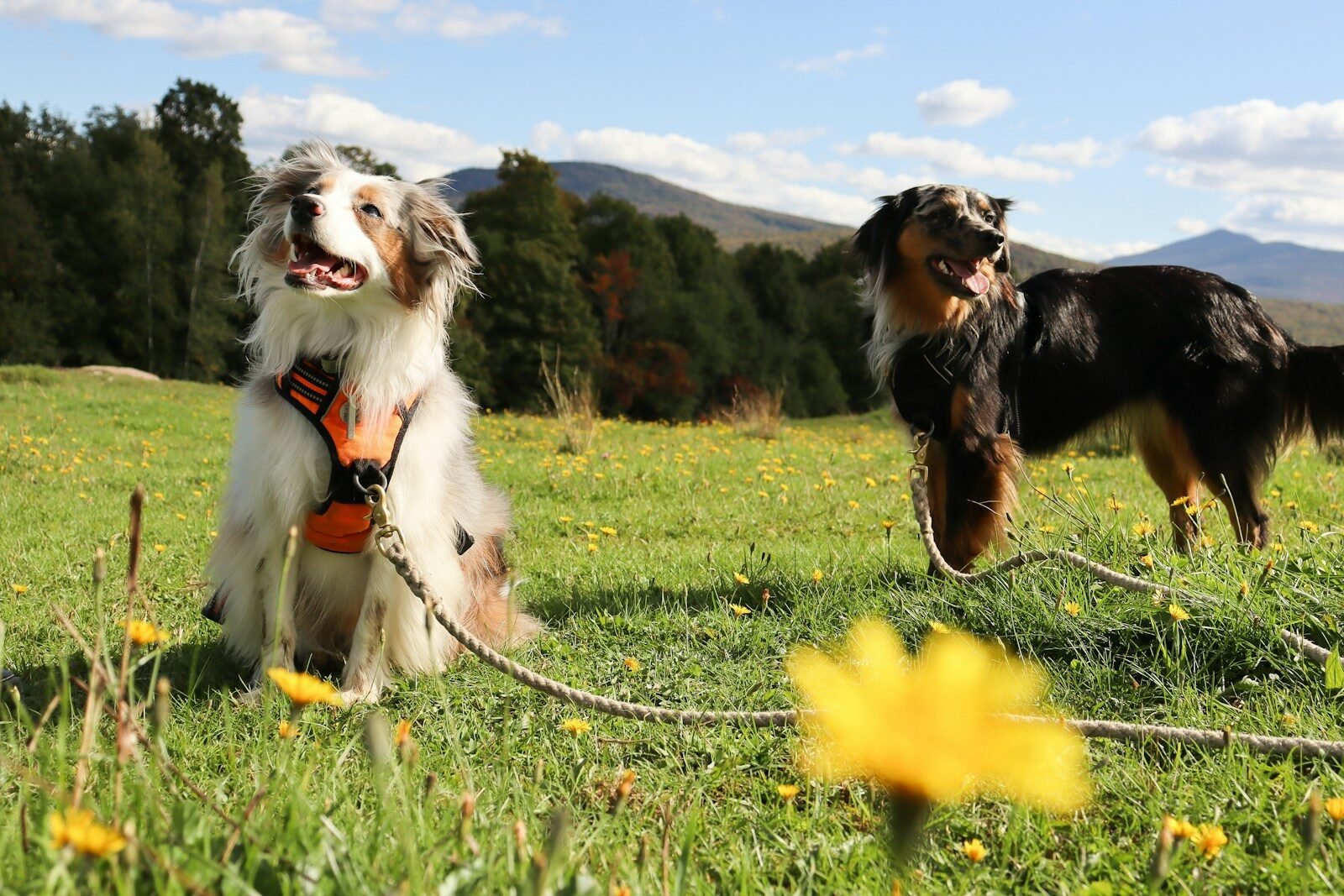
Working and herding breeds (Aussies, Huskies, Belgian Malinois) need an hour of real physical work plus mental challenges. An hour of walking is a starting point, not the goal.
Toy and companion breeds usually do well with thirty to forty-five minutes split into two sessions.
Large and giant breeds need controlled exercise, especially as puppies. Their joints develop slowly. High-impact stuff like jumping off couches or jogging on pavement before they’re fully grown can cause issues that show up years later.
Mental exercise is where most owners drop the ball:
A bored dog with tired legs is still a bored dog. That’s why “I walk him for an hour” doesn’t always solve the chewing, the barking, or the digging.
Research from Dr. Alexandra Horowitz’s Dog Cognition Lab at Barnard College shows dogs experience the world primarily through their nose. So letting your dog stop, sniff, and read the local “newspaper” of smells on a walk isn’t wasting time. It’s enrichment. A thirty-minute sniff walk often tires a dog out more than an hour of brisk pace-setting.
Try it once. You’ll be surprised how hard your dog naps after.
3. Vet Visits: What a Real Annual Exam Should Cover

Most owners take their dog in once a year, get a rabies shot, pay the bill, and leave. That’s not a real exam.
Per the American Animal Hospital Association, an actual annual visit should include:
- Full physical exam (lymph nodes, eyes, ears, skin, teeth)
- Heartworm test (you need it to renew prevention)
- Fecal test for intestinal parasites
- Vaccine review based on your dog’s actual lifestyle
- Weight and body condition score
- A real conversation about behaviour changes you’ve noticed
If your vet skips half of this, ask why. You’re paying for the visit. Get the visit.
Senior dogs need twice-yearly visits.
For most dogs, “senior” starts around seven. For large breeds, it can be five or six. Six months in a dog’s life is a lot of time. Tumors, kidney issues, and cognitive decline can develop fast.
Core vs. non-core vaccines:
Rabies, Distemper, Parvo, and Adenovirus are core. Every dog gets these. Bordetella, Lepto, and Lyme depend on lifestyle. Dog parks, boarding, hiking trails? You probably need some non-core vaccines. Indoor lap dog who never sees grass? Talk it through with your vet instead of just saying yes to everything.
Spay/neuter timing has changed.
The old “fix them at six months” advice is outdated for many breeds. Newer research suggests that for large and giant breeds, early spay/neuter can affect bone growth and increase the risk of certain cancers. Don’t just default to the puppy package. Have an actual conversation about timing for your specific dog.
4. Grooming: A Health Check in Disguise
Grooming isn’t about looking cute. It’s about catching problems early.
Long nails are a real health issue:
This one shocks people. Nails that click on the floor are too long. Every step pushes pressure up into the toe joints, which over years contributes to arthritis in the hips and lower back. Most dogs need a trim every three to four weeks. If your dog hates nail trims (most do), break it into one paw at a time across multiple days. It’s fine.
Weekly ear checks save you hundreds in vet bills:
Floppy-eared breeds like Cockers and Bassets are prone to ear infections because the flap traps moisture. Healthy ears are pale pink, with no smell. If you spot redness, brown gunk, or that distinctive yeasty odor, it’s vet time. Don’t try to fix it with home remedies. Ear infections get nasty fast.
Dental disease is the silent killer:
The American Veterinary Dental College says most dogs have some form of periodontal disease by age three. The damage doesn’t stay in the mouth. Bacteria from infected gums travels through the bloodstream and can damage the heart, kidneys, and liver.
Daily brushing with a dog-safe toothpaste is the gold standard. I know, daily sounds intense. Even three times a week makes a huge difference. Dental chews help but don’t replace brushing.
Want a full breakdown? Check out 7 Dog Grooming Tips for Beginners.
5. Mental Health: The Part Most Guides Skip Entirely
Dogs experience anxiety, joy, frustration, boredom, and grief. This isn’t sentimental projection. It’s documented behavioural science.
Separation anxiety is more common than you think.
A 2020 study in Frontiers in Veterinary Science found around 17 percent of dogs show separation-related behaviours. Destructive chewing when alone. Excessive barking. Pacing. Drooling. Accidents in the house even when fully house-trained.
This isn’t your dog being “bad.” It’s a real anxiety response, and it’s treatable. Structured desensitisation training works for most dogs. In severe cases, your vet might recommend short-term medication alongside training. There’s no shame in that. It’s the same reason humans take SSRIs while doing therapy.
Socialisation isn’t a one-and-done thing.
The critical socialisation window for puppies is between three and fourteen weeks. Positive exposure during this period shapes how your dog views the world for life.
But socialisation doesn’t end at four months. Adult dogs need regular exposure to new people, dogs, and environments to stay confident. A dog who only meets strangers twice a year will eventually start treating every new person like a threat. Use it or lose it.
6. Safety Stuff You Hope You Never Need
Micro-chipping is non-negotiable.
Collars fall off. Tags fade. Microchips are the single most reliable way to recover a lost dog. But the chip is only as good as the contact info attached to it.
Update your microchip registry every time you move or change your number.
I cannot stress this enough. A working chip with an old phone number is functionally useless.
Common household dangers most owners forget:
Trash cans need to be secure. Dogs regularly get into onions, grapes, raisins, chocolate, and xylitol (a sweetener in gum and many baked goods). All toxic, some fatal.
Keep medications well out of reach. Even a couple of human pills can cause severe reactions.
Know which houseplants are dangerous. Lilies, sago palms, and oleander are some of the worst. Bookmark the ASPCA’s toxic plants list.
7. Build a Routine Your Dog Can Actually Predict
Dogs thrive on predictability. Knowing roughly when meals come, when walks happen, and when you’ll be home reduces anxiety and builds confidence.
You don’t need a military schedule. You need consistency. Meals around the same window. Walks around the same time. Bedtime that doesn’t swing by three hours every day.
Pay attention to the cues your dog already tracks. The leash coming down. Your work shoes. The sound of the dryer ending (which my dog has somehow decided means walk time, no idea why). They’re constantly reading you. The least you can do is be readable.
Final Thought
The best dog owners I’ve come across aren’t the ones who knew everything from day one. They’re the ones who stayed curious. They noticed when their dog seemed off. They asked questions. They adjusted as their dog grew.
Your dog can’t tell you when they’re hurting, scared, or feeling sick. Learning to read body language, energy shifts, and small habits is genuinely the most valuable skill you can develop as an owner. It takes years. That’s okay.
Every dog is different. What works for my dog might not work for yours. The point isn’t to follow a checklist. It’s to stay present, stay consistent, and keep showing up.
That’s the whole job, really.
Veterinary Disclaimer: This article is for educational purposes only and isn’t a substitute for professional veterinary advice. If your dog has eaten something potentially harmful, contact your veterinarian or the ASPCA Animal Poison Control Center at (888) 426-4435 immediately.
About the Author
Faizan is the founder and writer behind Complete Dog Guide. With 5 years in content writing and blogging, he spends most of his research time deep in veterinary publications and official guidelines from organizations like the ASPCA, AKC, AAFCO, and the Merck Veterinary Manual. Every health-related article on this site cites real sources, because dog owners deserve better than vague internet advice.
If your dog has eaten something harmful, always contact your veterinarian first.









Pingback: Can't Afford the Vet? A Real Plan for US Dog Owners (2026)