Now Reading: Why Spring Shedding Is Actually Telling You Something About Your Dog’s Health
- 01
Why Spring Shedding Is Actually Telling You Something About Your Dog’s Health

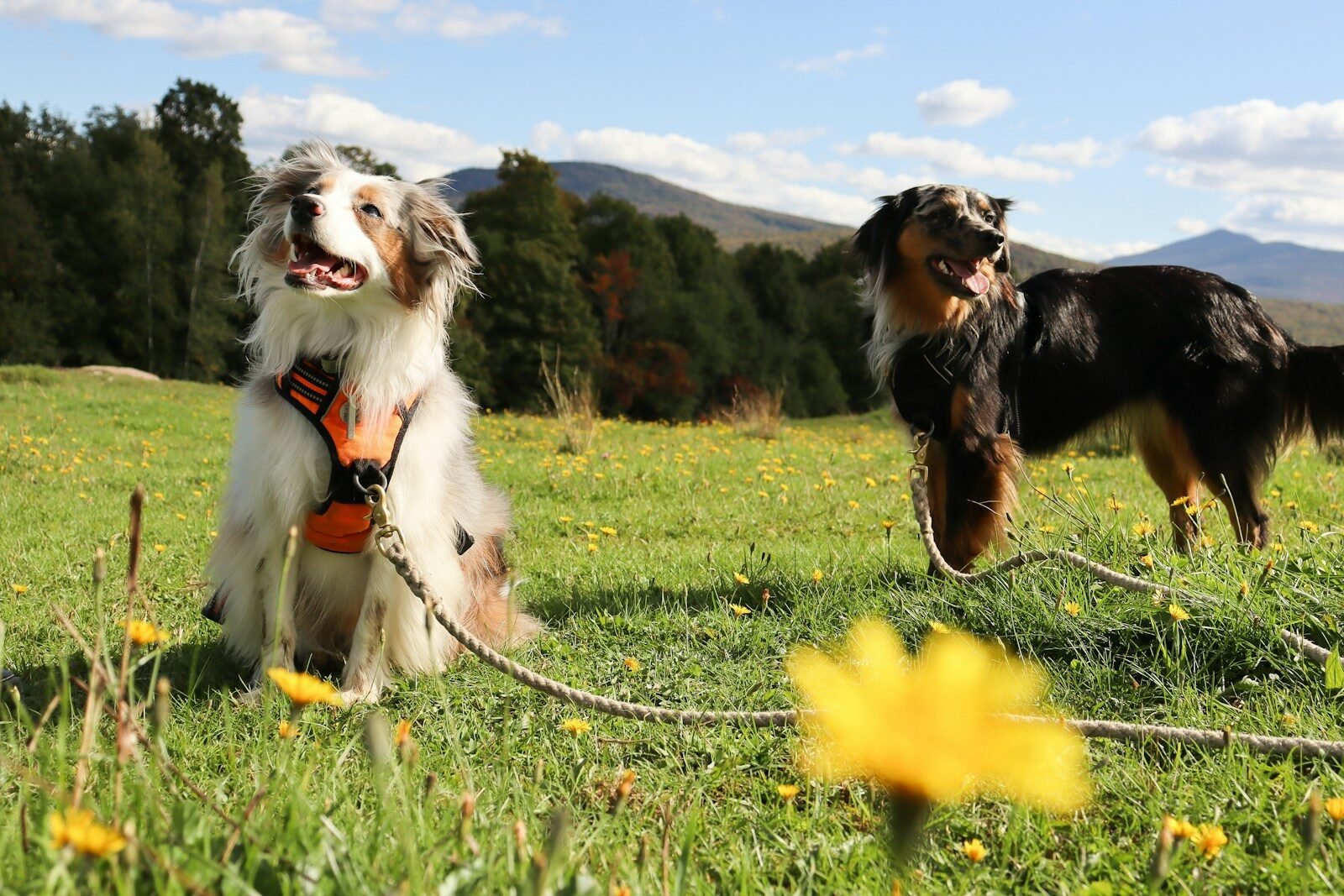
Many U.S. dog owners are familiar with the experience of waking up each Spring to discover that their home has turned into a mini-snow globe – but rather than snowflakes, it’s fur. There is fur in and around the couch. There is fur on top of the refrigerator. And yes, even in the refrigerator!
If your home currently looks like a mini snow globe, take a deep breath and relax. Your dog is healthy. What most grooming articles fail to report is that the amount and time of year of your dog’s shedding can give you an idea of your dog’s overall health. The type (texture), quantity, timing, and odour of the shed coat can also indicate a variety of other issues, including nutritional deficiencies, skin conditions, hormonal/endocrine system changes, and parasite infestations. If the only thing you ever do is sweep and mop, you may never realise these potential problems. This article is featured to help dog owners better understand what their dog’s shedding is telling them and to establish a practical, science-based routine for managing it. Whether your Siberian Husky is shedding its winter undercoat or your Labrador Retriever is leaving a trail of fur behind, we will cover it all.
What Is Actually Happening Inside Your Dog During Spring Shedding
Dogs’ shedding does not occur at random. It is governed by a physiological process known as photoperiodism, which allows the dog’s brain to respond to changing amounts of daylight (not temperature). When spring begins to transition into summer, longer daylight hours cause the pineal gland to alter how much melatonin it produces. Melatonin then sends a signal to the hair follicle to start releasing the thickened winter coat.
This is why dogs living indoors with climate control will still be shedding when spring arrives. While artificial lighting can have an impact, most dogs get enough light through their windows during the day to continue the annual cycle.
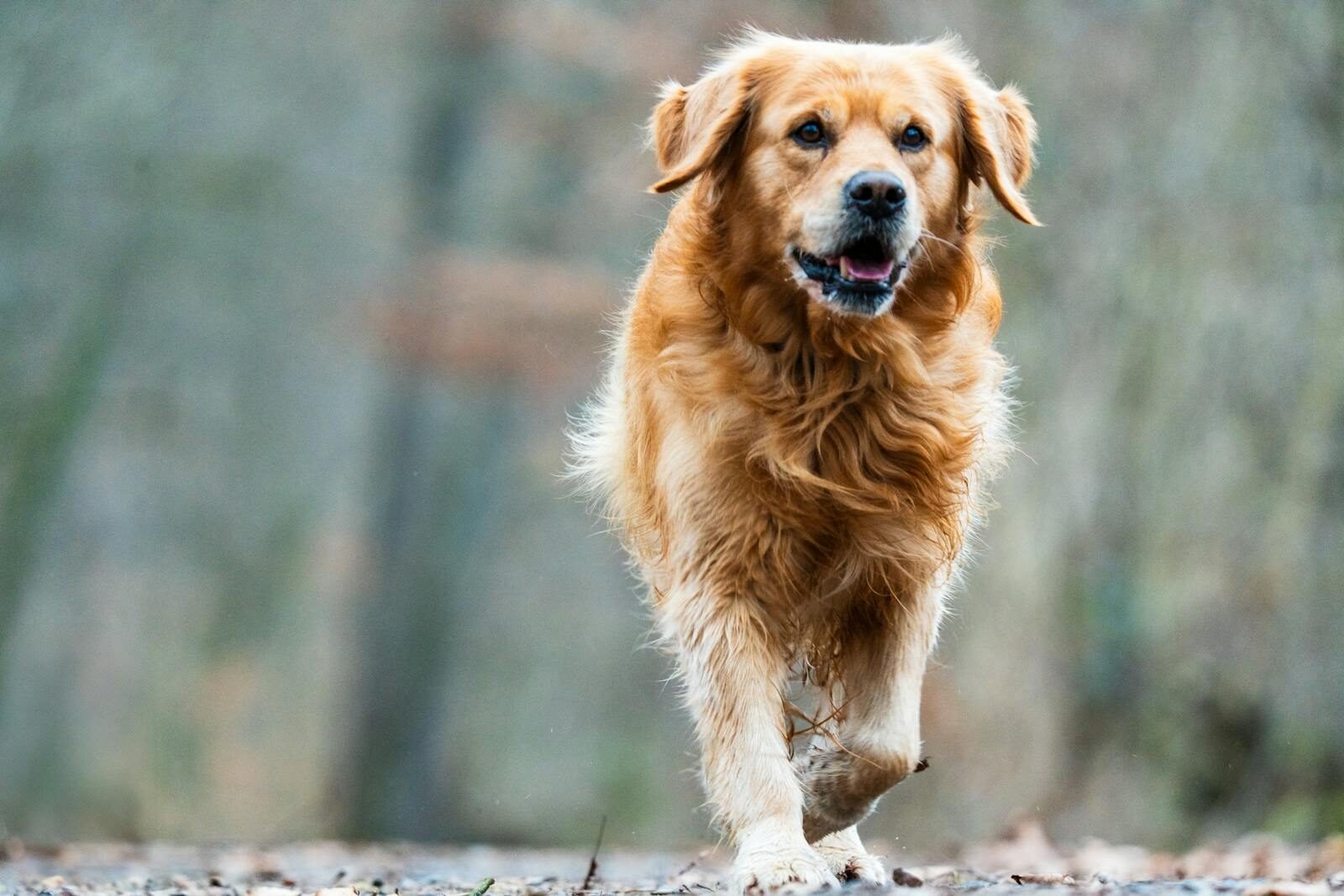
Double-coated dogs such as Golden Retrievers, Labrador Retrievers, German Shepherds, Huskies, Australian Shepherds, and Bernese Mountain Dogs go through a more intense form of this process. This is referred to as a “coat blow.” During a coat blow, the soft, dense undercoat comes off from the skin all at once, and often within a couple of days. However, the guard hairs on the outside stay on the dog and need to be removed with the undercoat.
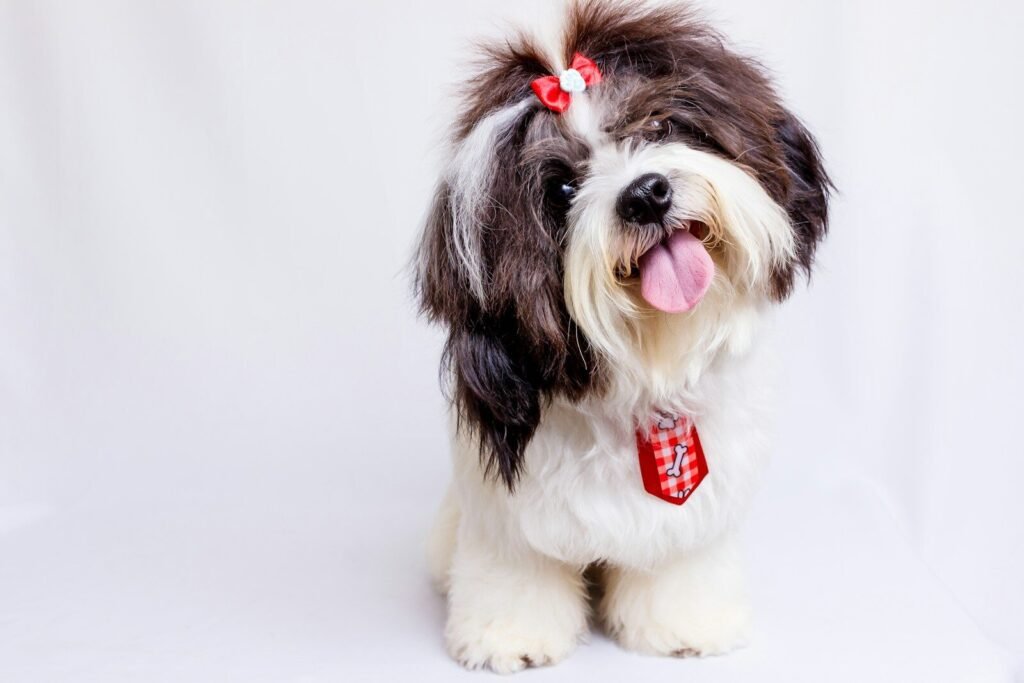
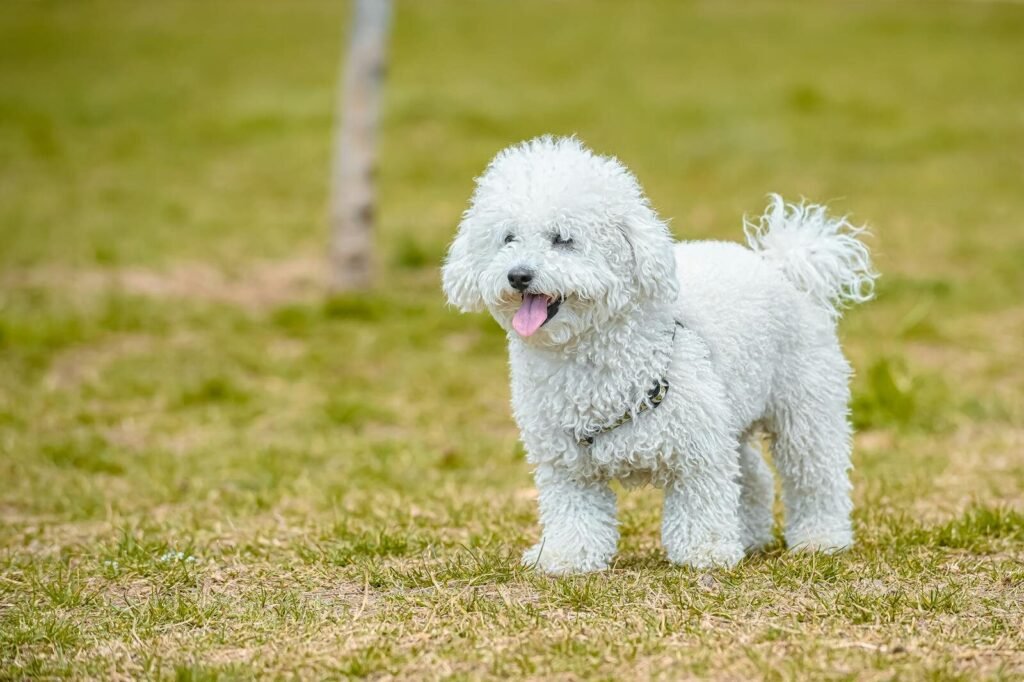
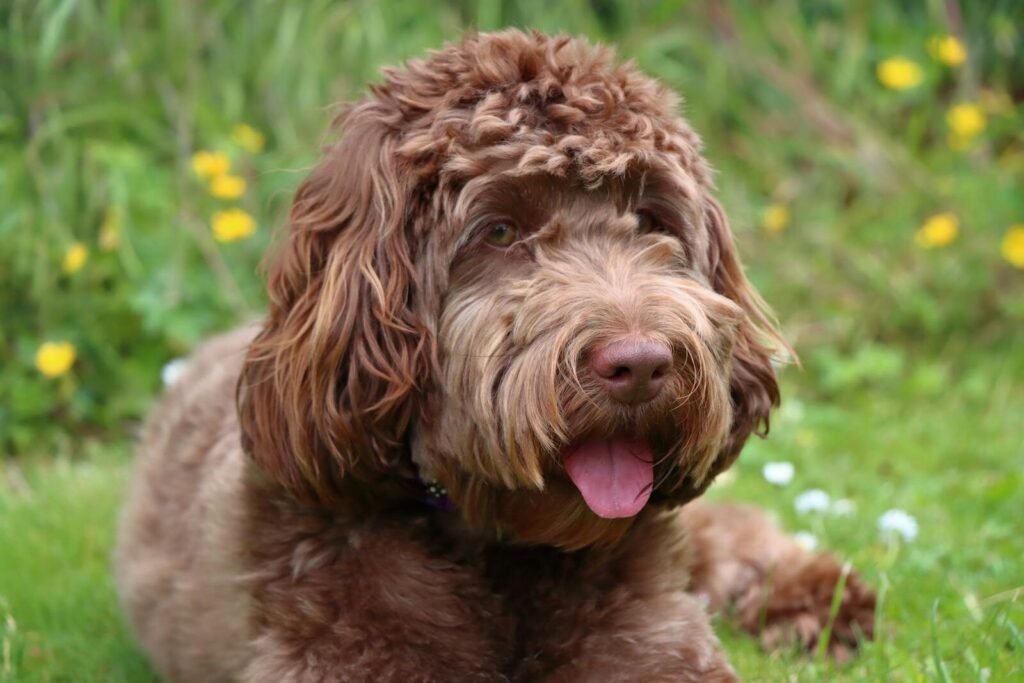
Single-coated dogs such as Poodles, Maltese, Shih Tzu’s, and Bichons typically shed continuously in small increments versus experiencing one big season. Single-coated breeds are often marketed as being “non-shedding,” however, they still shed; they simply catch their loose hair in their coat instead allowing it to fall to the ground, which can create additional problems if not brushed regularly.
What “Normal” Shedding Actually Looks Like
Here is something nobody ever mentions: there is an extremely wide range of “normal” (and normal can depending on breed, age, and individual dog) – a young husky may have what feels like a whole other dog’s worth of fur come out during their first spring shedding; an older beagle will probably just give you a light layer of hair to clean off the furniture. Both can be perfectly fine. What you want to find is if your dog’s behaviour is consistent with how they normally behave, not compare them to others. If your shepherd sheds an enormous amount every spring and does so again this spring, then that is normal. If your shepherd has never shed much at all in previous springs and now is shedding big clumps, then that needs to be checked.
When Shedding Is Telling You Something Is Wrong
This is perhaps the most ignored part of grooming literature; however, understanding abnormal shedding is extremely important to all dog owners.
Signs That Shedding Has Gone Beyond Normal
- Bald patches or thinning spots on the body, flanks, or tail
- Fur that breaks off rather than pulls out cleanly (coat feels brittle)
- Skin that looks red, flaky, or irritated underneath the shed areas
- A musty or sour smell coming from the coat even after bathing.
- Excessive scratching or chewing at specific spots
- Shedding that continues through summer without tapering off
- Dull, lifeless coat texture alongside heavy shedding
Abnormal shedding can also be an early sign of some of the above-listed health conditions.
If you notice either of these patterns of abnormal shedding in addition to excessive shedding, consult with your veterinarian. Some common causes of excessive shedding include thyroid disorders (Hypothyroidism is very prevalent in dogs, which results in a typical dull/thin coat) food allergies skin infections, Cushing’s disease in middle-aged/older dogs and external parasites such as mites.
The American Veterinary Medical Association suggests that all dogs should receive a wellness examination at least annually, and Spring is a great opportunity to do so, while you will likely be paying close attention to your dog’s coat anyway.
Spring Shedding Management Week-to-Week Guide
To take your spring shedding management to the next level, we offer a week-by-week guide to managing your dog’s spring shedding. In addition to the “brush them more” recommendations you may have already seen, this provides a comprehensive approach.
Week 1: Assess Your Dog
Spend about 10 minutes examining your dog with your hands in their coat. You should part their coat in various places including:
- How matted the undercoat is (run a metal comb through, not just a brush)
- Any skin discoloration, bumps, or hot spots hiding under the fur
- The ratio of loose undercoat to attached fur
- Any signs of flea dirt (tiny dark specks that turn red when wet)
Assessment of your dog will provide insight into how extreme your first grooming session will need to be and whether a veterinary visit is warranted prior to starting.
Week 2 to 4: Active Deshedding Phase
Most dogs experience their highest shedding season (typically 3 to 5 weeks) during these weeks. The amount of time spent actively deshedding each week will depend on the breed and individual characteristics. Below is a general outline of active deshedding routines based on coat types:
Double-Coated Dogs
Active deshedding for double-coated breeds includes:
Daily brushing during the active shedding phase. Minimum 10-15 minutes per session.
Two brushes are required:
An undercoat rake to remove loose undercoat
A slicker brush to smooth the outer layer and capture loose undercoat
Always brush the hair in the same direction as it grows. Never brush against the grain.
One (proper) deshedding bath during the active shedding phase. Deshedding shampoos contain ingredients that help break the hair shaft away from the follicle. These include:
Omega fatty acids
Hydrolyzed proteins
Conditioner is NOT optional. Conditioner closes the hair cuticle, allowing the loose fur to come off instead of being caught.
Step in drying that most owners miss: Following the bath, dry your dog using either a high-velocity pet dryer (if you own one), or a low/cool setting on a regular hairdryer. Hold the hairdryer at least 6 inches away from your dog. Using the air pressure created by a high-velocity pet dryer or a low setting on a regular hairdryer while brushing is more effective at removing loose undercoat than air drying. When done correctly, you should be able to pull out a significant amount of fur during the session, leaving you with significantly reduced amounts of loose undercoat in your home for the next 2 weeks.
Short-Haired Dogs (Labradors, Beagles, Boxers)
Although both long-haired and short-haired dogs lose similar amounts of fur, the length of the fur on short-haired dogs makes the dead fur penetrate clothing. You can use a rubber-made curry brush or a grooming glove which is typically more successful than a standard brush in removing dead hair due to the friction it generates. For short-haired breeds, brush at least twice a week during the spring.
In addition to brushing, a monthly bath using a mild deshedding shampoo will help loosen dead hair from the follicle and maintain a healthy skin barrier. According to the American Kennel Club, bathing too frequently can peel the skin of its natural oils that protect the health of the coat; therefore, once a month is generally the optimal frequency.
Read our beloved article on: What Is Hand Stripping in Dog Grooming? (And Why Most Groomers Won’t Tell You This)
The Nutrition Connection: What Your Dog Eats Directly Affects How They Shed
In many cases, the least appreciated factor related to how much, how long, and what type of shedding occurs in a dog is the diet. When a dog has a nutritionally deficient diet, the body will prioritize maintaining its vital organs over supporting the health of the coat. Therefore, it is often the coat that exhibits the earliest signs of nutritional deficiency.
When shopping for a dog food that supports coat health, there are three primary nutrients to focus on:
1. Omega-3 fatty acids (EPA and DHA): Omega-3 fatty acids promote skin health by reducing skin inflammation, enhancing the strength and integrity of the skin barrier and helping to create a healthier, thicker coat. Common sources include salmon, sardines, mackerel and flaxseeds. Since fish is a nutrient-dense source of omega-3 fatty acids and therefore may be lacking in commercially available dog foods, a fish oil supplement (about 20mg EPA/DHA per pound of body weight daily) can provide a significant improvement to your dog’s coat within four to six weeks.
2. Biotin: Biotin helps to maintain the health of the hair follicles. Biotin is a common ingredient in commercial dog foods; however, dogs consuming large quantities of egg whites from their raw diet can experience biotin deficiency. Egg whites contain a compound called avidin which binds to biotin in the body causing a decrease in biotin availability.
3. Zinc: Zinc is crucial to the maintenance of skin and coat health. Dogs that do not receive adequate amount of zinc can develop dry, flaky skin and brittle coats. Some breeds such as Siberian Husky and Alaskan Malamute, are genetically predisposed to zinc-responsive dermatitis, requiring them to receive higher amounts of dietary zinc to prevent symptoms of the disease.
The One Mistake Most Dog Owners Make With Double-Coated Breeds in Spring
Every year in the spring, all grooming pros hear the same question from concerned dog owners: “Can you give my dog a haircut to make him cooler?”
Shaving a double-coated breed dog is truly harmful. And I am serious.
Here’s why:
Double coats are used for thermal regulation in both directions. In the wintertime, the thick undercoat insulates against the cold. In the summertime, the outer guard hairs block the sun’s rays, and create an insulation of air layers on the skin to keep the dog cool. Shaving off the coat removes the entire thermal regulating system.
Some of the potential outcomes of shaving a double-coated dog are:
- Post-clipping alopecia, where the coat grows back patchy and uneven, sometimes permanently
- Increased risk of sunburn (dogs have far less skin protection without the guard coat)
- Disrupted thermoregulation, meaning the dog can actually overheat more easily, not less
- Coat texture changes, where the soft undercoat grows back first and the guard hairs are slow to return, creating a fluffy, cotton-like coat that mats more easily
Managing Your House During Shedding Season: Practical Methods
Even with a good grooming routine, there will still be some dog hair in your house. Here are a few ways to manage the amount of dog hair in your house without losing your mind:
Hard Flooring
Rubber brooms are more effective than regular brooms for picking up dog hair. This is due to the fact that the rubber creates static that lifts the hair from the surface rather than just pushing it around. If you have a heavy shedder, consider investing in a robot vacuum that has a pet hair setting. These models typically have rubber roller brushes instead of bristle brushes, and these tend to tangle less.
Upholstery
Wet rubber gloves that you run across upholstery surfaces will pick up loose dog hair that a vacuum misses. To prevent excessive cleaning during peak shedding seasons, using washable furniture covers on your couches and chairs will save you time.
Air Quality
This is probably the one thing that no grooming article talks about: Pet dander and shed fur can severely impact indoor air quality during the spring shedding season. This is especially true for people in your household who suffer from allergies or asthma. Using a HEPA air purifier in the main areas of your home during peak shedding times will greatly reduce the amount of dog dander and fur particles in the air. Also, you should change your HVAC filter more often during this time. Typically, this is every 4 weeks, and not the typical 12-13 weeks that you use filters for normally.
When to Hire a Professional Groomer vs Doing It Yourself
For the majority of healthy dogs, managing your own home care for your dog’s shedding in the spring is totally manageable if you have the right equipment and plenty of time. There are however, some circumstances that make hiring a professional groomer absolutely worth it:
You have a double-coated dog with mats formed from a winter without regular brushing. Professional groomers can safely remove mats close to the skin.
You have a very large double-coated dog, and the amount of fur that they shed is too much for you to handle with your current at-home grooming routine.
Your dog is extremely fearful of being groomed at home, and a professional has better methods for calming them.
You want a professional to perform the deshedding bath and the subsequent blowout to achieve the ‘reset’ effect and then continue to groom at home yourself.
When searching for a groomer, ask them if they provide deshedding treatments (and not just baths and trims), and if they know about the risks associated with shaving a double-coated dog. Any groomer who immediately suggests shaving your Husky in the spring is definitely not the right groomer for your dog. The National Dog Groomers Association of America has a list of certified groomers, if you are trying to find a reputable groomer.
Quick Reference: Spring Shedding Routine by Coat Type
Double-Coated Breeds 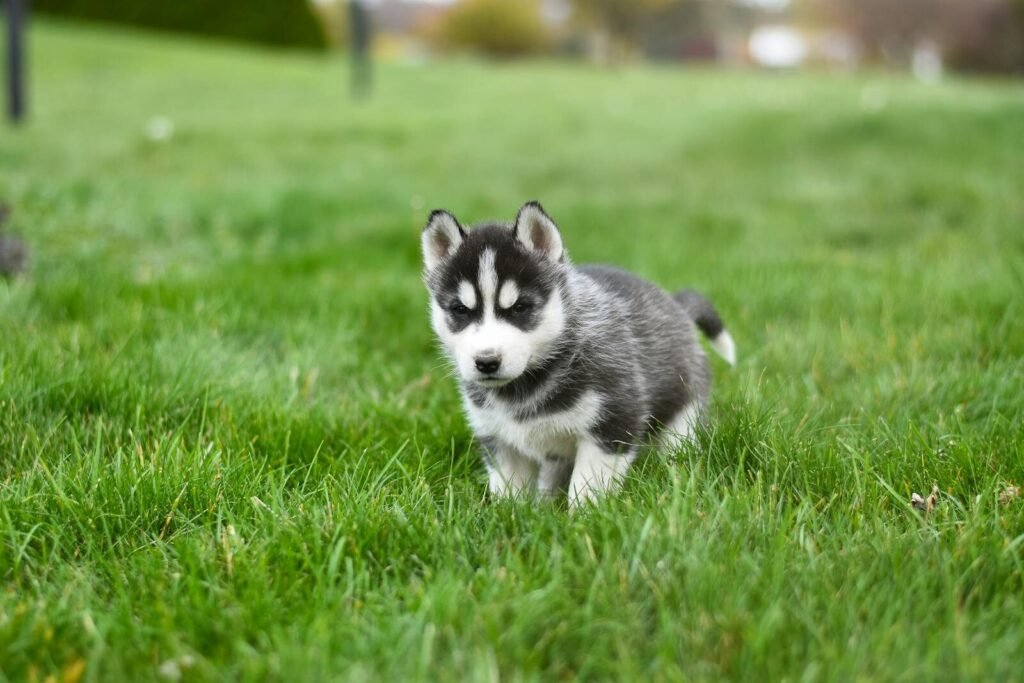 Golden Retrievers, German Shepherds, Bernese Mountain Dogs
- Daily brushing with an undercoat rake plus a slicker brush during peak shed
- One deshedding bath with professional shampoo, followed by conditioner
- Blow-dry while brushing for maximum undercoat removal
- Never shave the outer coat.
- Fish oil supplement throughout the spring
- Weekly skin checks for hot spots and parasites
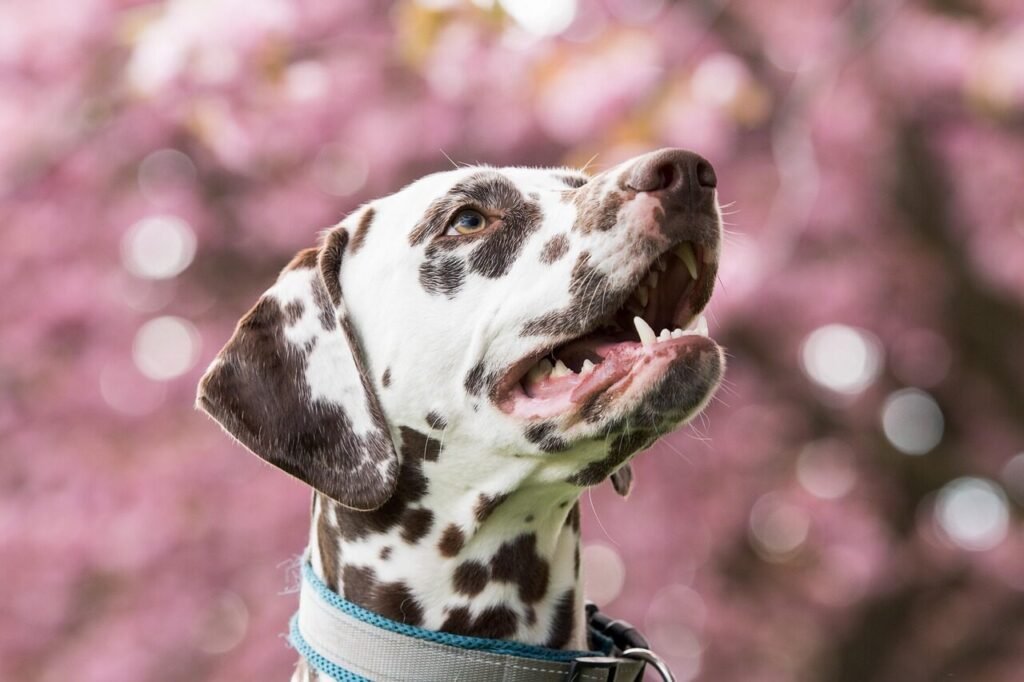
Short-Haired Breeds (Labs, Boxers, Beagles, Dalmatians)
- Rubber curry brush or grooming mitt twice weekly
- Monthly bath with gentle shedding shampoo
- Run a damp rubber glove over furniture regularly.
- HEPA vacuum with pet attachments for floors and upholstery
Single-Coated and Low-Shedding Breeds (Poodles, Maltese, Shih Tzus, Yorkies)
- Weekly brushing with a pin brush
- Metal comb check in mat-prone areas (behind ears, armpits, groin)
- Professional grooming takes place every 6 to 8 weeks for a trim and coat reset.
- Watch for mat formation closely during spring rainfall weeks
Closing Thoughts
Spring shedding can be one of the most noticeable aspects of caring for a dog; if you know what to look for, it can be one of the most educational. A healthy dog on a proper diet with a consistent grooming routine will typically experience seasonal shedding, followed by a reduction in shedding. When your dog’s shedding continues beyond normal, when they develop skin issues, or their coat becomes dull, brittle, and unhealthy, there is usually an underlying issue being communicated that needs attention.
Your objective is not to create a “fur-less” home. Your objective is to maintain a dog with a clean, skin-healthy coat that is managed so that they remain comfortable with the changing of the seasons. Any additional effort you put into your dog during spring will pay dividends in maintaining their overall coat health throughout the year.
Veterinary Disclaimer: This article is for educational purposes only and does not replace professional veterinary advice. If your dog has eaten something potentially harmful, contact your veterinarian or the ASPCA Animal Poison Control Center at (888) 426-4435 immediately.
About the Author
Faizan is the founder and writer behind Complete Dog Guide, a blog dedicated to helping dog owners with practical, well-researched information on dog food, care, grooming, and training. With 5 years of experience in content writing and blogging, he spends hours digging through veterinary publications, official guidelines from organizations like the ASPCA, AKC, AAFCO, and the Merck Veterinary Manual to make sure every article is backed by reliable sources.
Complete Dog Guide does not provide veterinary advice. Every health-related article on this site is researched using published veterinary data and clearly cites its sources. If your dog has eaten something harmful, always contact your veterinarian first.