Now Reading: How to Introduce a New Dog to Your Resident Dog
- 01
How to Introduce a New Dog to Your Resident Dog

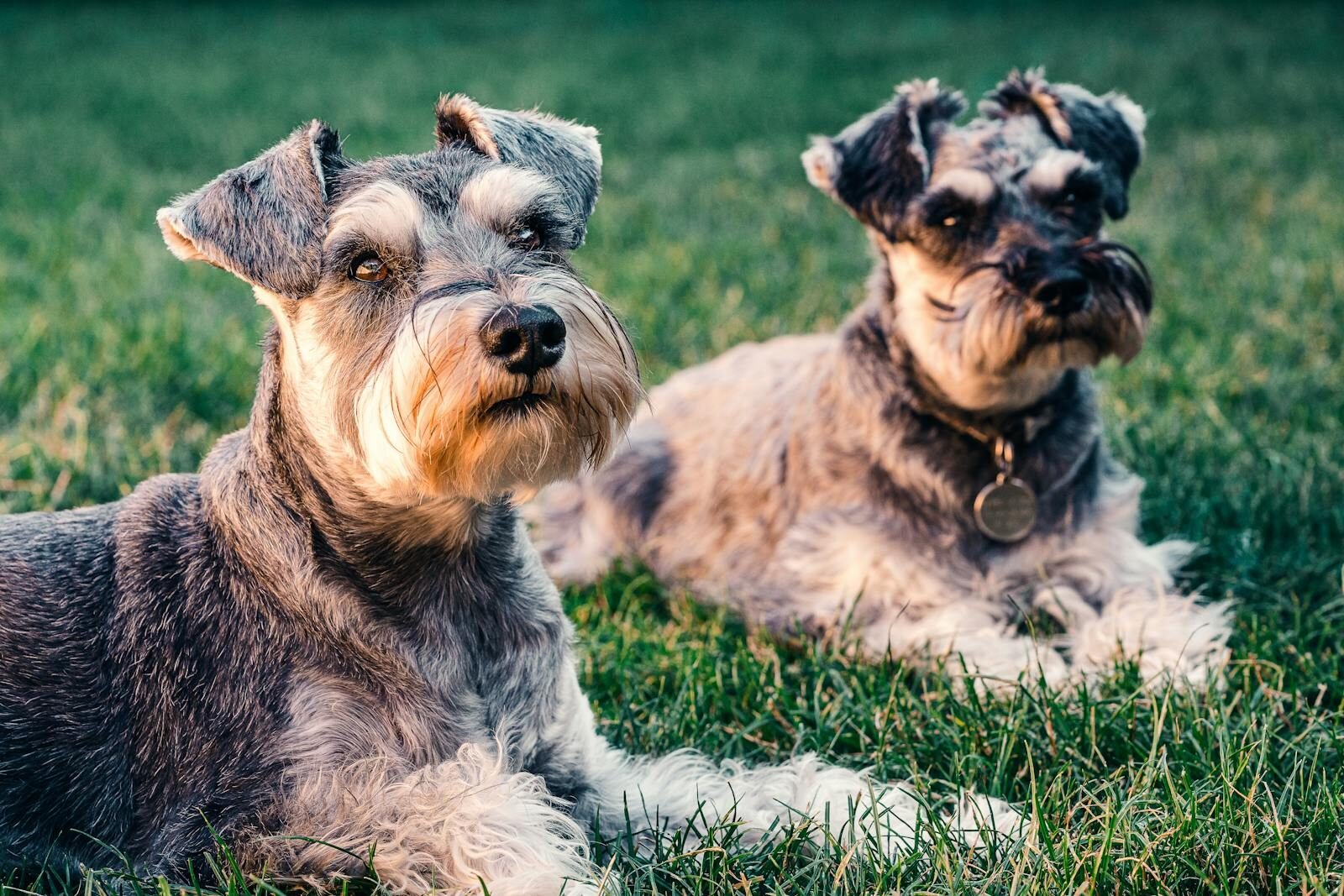
You finally have a second dog. You can already picture them curled up on the couch together as the best of friends for all time. On day one, your resident dog is growling at the new dog, the new dog is cowering in fear, and you’re stuck in the middle, trying to figure out what happened.
Nothing went wrong. The fact that the two dogs met and there was some level of tension or awkwardness doesn’t mean they won’t be able to live together peacefully. What this really shows is that the initial introduction of these two dogs was not structured enough, and the animals were left to fend for themselves.
Structure the right introduction, and most of the potential long-term problems can be avoided. This guide walks you through each step of structuring the right introduction, starting with the correct way to introduce your new dog to your current pet. The best guide to know how to introduce a New Dog to Your Resident Dog.
Quick Checklist: Introduction at a Glance
If you are short on time, here is the core process. Full details in each section below.
- Meet on neutral ground, not at your home.
- Keep both dogs on loose leashes (avoid tight tension)
- Walk them together before entering the house.
- Remove food bowls, toys, and chews before the new dog arrives.
- Let the resident dog enter the home first.
- Supervise all interactions for the first one to two weeks.
- Use crates or baby gates to give both dogs safe downtime.
- Never force interaction; let each dog set their own pace.
What the First Meeting Does to Set the Stage for Everything

Dogs are very quick to get an impression. If you have a first meeting with a new dog that does not go well, such as a chase, pinning, or a fight, the bad impression created by this meeting can be difficult to reverse. This could take weeks or months to resolve. Conversely, if you meet the two dogs under non-threatening conditions (on neutral ground), they will have the opportunity to gather information from each other. In doing so, both dogs should be able to do this without either feeling threatened.
Think of it like this. The dog already living in your home has had this house to themselves. All of their scent is throughout the home. They have established a routine. Their food dish, where they sleep, the sunbeam they enjoy, etc., are all their property. Introducing a new dog into their home without some preparation is somewhat like someone entering your home without being announced and immediately sitting down in your chair.
The American Kennel Club (AKC) advises that initial dog-to-dog introductions occur on neutral grounds, rather than in the home, because neutral ground creates no need for the dogs to protect anything.
Preparing for Their Initial Meeting
Doing some initial prep will help you. Here’s what you should do before the first meeting with the second dog.
Remove items that your resident dog is protective of. These include food dishes, their personal toys, chews, and sleeping areas. Resource guarding is a major reason why first dog interactions don’t go as well as they could. By removing the resource, you have removed a large amount of the potential risks involved.
Exhaust both dogs before the first meeting. The more exhausted your resident dog is from an activity such as walking prior to meeting the second dog, the more likely it is that your resident dog will remain calm rather than being either overly excited or reactive.
Ensure there are at least two people present. Having one person for each dog helps make this whole process easier. This allows you to control both leashes, keep a safe distance, and read the body language of each dog without having to try to manage both animals simultaneously.
Do a scent introduction if you are able. Have each dog sniff a blanket or towel that the other dog has rested upon. As we know, dogs use scent to determine the world around them. Therefore, when a dog meets another dog that has a familiar scent (i.e., the scent of another dog that was previously introduced) it will likely react much differently than it would when it meets a new dog.
THE FIRST MEETING: HOW TO DO IT RIGHT

The First Meeting is where most owners do things “right” or inadvertently make things more difficult. Below is the method that has been shown to work consistently well:
Step #1: Hold the Meeting on Neutral Ground, Using Loose Leash Techniques
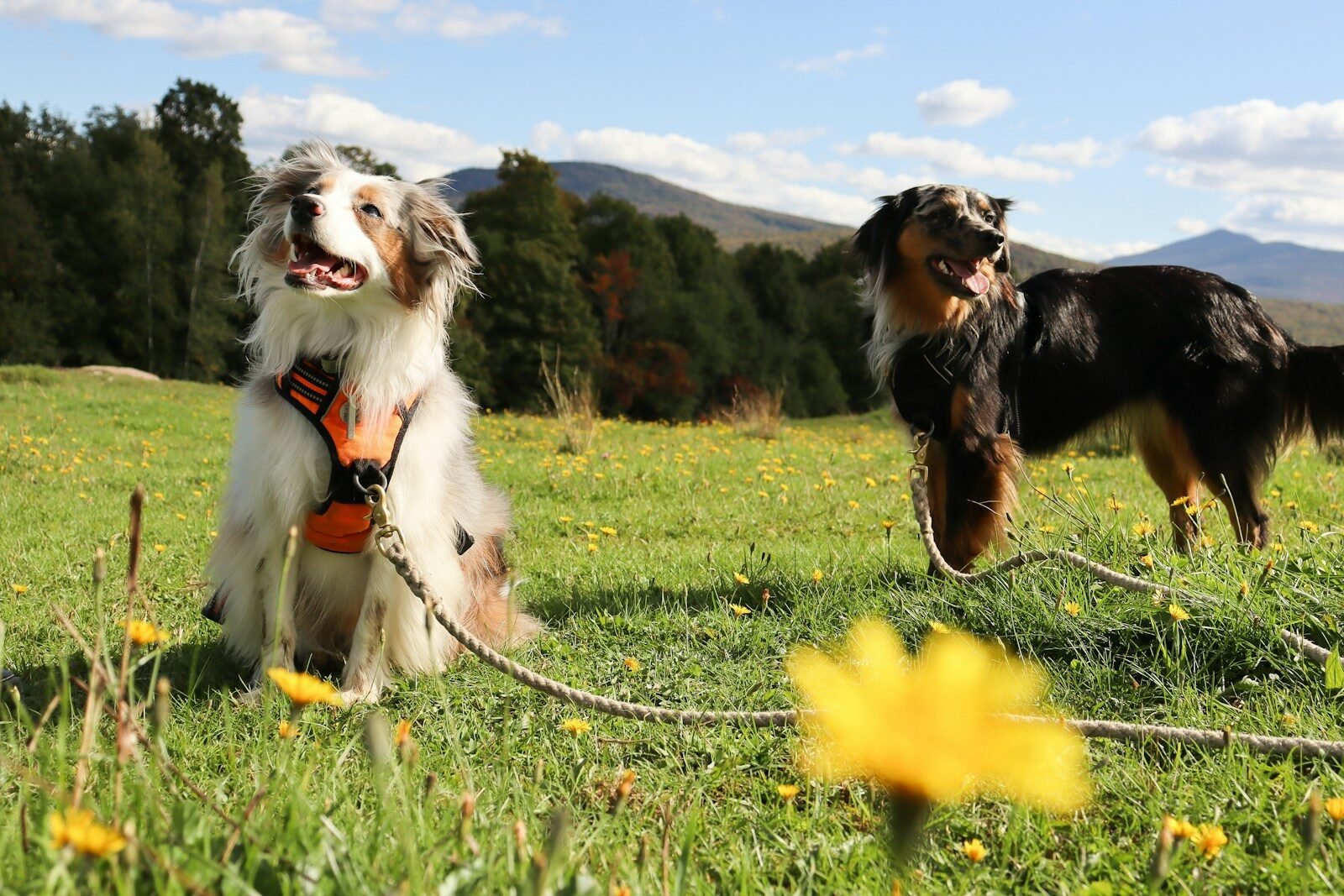
Hold the first meeting of the two dogs in a neutral location. This could be in a park (that no dog uses as a favourite), a quiet neighbourhood street, or in a neighbour’s yard. Each dog should be on a leash. Each handler should remain calm. Loosen the leashes so that there will be less tension being communicated to the dogs. When the leashes are tight, the dogs feel this tension. Tension causes dogs to become reactive.
There is one important note. Avoid having the dogs meet face to face, especially if either dog appears tense. Forcing a face-to-face meeting while the dogs are on leash may actually increase the dogs’ tension levels. Let the dogs approach at an angle, allow them to sniff each other briefly, then redirect both dogs back into a side-by-side walk. Dogs that walk parallel to each other are generally safer than those that meet head-to-head.
Reward the dogs for remaining calm throughout the meeting using small, high-value treats. Rewarding the dogs for being calm during the first meeting helps to create a positive relationship between the other dog’s presence and a positive event occurring. This is what you need to start building on Day One.
Step #2. Take Them Both for a Walk Before Bringing Them Inside
Walking both dogs together, side by side, for 10-15 minutes before entering the house is often overlooked. Walking together is a natural bonding activity for dogs. It allows them to develop a common experience without requiring them to be close enough to interact in a potentially stressful way.
Two dogs that appear to be mostly ignoring each other after Day One, but calmly coexist by Day Three, are headed down a good path. Indifference in the early days is a good sign.
Step #3. Allow Your Resident Dog to Enter the House First
Allow your resident dog to enter the house first. This is their territory, and by allowing them to go in first, you respect that. Bring the new dog into the house calmly, on a leash, and allow them to explore gradually. Do not require the dogs to interact. If your resident dog needs space, give them space.
Step #4. Utilise Crates, Baby Gates and Rotation
Many owners skip this step and later regret it. Structured downtime away from each other is necessary even when the dogs seem to be doing well. During the first week, use crates, baby gates or simply a rotation plan to have one dog in another room while the other dog is free to roam. This allows the dogs to de-stress without pressure.
This is particularly useful for owners of high-energy puppies and resident dogs who are calm adults or seniors. Access to a new, energetic puppy would exhaust the calm dog. Providing your resident dog with puppy-free downtime will prevent a lot of potential conflict.
Step #5. Supervise All Interactions for the First 2 Weeks
Do not leave the dogs unattended until you are confident in how they interact. This does not mean you need to hover over the dogs constantly to watch every sniff, but rather keep an eye on things. In particular, pay attention to how they behave at mealtime, in sleeping areas, and at doors. Separating the dogs when you leave the house for the first week is also a good idea.
Size, Breed, and Energy: Why Mismatches Need Extra Care
The size and energy level of your two dogs will greatly affect the amount of risk involved during an introduction.
A large dog meets a small dog. The size difference alone requires extra supervision, regardless of whether both dogs intend to be friends. There are many ways a large dog can unintentionally harm a small dog. Early interactions should be short and well-controlled until you are aware of how each dog reacts to the size difference.
High-energy dog meets a low-energy dog. A high-energy dog may truly be overwhelming for a dog that prefers to live at a slower pace. Make sure there is sufficient time for your lower-energy dog to separate from the new dog, and do not expect them to match the new dog’s enthusiasm.
Two high-energy dogs. Many breeds of high-arousal dogs (terriers, huskies, working breeds) and those with a strong prey drive will tend to escalate from excitement to aggression more quickly than other breeds. Move slowly, make early sessions shorter, and pay close attention to their body language.
Reading the Room: Understanding Your Dogs’ Body Language
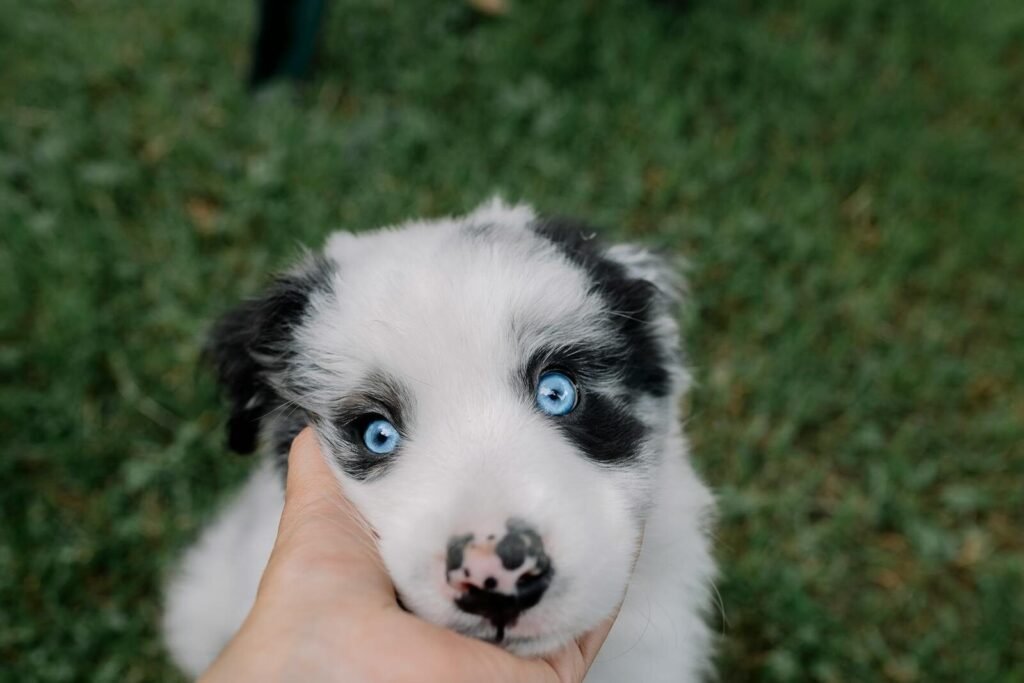
You don’t have to be an expert to understand what your dogs are communicating. Even simple signals can tell you a lot, so here is what to watch for:
Signs things are going well:
- Loose, wiggly body posture
- Play bowing (front end down, back end up)
- Taking turns sniffing each other calmly
- Choosing to be in the same room without tension
Signs to slow things down:
- Stiff, rigid body posture
- Hard, unblinking stare from one dog to the other
- Tail held very high and stiff, not a relaxed wag but a tense flag.
- One dog is constantly pinning or cornering the other with no relief.
A growl can be an opportunity for growth rather than a cause for concern. Growls are how dogs communicate. Instead of correcting a growl, respect what your dog’s growl is saying. For example, if a growling dog tells another dog “back off,” and the second dog backs off, this is a healthy way to resolve a conflict. A growl becomes a problem when the warning is either suppressed (ignored) or the dog loses the warning signal, but still feels uneasy. This is the case because when a dog misses their warning signal, they will not have the same level of unease as before. In addition, they will likely skip the warning signal the next time.
When you need to intervene in a situation where there is tension between two dogs, do so calmly. Take one dog away by calling them by name; take a calm and deliberate step between the dogs; or use the leash to gently steer one dog away from the other. Yell at the dogs; grab one of their collars in a panic and pull them away from each other; or physically separate the dogs without caution. A calm intervention will help calm the situation. A frantic intervention will add fuel to the fire.
Read our article on: The Real Guide to Dog Care: What Every Dog Owner in the US Actually Needs to Know.
What If Your Resident Dog Is on the Grumpier Side?
Many people bring home a new pet after months or even years of having one (or two) dogs as residents in their home. As exciting as it is to have a new addition to the family, it can be equally stressful. One common question many owners ask themselves is “Will my new dog get along with my existing dog?” And if the answer is no, will I need to get rid of either of them?
Of course, there is no simple answer to these questions. The relationship between dogs can depend on so many things, including the breed(s), age(s), size(s), genes, and personality type(s). However, one thing remains constant. How we introduce the new dog into our current household environment can make all the difference. In fact, introducing a new dog correctly can help prevent a variety of potential problems, such as fear-based behaviours, resource guarding, and aggression.
What If My Current Dog Isn’t All Bubbly Either?
While some dogs are very social and love meeting new people and animals, others are not. Some dogs can become quite aggressive toward other dogs based solely on their background. For example, some dogs may have had poor experiences with other dogs in the past. Others may have simply always been a bit shy. While some dogs may easily accept new dogs, other dogs will require time. And while time is important, patience is even more important. The AVMA advises reaching out to a veterinary behaviourist or a certified applied animal behaviourist if there is ongoing aggression between dogs in the same household.
When to Wait Before Getting a Second Dog

You don’t see enough writing about this area, and there probably shouldn’t be. Bringing a second dog home isn’t always the right call. At least not yet.
Consider waiting if your current dog has a serious history of aggressive behaviour towards other dogs. One difficult introduction will set both dogs back. Some dogs prefer to live as only dogs.
Consider waiting if your resident dog is suffering from extreme anxiety, including separation anxiety or general anxiety. Adding a new dog to an existing situation of stress on top of stress is often never good.
Consider waiting if your household is experiencing significant changes, such as a new baby, a change in work hours, or moving. Dogs experience these changes similarly. Introducing a second dog to your household during a stressful time rarely ends well.
Nothing mentioned above means you’ll never bring a second dog home. Just that timing counts, and introducing dogs at the right time produces much greater results than rushing into it.
First Two Weeks: What to Realistically Expect
Many pet owners believe things will go smoothly by day three. Reality dictates that the first two weeks are the adjustment phase. Things rarely resemble those magical moments in movies.
Feed them separately. Have two bowls. Create two eating areas. No cross-access to each other’s food.
Separate sleeping arrangements for the first few weeks (if possible) due to lack of supervision at night.
Provide individual attention to both dogs. Your current dog needs to know that nothing important has changed. Many multi-dog households develop issues not due to the fact that the dogs do not like each other; rather, the current dog feels threatened regarding their role in the family.
In all likelihood, by the end of the second week, most dogs will tolerate each other. Most dogs will take a little longer to become friends, even to sleep next to each other or play voluntarily. Sometimes it takes a month or more, depending on the personality type of the dogs.
Caring for a new puppy and a current resident dog creates slightly different dynamic energy. Young puppies are energetic and relentless. Older dogs may become exhausted or irritated by the young puppy’s enthusiasm. Use crates and rotation scheduling liberally so your current dog receives adequate puppy free time.
Some Common Mistakes Which Will Exacerbate Problems
The majority of introduction issues arise due to a limited number of easily avoidable mistakes:
Hurry the process. Peaceful coexistence for a couple of days does not equate to trust. Keep the structured environment in place for at least two weeks.
Correcting growling. Punishing your current dog for growling removes their warning system without addressing the source of the discomfort. As a result, you now have a dog who will skip the warning and bite.
Allowing them to be left unsupervised too quickly. Even dogs that appear to be getting along with each other may still have a negative encounter while unattended. Provide a minimum of one week before allowing them to be alone together. Start with short periods of absence.
Forcing them to “work it out”. While many people claim that this is the best way to create order and respect, a fight between two dogs does not establish either. Instead, it creates fear and distrust among both animals.
That Cosy Couch Moment Will Come, Just Give It Time
That picture you had in mind of two dogs curled up together is still completely possible. It just takes the right foundation first. The owners who see that moment happen are usually the ones who took things slow, respected each dog’s pace, and avoided pushing them to bond before they were ready.
Have an eye on our beloved article on: How to Take Care of a New Puppy: A Real Guide for First-Time Owners
Veterinary Disclaimer: This article is for educational purposes only and does not replace professional veterinary advice.
About the Author
Faizan is the founder and writer behind Complete Dog Guide, a blog dedicated to helping dog owners with practical, well-researched information on dog food, care, grooming, and training. With 5 years of experience in content writing and blogging, he spends hours digging through veterinary publications, official guidelines from organizations like the ASPCA, AKC, AAFCO, and the Merck Veterinary Manual to make sure every article is backed by reliable sources.
Complete Dog Guide does not provide veterinary advice. Every health-related article on this site is researched using published veterinary data and clearly cites its sources. If your dog has eaten something harmful, always contact your veterinarian first.