
Now Reading: How to Socialize a Reactive Dog: Advance Guide
- 01
How to Socialize a Reactive Dog: Advance Guide

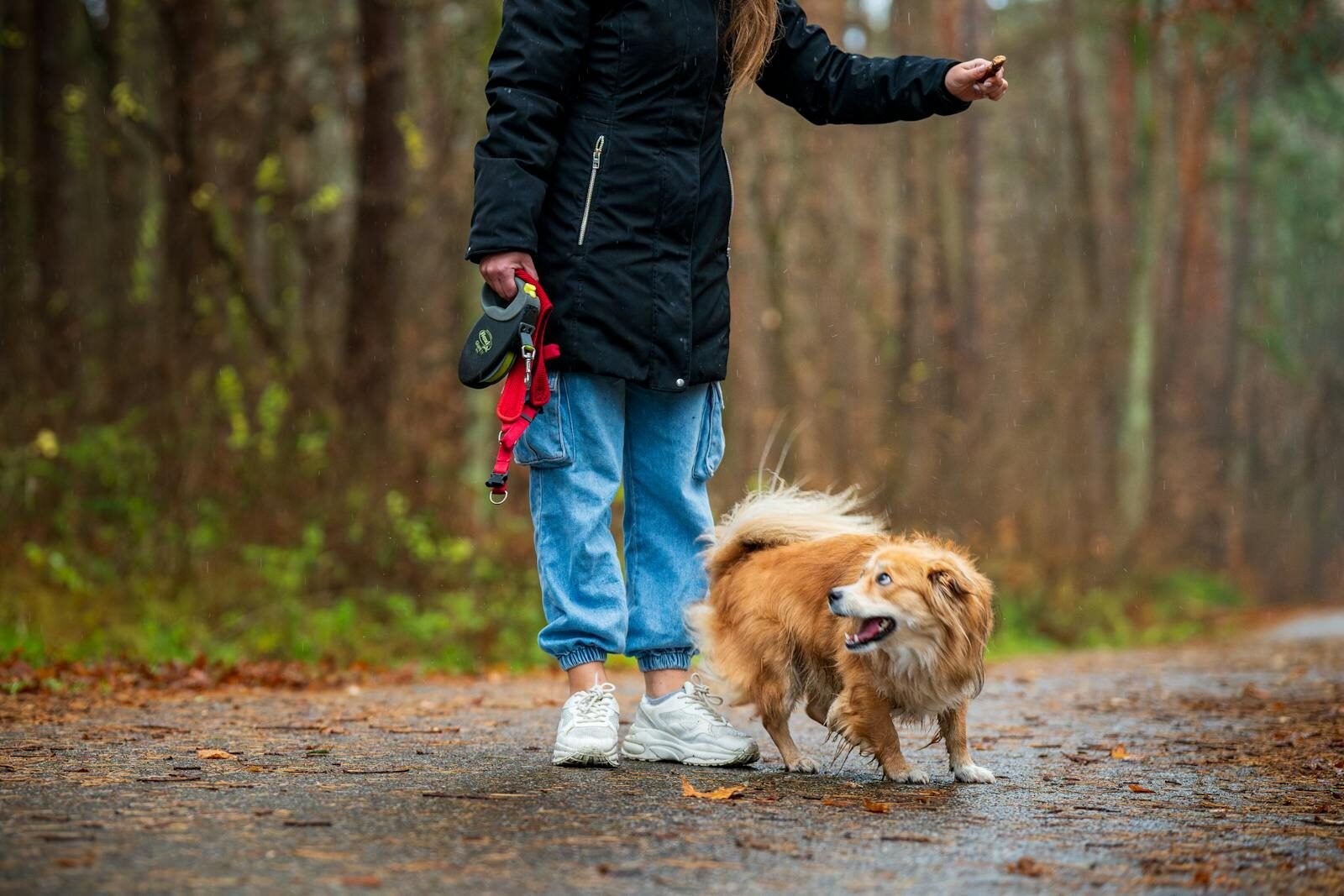
You spot the other dog before yours does. Your heart starts racing. You scan for an exit, a driveway, a bush, anything. But it’s too late. Your dog has locked on, and now you’re in full damage control mode, dragging an emotional explosion across the street while a stranger watches with that look.
If this is your life, you didn’t sign up for it. And you’re not failing. Reactive dogs are one of the most common issues real dog owners face, and somehow the advice you find online makes you feel worse, not better.
This guide is built for the owner who has tried things, gotten conflicting advice from three different trainers, and just wants a clear plan. By the end, you’ll know what type of reactivity your dog has, what protocol fits, how long this actually takes, and what to do this week.
Reactive vs Aggressive: The Critical Distinction
Before anything else, you need to know which one you’re dealing with. The training approach is completely different.
A reactive dog is overwhelmed. Their nervous system flips into overdrive at the sight of a trigger, and the barking, lunging, growling is them trying to manage that flood. Most reactive dogs do not want to fight or hurt anyone. They want the scary thing to leave or the exciting thing to come closer.
“If you’re dealing with small dog reactivity that often gets misread as aggression, our guide on why chihuahuas can seem aggressive breaks down the same confusion in detail.”
Quick self-check. Answer yes or no:
- Does your dog calm down within a few minutes once the trigger is gone?
- Does your dog accept treats from you, even if rejecting them at peak reactivity?
- Is the body language frantic and panicky rather than slow and stalking?
- Has your dog never followed through with a bite when given the chance?
Four yes answers points to reactivity. If you answered no to most, or there’s a bite history, skip the DIY route and contact a veterinary behaviorist directly. The rest of this guide assumes you’re dealing with reactivity.
The 2-Minute Reactivity Type Audit
Most guides stop at “your dog might be fearful or frustrated, work with a trainer.” That’s useless. Here’s how to figure it out today.
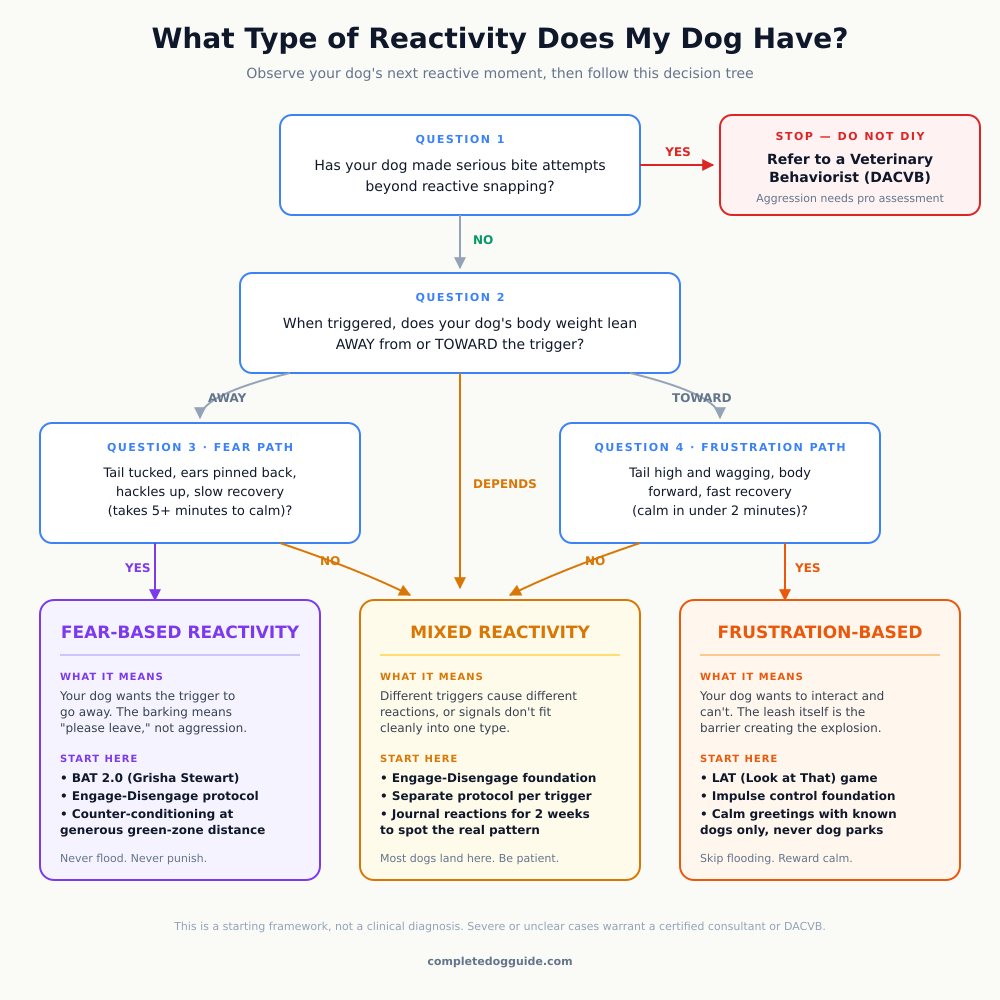
Use this decision tree to identify your dog’s reactivity type before choosing a training protocol.
Fear-Based Reactivity
Your dog is trying to make the scary thing go away. Look for:
- Body weight shifted back, leaning away from the trigger
- Tail tucked or held low
- Ears pinned back
- Hackles raised
- Tries to retreat or hide behind you
- Recovery is slow after the trigger passes
Frustration-Based Reactivity
Your dog wants to interact and can’t. Look for:
- Body weight forward, lunging toward the trigger
- Tail high and wagging, even while barking
- Ears forward
- Hackles often flat
- Quick recovery once the trigger passes
- Often seen in dogs who learned dog parks meant unlimited play, then got leashed
Mixed Reactivity
This is what most dogs actually have. Some fear, some frustration, depending on the trigger. A dog might be frustration-reactive to small dogs they want to chase and fear-reactive to large men in hats. You can run different protocols for different triggers.
Why This Matters
Fear-based reactivity needs distance, positive associations, and counter-conditioning. Pushing a fearful dog into more interactions makes things worse, fast.
Frustration-based reactivity needs impulse control and learning that closeness depends on staying regulated. These dogs need different exposure, not less.
Misdiagnose the type and you’ll spend months making things worse. Spend the next week observing. Watch what your dog’s body actually does before the explosion, not during. The pre-reaction signals tell you everything.
Understanding the Threshold
Threshold is the most useful concept in reactive dog training, and most owners have never had it explained properly.
Your dog has a distance at which they can see a trigger and stay regulated. Below that distance, their brain shuts down learning and goes into reaction mode. Three zones exist around every trigger.
Green zone: Your dog notices the trigger but stays loose. They can take treats, respond to their name, walk normally. This is where training happens.
Yellow zone: Your dog is alert and focused on the trigger. Body stiffens slightly. You’re at the edge of what they can handle. Intervene with cues or retreat.
Red zone: Your dog has crossed into overwhelm. Barking, lunging, fixated. They cannot hear you, cannot learn. The only useful response is to retreat fast and reset.
How to Find Your Dog’s Threshold
Pick a controlled environment. A parking lot near a park works well. Walk toward the trigger area, watching your dog. Note three distances:
- Where they first notice the trigger
- Where body language tightens
- Where they cross into red
Repeat for different triggers. A dog might be green-zone calm at 50 feet from another dog but red-zone reactive at 50 feet from a man with a beard. That data is gold.
The rule from here forward is simple. Training only happens in the green zone, sometimes the yellow edge. Red zone means you mismanaged the setup.
The Week-by-Week Socialization Plan
Here’s the actual plan, roughly a 10 to 12 week framework. Adjust pace to your dog.
Week 1: Trigger Audit and Baseline
No active training. Your job is observation.
Log every trigger event for seven days. Record what happened, distance, intensity on a 1 to 10 scale, and recovery time. Identify your dog’s top three triggers.
Scout two or three quiet training locations. Stock up on high-value treats your dog only gets during training, a 6-foot leash, a front-clip harness, and a quick-access treat pouch.
Weeks 2 to 3: Foundation Skills
Build the foundation indoors and on quiet walks.
Train an emergency u-turn. Cue word, treat, walk fast in the opposite direction. Practice 20 times a day.
Build an engage-disengage pattern. Mark and reward the moment your dog looks at any low-level distraction, then looks back at you. This becomes your core trigger response later.
Reinforce name recognition with payment. Every time your dog hears their name and looks at you, the treat is excellent. Not kibble. Real food.
Weeks 4 to 6: Counter-Conditioning at Distance
Set up at your green-zone distance. Wait for your dog to notice the trigger. The instant they do, deliver a high-value treat. Trigger appears, treat happens. Over and over.
You’re not asking your dog to do anything. You are pairing the sight of the trigger with something amazing, so the trigger starts to predict good things instead of stress.
Sessions are short. Three to five minutes max. Two or three sessions a day. Stop while your dog is still engaged.
After about ten sessions per trigger, you’ll see the shift. Your dog notices the trigger and looks at you for the treat. That’s the conditioned emotional response, and it’s the goal.
Weeks 7 to 10: Graduated Exposure
Now you slowly close the distance.
Reduce distance by maybe 10 percent. Run your sessions. If your dog stays green, hold that distance for two or three sessions, then reduce again.
Any sign of yellow tension, you back up. Any red reaction, you went too fast. This phase is where most people fail by pushing too fast.
Weeks 11 and Beyond: Maintenance
Generalize to new locations. New parks, new sidewalks, new types of triggers.
Build in maintenance sessions even after your dog seems “fixed.” Reactivity isn’t cured. It’s managed. Skip months of maintenance and you’ll see regression after a stressful event.
Named Protocols: Pick One to Start
The dog training world is full of acronyms. Here’s a quick breakdown so you can pick what fits your dog.
| Protocol | Created By | Best For | Difficulty |
|---|---|---|---|
| BAT 2.0 | Grisha Stewart | Fear-based reactivity | Moderate |
| LAT (Look at That) | Leslie McDevitt | Frustration and fear | Beginner |
| Engage-Disengage | Alice Tong | Beginners, all types | Beginner |
| CARE for Reactive Dogs | Ursa Acree | Fear-based, structured | Advanced |
Start with Engage-Disengage. It’s intuitive, gives immediate feedback, and builds the skill that BAT and LAT both rely on. Once that’s solid, layer in LAT for active training. Pull from BAT 2.0 specifically for fear-based triggers. CARE is your option if you want a written curriculum to follow.
You don’t have to pick just one. Most experienced trainers blend them.
Gear That Actually Helps (and What to Skip)
You can spend hundreds on the wrong gear and make things worse. Save yourself the trouble.
Recommended
Front-clip harness: Brands like Balance Harness, Freedom No-Pull, or PerfectFit. The chest clip gives you mechanical advantage without choking your dog. Avoid back-clip-only harnesses for reactive dogs.
6-foot non-retractable leash: Retractables give inconsistent feedback and rip out of your hand during a lunge.
15 to 30-foot long line: For decompression walks in low-trigger areas. Your dog sniffs and explores at their pace, which is genuinely therapeutic.
High-value soft treats: Tiny pieces of chicken, hot dog, or cheese. Hard biscuits are useless during training.
Quick-access treat pouch: Belt-mounted, magnetic close.
Situational
Head halter (Halti or Gentle Leader) can help with larger dogs whose owners can’t physically manage them. Requires careful conditioning. Management tool, not long-term solution.
Skip or Approach Carefully
Prong collars, e-collars, choke chains. The American Veterinary Society of Animal Behavior’s position statement is clear. Punishment-based tools can suppress reactive behavior temporarily while increasing underlying anxiety. For reactive dogs, they often make the emotional state worse.
Retractable leashes. Inconsistent tension, unreliable locks, prone to dropping during lunges.
If a trainer pushes aversive tools on a reactive dog without discussing emotional state, get a second opinion.
7 Mistakes That Make Reactivity Worse
1. Flooding your dog with triggers: Taking your reactive dog to the dog park or PetSmart “so they get used to it” is the fastest way to set yourself back six months. Flooding traumatizes.
2. Punishing the outburst: Yelling or leash popping teaches your dog that triggers predict pain from you, on top of whatever they already feared.
3. Letting strangers approach: That well-meaning person who says “dogs love me” is your enemy. Step in front of your dog. Say firmly, “He’s in training, please give us space.”
4. Skipping decompression days: Training every walk burns your dog out. Two or three sessions a week is plenty.
5. Switching protocols every few weeks: Pick one approach, stick with it for at least eight weeks, then evaluate.
6. Training a stressed dog: Cortisol stays elevated for days after a reactive episode. Train on calm days only.
7. Comparing your dog’s progress to anyone else’s: The Instagram dog who “recovered in 3 weeks” usually had mild reactivity to begin with, or the owner is leaving out a lot.
Slow progress is still progress. Every red-zone reaction you prevent is a rehearsal you avoided.
Reactive Dog Myths Worth Busting
Spend an hour in any reactive dog Facebook group and you’ll see the same advice on loop. Half of it is wrong.
Myth: Your dog reacts because of your tense energy
This gets repeated so often that owners now blame themselves for every leash explosion. Yes, your dog reads your body language. But your dog is not reactive because you’re anxious. They’re reactive because of genetics, history, and learned associations built over months or years. Manage your own leash handling. Stop blaming your nervous system for your dog’s.
Myth: Reactive dogs need more exercise
This ruins more reactive dogs than any other advice. High-arousal reactive dogs often get worse with more cardio. Long runs raise baseline arousal. A dog whose system is already cranked doesn’t need their heart rate pushed higher. They need decompression. Sniff walks, scent work, lick mats, and rest do more for reactivity than any 5-mile hike.
Myth: A reaction means you failed
You will manage everything right and your dog will still react sometimes. A garbage truck will round a corner. A loose dog will appear. The world is not a training enclosure. The goal is reducing frequency and intensity over time, not zero events forever.
Myth: Muzzles mean your dog is dangerous
A well-conditioned basket muzzle is the most underused safety tool in reactive dog work. A muzzle signals one thing: a responsible owner who has done the work to safely expand their dog’s world. The Muzzle Up Project has free conditioning guides.
Realistic Timelines and Costs
Let me be honest about what this takes.
Timeline
First visible improvements in 2 to 4 weeks of consistent counter-conditioning. Significant change in your top one or two triggers by 3 to 6 months. True generalization across new environments takes 12 months or more.
Regression weeks are normal. A bad encounter, illness, or stressful life event can set you back temporarily. This is not failure. It’s how nervous systems work.
Cost (US)
| Resource | Typical Cost |
|---|---|
| Private positive trainer (per session) | $80 to $150 |
| Reactive dog group class (6-week program) | $200 to $400 |
| Certified behavior consultant (per session) | $150 to $300 |
| Veterinary behaviorist (initial consult) | $400 to $600 |
| Behavior medication (per month) | $20 to $80 |
| Quality gear (one-time) | $150 to $250 |
For most cases, a smart investment looks like this: one or two private trainer sessions for setup, then DIY execution. That’s $200 to $500 total, not thousands.
Before You Train More, Rule These Out
A real percentage of reactivity cases have hidden medical or environmental drivers that no training will solve. Run through this list before another 8 weeks of counter-conditioning.
Pain. Chronic low-grade pain lowers threshold for everything. Hip dysplasia, dental disease, ear infections, and arthritis all show up as “behavioral” reactivity. Signs: reactivity that worsened gradually with age, inconsistent reactions (“fine yesterday, awful today”), sensitivity when touched, reluctance to jump or climb stairs.
Thyroid issues. Low thyroid function correlates with increased reactivity, especially in middle-aged dogs. Dr. Jean Dodds has published on this connection. A complete thyroid panel is inexpensive and worth running.
Vision or hearing loss. Older dogs developing cataracts or hearing loss often become suddenly reactive because they can no longer track approaching triggers. The reactive explosion is panic, not aggression.
Environmental stressors you’ve stopped noticing. A new neighbor with a barking dog. Construction noise. A partner whose stress level changed. Humans habituate. Dogs don’t. Audit what’s changed in your home in the last 6 months.
Before spending another dollar on training, get a full vet workup including bloodwork, dental check, joint exam, and thyroid panel. This costs less than three trainer sessions and rules out the silent drivers.
When to Call a Professional
DIY works for most reactive dogs. Not all. Here’s when to bring in heavier expertise.
Signs DIY Isn’t Enough
- No progress after 8 weeks of consistent work
- Severity increasing despite training
- A bite incident, even one
- Reactivity has generalized to home life or family members
Trainer vs Consultant vs Behaviorist
Dog trainer (CPDT-KA minimum): basic obedience and mild reactivity.
Certified behavior consultant (CBCC-KA or IAABC-CDBC): specifically trained for behavior issues. Find at iaabc.org.
Veterinary behaviorist (DACVB): a licensed vet with residency training in behavior medicine. Can diagnose underlying conditions and prescribe medication. Find at dacvb.org.
The Medication Conversation
Medications like Fluoxetine, Sertraline, or Clonidine aren’t sedatives or personality changers. They reduce baseline anxiety enough that your dog can actually learn during training. For some dogs, training alone hits a ceiling because they’re too dysregulated to absorb new information. Medication plus training breaks through.
This is not a failure. It’s the right tool for some cases. A DACVB or vet familiar with behavior pharmacology should be the one prescribing, not a general practice vet handing out Trazodone as a default.
Common Scenarios
I have a baby coming and a reactive dog
Start preparation 8 to 12 weeks before baby arrives. Desensitize to baby sounds with recordings, to strollers, and to changed routines. Set up baby gates and dog-free zones in advance. Never leave a reactive dog unsupervised with any infant. If reactivity escalates after baby arrives, contact a behaviorist immediately.
I live in a busy apartment
Walk during off-peak hours, usually before 7 a.m. and after 10 p.m. Use stairwells instead of elevators when possible. Pre-scout escape routes for every walk. Cities are doable, you just plan more.
I’m small and my reactive dog is large
Get a well-fitted front-clip harness, a head halter as backup, and don’t walk in high-risk areas alone. Hire a professional for the early phases so they can manage the dog while you learn the techniques.
Is it ever too late?
No. Older dogs learn slower, but the principles still work. There are 10-year-old dogs making significant progress on reactivity.
Daily Life Survival Tips
The training is half the work. The other half is making your daily life sustainable.
Walk at off-peak times. Early morning and late evening are usually quietest.
Alternate training walks with decompression walks. Training walks are short and focused. Decompression walks are long, sniff-led, in low-trigger areas. Most owners do too much training and not enough decompression.
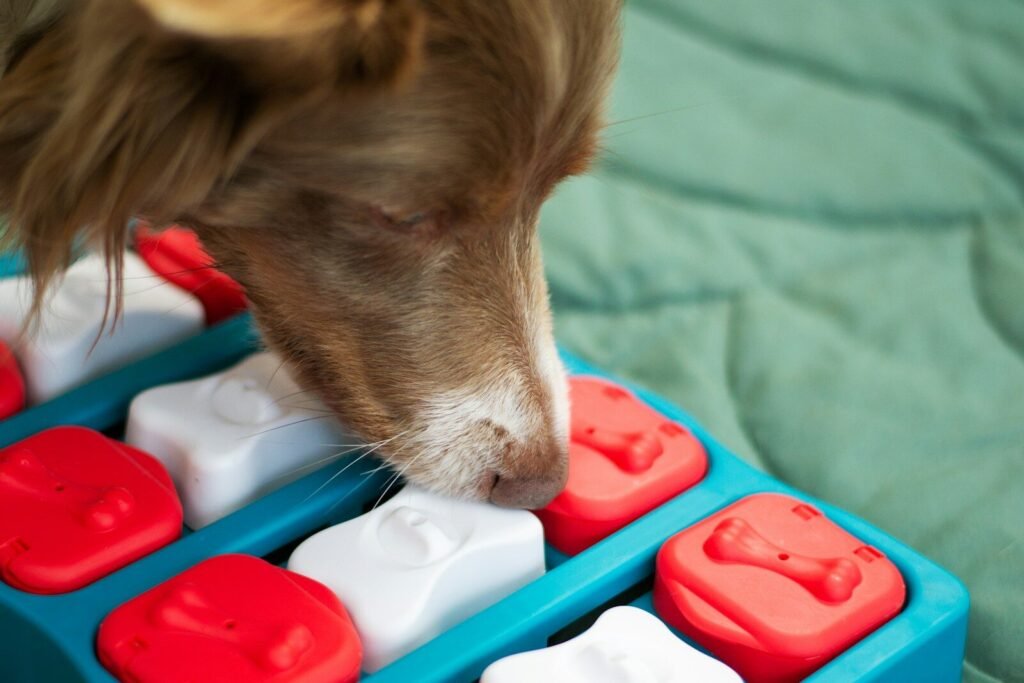
Set up enrichment at home. Snuffle mats, lick mats, frozen Kongs, and scent work games drain mental energy without social exposure. Our collection of DIY brain games for dogs has 7 free ideas using household items.
Plan rest days. One full day a week with no training, no big walks. Your dog needs the recovery, and so do you.
Find your people. The r/reactivedogs subreddit is one of the best support communities online. Your friend with the easy golden retriever doesn’t understand. Other reactive dog owners do.
You Are Doing the Work
Owning a reactive dog is one of the most demanding jobs in pet ownership. You are not lazy, you didn’t ruin your dog, and you are not alone.
The owners who succeed aren’t the ones with perfect dogs. They’re the ones who showed up consistently and stayed honest about what their dog needs.
Your dog doesn’t need to love every other dog at the park. Your dog doesn’t need to greet strangers. Your dog needs to feel safe enough to exist in the world, and you’re the person teaching them how.
Start with the Week 1 audit this weekend. The rest follows.
Veterinary Disclaimer: This article is for educational purposes only and does not replace professional veterinary advice.
About the Author
Faizan is the founder and writer behind Complete Dog Guide, a blog dedicated to helping dog owners with practical, well-researched information on dog food, care, grooming, and training. With 5 years of experience in content writing and blogging, he spends hours digging through veterinary publications, official guidelines from organizations like the ASPCA, AKC, AAFCO, and the Merck Veterinary Manual to make sure every article is backed by reliable sources.












Pingback: How to Calm an Anxious Rescue Dog: Science-Backed Steps