Now Reading: Can Dogs Eat Jelly? Safety Risks Explained
- 01
Can Dogs Eat Jelly? Safety Risks Explained

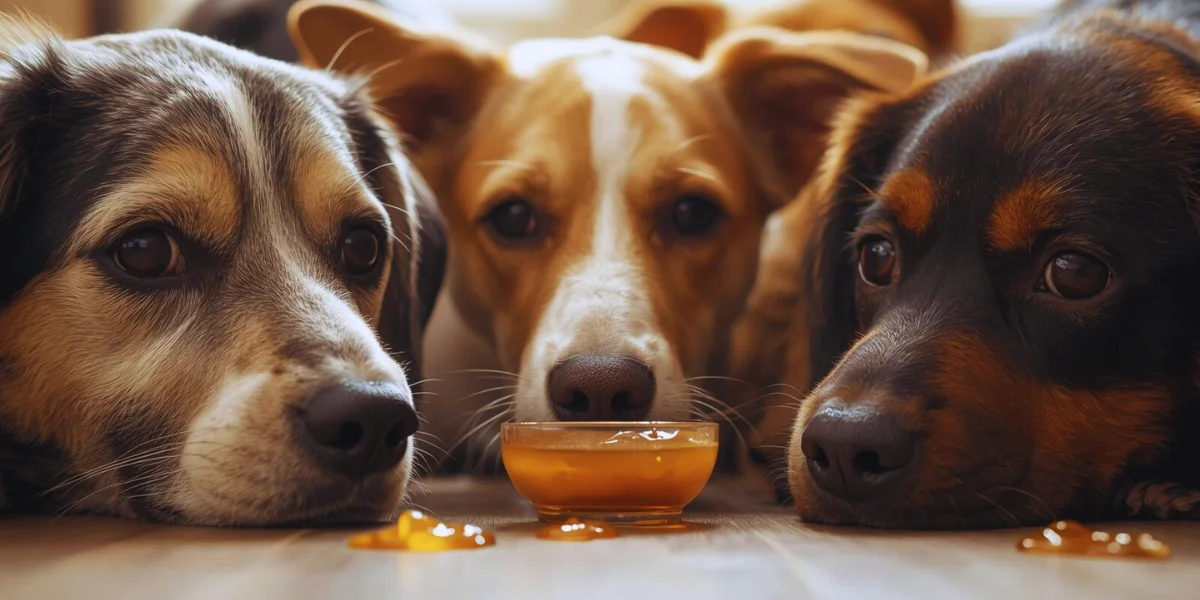
This is one of those foods that seems harmless but can turn into an emergency visit depending on what is in it. This is one of those foods that seems completely harmless sitting on your breakfast table, but depending on what is in it, even a small amount could send your dog to the emergency vet. Here is what you need to know before your dog gets into the jelly jar.
Why Jelly Is a Problem for Dogs?
Most people assume that since jelly is made from fruit, its ingredients can’t be too bad for them. Unfortunately, most commercial jellies contain much more than fruit. They include concentrated sugar; pectin (a natural substance used as a gelling agent); artificial flavourings; and sometimes sweetener substitutes such as xylitol. Xylitol has been known to cause rapid onset vomiting, diarrhea, and death in dogs when consumed. Additionally, grape jelly adds yet another layer of danger due to the fact that grapes are also toxic to dogs, whether they are eaten fresh or processed into jelly. Therefore, the amount of risk involved with consuming store-bought jelly is directly related to what is inside your jar, making it crucial to check the labels rather than simply
Why Jelly Is Risky for Dogs
Jelly is typically made from fruit juice, sugar, and pectin. Commercial versions may also include artificial sweeteners, preservatives, and flavour enhancers.
Here’s where the danger lies:
| Ingredient | Risk Level | Why It Matters |
| Refined sugar | Moderate | Obesity, diabetes, dental disease |
| Xylitol | Severe | Hypoglycemia, liver failure |
| Grapes | Severe | Kidney failure |
| Artificial additives | Low–Moderate | Digestive upset |
Dogs process sugars differently than humans. Frequent exposure increases the risk of pancreatitis, inflammation, and metabolic strain.
The Xylitol Danger (Most Serious Risk)
Xylitol is an artificial sweetener found in many “sugar-free” jellies.
In dogs, xylitol causes a rapid insulin spike. That sudden insulin release leads to hypoglycemia (dangerously low blood sugar). Symptoms can appear within 10–60 minutes and may include:
- Vomiting
- Weakness
- Loss of coordination
- Seizures
- Collapse
According to the American Veterinary Medical Association and the ASPCA Animal Poison Control Center, xylitol ingestion is a veterinary emergency. Even small amounts can cause liver failure.
If the jelly label says “sugar-free,” do not give it to your dog under any circumstances.
Is Grape Jelly Dangerous?
Yes. Grapes are toxic to dogs, and grape jelly may carry similar risks. While the exact toxic mechanism is still being studied in veterinary toxicology, grape ingestion has been linked to acute kidney failure.
This risk is very different from questions like whether dogs eat sweet potato fries, where preparation and seasoning determine safety rather than the fruit’s inherent toxicity.
It doesn’t matter whether the product is fresh grapes, raisins, or grape-based jelly. Avoid all grape-derived foods.
What Happens If a Dog Eats Jelly?
The outcome depends on the type and amount consumed.
If It’s Regular High-Sugar Jelly
- Mild vomiting
- Diarrhea
- Temporary stomach upset
If It Contains Xylitol or Grapes
- Rapid hypoglycemia
- Seizures
- Liver damage
- Kidney failure
Smaller dogs are at higher risk due to body weight. Puppies are also more vulnerable.
What To Do If Your Dog Eats Jelly
Follow these steps:
- Check the ingredient label immediately.
- Look specifically for xylitol or grape derivatives.
- Monitor for symptoms like lethargy or vomiting.
- Contact your veterinarian right away if you consumed sugar-free or grape-based jelly.
You can also call the ASPCA Animal Poison Control Center for guidance. Quick action significantly improves outcomes.
Is Homemade Jelly Safer?
Homemade jelly without artificial sweeteners is less dangerous, but it still contains high sugar. Dogs do not need sugary foods.
Even natural fruit sugars can contribute to:
- Weight gain
- Canine diabetes
- Pancreatitis
Just because it’s natural doesn’t mean it’s appropriate for dogs.
Jelly vs Jam vs Preserves: Is There a Difference?
From a dog safety perspective, not significantly.
| Spread Type | Texture | Risk to Dogs |
| Jelly | Clear, strained | High if grape or sugar-free |
| Jam | Contains fruit pulp | Similar risk |
| Preserves | Larger fruit pieces | Similar risk |
The concern is always the ingredient list — not the texture.
Can You Use Jelly to Hide Medication?
Some owners consider spreading jelly over pills. It isn’t recommended.
Safer alternatives include:
- Dog-specific pill pockets
- Plain peanut butter (xylitol-free only)
- Soft vet-approved treats
Always check labels carefully.
Are There Any Safe Sweet Alternatives?
If your dog enjoys sweet flavours, choose safer options:
- Blueberries
- Strawberries (in moderation)
- Small banana slices
- Plain pumpkin puree
These provide fiber and nutrients without excessive sugar concentration.
Why Sugar Matters Long-Term
Chronic exposure to sugary foods increases the risk of:
- Obesity
- Dental disease
- Insulin resistance
- Pancreatic stress
Dogs evolved alongside humans, but their digestive systems are not built for processed sweets. Prevention is far easier than managing long-term disease.
Decision Framework: Should You Give Jelly?
Ask yourself:
- Does it contain xylitol? If yes, never.
- Is it grape-based? Avoid completely.
- Does it offer any nutritional benefit? No.
- Is there a safer alternative available? Yes.
The safest choice is not to offer jelly at all.
What Makes Jelly Different from Other Sweet Foods?
Most dog owners are aware that chocolate is bad for their pets. However, many pet owners do not realize how bad jelly is for their dogs until they see the serious consequences of giving them jelly as a “treat”. Jelly seems like a harmless alternative or addition to a typical dog treat. Many pet owners feel comfortable giving their pets jelly because it appears to be an ordinary item used at meals, such as toast and peanut butter.
The difference in what jelly contains compared to whole fruits (fruits themselves) is the primary reason why jelly is bad for your dogs. Whole fruits provide both fiber and moderate levels of naturally occurring sugars. In contrast, jelly is primarily a mixture of pure sugar and pectin, along with artificial flavourings and sometimes preservatives. Additionally, some companies produce “sugar-free” jelly using artificial sweetener Xylitol. This is where the problem begins with your dogs.
Xylitol is the most commonly used sugar substitute found in sugar-free jelly. A small amount of Xylitol consumed by your dogs will quickly result in a drop in their blood glucose level, damage to their livers, and potentially death. The ASPCA Poison Control Center has noted that xylitol consumption has become one of the leading causes of emergency vet visits in the U.S.
While regular jelly does not have the potential to kill your dogs right away, there is absolutely no nutritional benefit in feeding it to your dogs. Over time, eating regular jelly can lead to a host of health issues, including obesity, tooth decay, and stomach upsets due to excessive sugar content.
Better Options for Your Dog Than Jelly to Give Them A Fruit Flavour
If your dog likes sweets, you have many choices to consider when looking at giving your dog a fruit-flavoured treat. While fruits are full of natural sugars they also contain several nutrients (e.g., vitamins & minerals) and other compounds that could be beneficial for dogs. The following fruits are safe for your dog to consume.
One of the safest and healthiest is blueberries. Blueberries are very low in calories but rich in antioxidants. Most dogs will find the flavour and texture appealing, and blueberries can be served either fresh or frozen, depending on the time of year.
Another option is sliced watermelon that has had all seeds and rinds removed. Sliced watermelon is a good source of hydration and provides a great deal of natural sweetness without providing the high sugar content found in jelly.
Banana slices are a good alternative as an occasional snack or reward during training. Bananas are soft, easy to eat, and provide potassium. Banana slices, however, need to be eaten in moderation since they do provide a significant amount of calories per slice.
Unsweetened applesauce is another alternative. Applesauce works as a “food topping” for fussy-eating dogs. Be certain that it is free from added sugars and xylitol prior to adding this to their meals.
When using fruit as a treat, remember moderation. According to veterinary feeding guidelines, treats (including fruit) should comprise less than 10% of your dog’s total caloric needs each day.
Bottom line:
Keep jelly away from your dog. If they already ate some, check the label for xylitol and call your vet immediately.
Disclaimer: This article is for informational purposes only and does not substitute professional veterinary advice. Always consult a licensed veterinarian before making any health or dietary decisions for your dog.
About The Author
Faizan is the founder and writer behind Complete Dog Guide, a blog dedicated to helping dog owners with practical, well-researched information on dog food, care, grooming, and training. With 5 years of experience in content writing and blogging, he spends hours digging through veterinary publications, official guidelines from organizations like the ASPCA, AKC, AAFCO, and the Merck Veterinary Manual to make sure every article is backed by reliable sources.
Complete Dog Guide does not provide veterinary advice. Every health-related article on this site is researched using published veterinary data and clearly cites its sources. If your dog has eaten something harmful, always contact your veterinarian first.