Now Reading: Can Dogs Have Bad Dreams? Signs and Solutions
- 01
Can Dogs Have Bad Dreams? Signs and Solutions

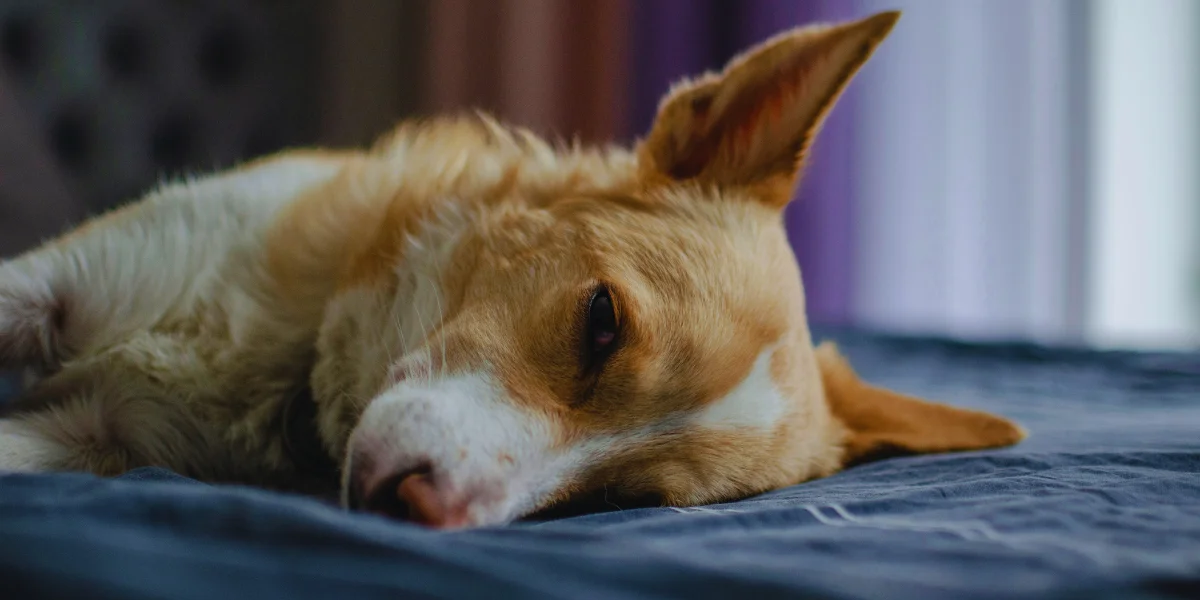
Yes, dogs can have bad dreams.
Just like humans, dogs go through REM (Rapid Eye Movement) sleep, the stage linked to vivid dreaming. During this phase, brain activity increases, emotional memories are processed, and subtle muscle movements may occur. That’s why you might see twitching paws, soft barks, or even whimpering while your dog sleeps.
Most of the time, it’s completely normal. But sometimes, nighttime behaviour raises questions. Let’s break it down clearly.
Can Dogs Have Bad Dreams?
Yes, dogs can have bad dreams. During REM sleep, they may twitch, whimper, or bark as they process daily experiences, stress, or emotional memories.
Do Dogs Actually Dream?
Research into canine sleep cycles shows that dogs experience REM sleep similar to humans. During this phase:
- The brain is highly active
- Eyes move behind closed lids
- Muscles relax (controlled by the brainstem’s pons)
- Memory processing occurs
Because dogs process daily experiences emotionally, their dreams likely reflect real events, such as running, playing, meeting new dogs, or even stressful situations.
If good experiences replay, difficult ones can too.
What Do Dog Nightmares Look Like?
Not every twitch is a nightmare. Here’s how to tell the difference.
Normal Dreaming Signs
- Gentle paw twitching
- Soft tail flicks
- Quiet muffled barks
- Brief body jerks
These typically last under a minute.
Possible Nightmare Indicators
- Whimpering or crying
- Growling with tension
- Sudden startled waking
- Rapid breathing
- Yelping
If your dog wakes disoriented or snaps reflexively, it may have been a more intense dream.
Nightmare vs Seizure: How to Tell the Difference
This is one of the most common worries among pet owners.
| Feature | Nightmare | Seizure |
| Duration | Short (seconds) | May last longer |
| Body movement | Rhythmic twitching | Rigid or violent jerking |
| Awareness after | Wakes quickly | Confused or disoriented |
| Drooling | Rare | Common |
| Loss of bladder | Rare | Possible |
If your dog becomes stiff, drools excessively, loses bladder control, or remains confused for several minutes, contact a veterinarian immediately.
Why Do Dogs Have Bad Dreams?

Dogs process emotional memory during sleep. If something stressful happened during the day, it may replay at night, and in some cases, this can contribute to behaviours like how dogs howl at night.
Common triggers include:
- Loud noises (fireworks, thunderstorms)
- Vet visits
- Conflict with another dog
- Changes in routine
- Moving homes
- Separation anxiety
Rescue dogs or those with trauma histories may be more prone to intense sleep vocalizations.
Puppies Vs Adult Dogs Vs Senior Dogs
Puppies
Puppies spend more time in REM sleep because their brains are developing rapidly. Frequent twitching and soft cries are common and usually harmless.
Adult Dogs
Adult dogs dream about daily activities. Highly active or mentally stimulated breeds may show more vivid dream movement.
Senior Dogs
Older dogs may experience disrupted sleep patterns. Canine Cognitive Dysfunction, sometimes compared to human dementia, can cause increased nighttime confusion or restlessness.
If a senior dog suddenly develops frequent, intense episodes, schedule a veterinary evaluation.
Should You Wake a Dog Having a Bad Dream?
In most cases, no. Waking a dog abruptly during REM sleep can cause confusion or defensive snapping. Instead:
- Call their name softly.
- Make a gentle noise nearby.
- Avoid touching their face.
If the episode lasts longer than a minute or becomes intense, gradual interruption is safer than sudden contact.
When Should You Call a Vet?
Occasional nightmares are normal. Seek veterinary advice if:
- Episodes happen daily
- Your dog becomes aggressive after waking
- There is body stiffening or drooling
- Confusion lasts several minutes
- Behavior changes during the daytime
A veterinarian may assess for neurological conditions, anxiety disorders, or sleep disturbances.
Can Trauma Cause Nightmares in Dogs?
Yes. Dogs with past trauma, especially rescue dogs, may show signs of distress during sleep. While there’s no confirmed canine equivalent of human PTSD diagnosis standards, behavioral specialists recognize trauma-linked anxiety patterns.
Signs may include:
- Night crying
- Startling easily
- Avoidance behaviors
- Increased clinginess
Behavioral training, structured routines, and anxiety management can help reduce frequency.
How to Reduce Bad Dreams in Dogs
You can’t eliminate dreams, but you can reduce stress triggers.
- Improve the Sleep Environment
- Quiet sleeping area
- Consistent bedtime
- Comfortable bed
- Temperature control
- Reduce Daily Stress
- Regular exercise
- Mental enrichment toys
- Predictable routines
- Positive reinforcement training
- Address Anxiety
If Anxiety is persistent, options may include:
- Behavioural therapy
- Calming pheromone diffusers
- Vet-prescribed anti-anxiety medication
Never use human sleep aids. They may be harmful for dogs.
Are Dog Nightmares Dangerous?
In most cases, no. Nightmares are part of normal REM sleep processing. They only become concerning if paired with neurological signs, extreme aggression, or frequent episodes.
The key is pattern recognition, not isolated events.
Frequently Asked Questions
Q: Do Dogs Remember Bad Dreams?
There is no strong evidence that dogs consciously recall dreams after waking.
Q: Is it Normal for Dogs to Cry in Their Sleep?
Yes. Occasional whimpering or soft crying is common during REM sleep.
Q: How Long do Dog Nightmares Last?
Typically under one minute.
Q: Why Does my Dog Shake While Sleeping?
Most shaking during sleep is dream-related muscle activation.
Q: Should I Pet my Dog During a Nightmare?
Avoid direct contact. Use your voice gently instead.
Q: Are Nightmares more Common in Rescue Dogs?
Dogs with trauma histories may show more intense sleep vocalizations.
Q: Can Anxiety Cause Bad Dreams in Dogs?
Yes. Chronic stress and separation anxiety may increase REM disturbances.
Q: Do Puppies have More Nightmares?
Puppies experience more REM sleep, so they often move and vocalize more during sleep.
Disclaimer: This article is for informational purposes only and does not substitute professional veterinary advice. Always consult a licensed veterinarian before making any health or dietary decisions for your dog.
Conclusion
Dogs can have bad dreams, and most of the time, it’s completely normal.
Gentle twitching, quiet barking, or brief whimpering usually reflect healthy REM sleep and emotional memory processing. The real concern arises when episodes are frequent, intense, or accompanied by neurological symptoms.
Observe patterns. Stay calm. And if something feels abnormal, consult your veterinarian for guidance.
Understanding the difference between normal dreaming and medical concern gives you confidence and keeps your dog safe.