Now Reading: Do Dogs Have Eyebrows or Just Facial Muscles
- 01
Do Dogs Have Eyebrows or Just Facial Muscles

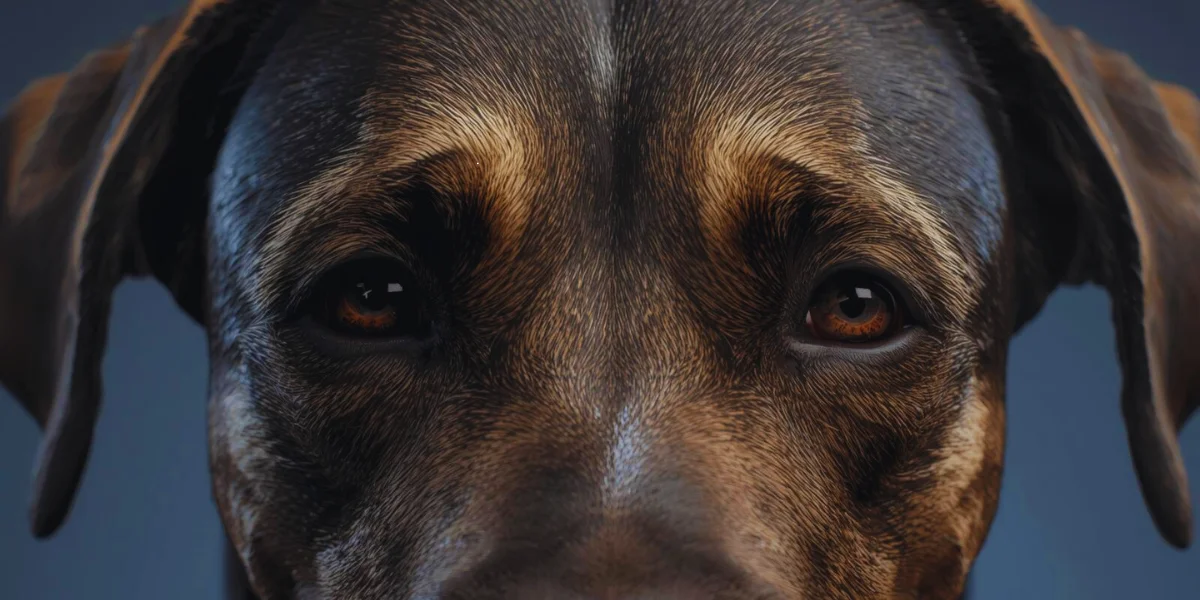
Short answer: Dogs do not have eyebrows like humans, but they do have specialized facial muscles that create eyebrow-like movement.
Humans have distinct eyebrow hairs above the eye sockets. Dogs, however, have fur covering the brow ridge and a set of facial muscles that allow subtle lifting, especially at the inner brow.
That movement is what creates the famous “puppy dog eyes.”
Do Dogs Have Eyebrows?
Dogs do not have eyebrows as humans do, but they do have specialized facial muscles that produce eyebrow-like movements. These muscles allow subtle inner brow lifts that enhance expression and communication.
The Anatomy Behind Dog “Eyebrows”
In canine facial anatomy, the key muscle involved is the levator anguli oculi medialis. This small but powerful muscle allows dogs to raise their inner brow, giving their eyes a larger, softer appearance.
Unlike humans, dogs don’t have separate eyebrow hair structures. Instead, they rely on:
- Facial muscle movement
- Brow ridge flexibility
- Fur patterns or pigmentation markings
Researchers using the DogFACS (Dog Facial Action Coding System) have documented how dogs activate specific facial muscles to communicate with humans.
It isn’t random. It’s biology shaped by evolution.
Dogs Vs Wolves: What Changed?
Domestic dogs, scientifically known as Canis lupus familiaris, are descendants of the gray wolf, Canis lupus. But their facial anatomy isn’t identical.
Comparative anatomy studies, including research published in Scientific Reports and conducted by scientists at the University of Portsmouth, found that domestic dogs have more developed inner brow muscles than wolves.
Wolves show limited inner brow movement. Dogs show enhanced mobility.
Domestication Theory
During domestication, dogs that communicated effectively with humans were more likely to survive and bond with humans. Over thousands of years, subtle facial expressiveness became an advantage.
That inner brow raise:
- Makes eyes look larger
- Triggers caregiving instincts
- Strengthens social bonding
It’s a powerful evolutionary adaptation tied to human-dog relationships.
Why Do Dogs Raise Their Eyebrows?
If you’ve ever wondered, “Why does my dog raise his eyebrow at me?” you’re not alone.
Dogs raise their inner brows for several reasons:
- Attention-seeking
- Appeasement behavior
- Social bonding
- Curiosity
- Mild uncertainty
This expression often resembles sadness. But in many cases, it’s not sadness at all. It’s communication.
Are Dog Eyebrow Markings Real Eyebrows?
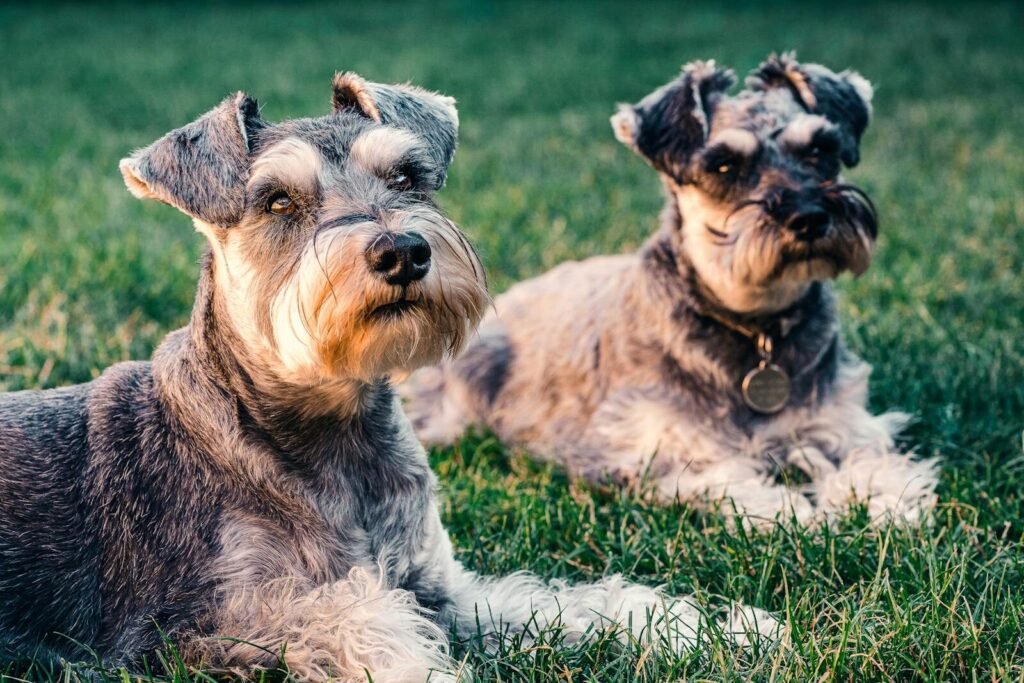
Some breeds appear to have defined eyebrows due to coat pigmentation.
Examples include:
- Rottweilers
- Doberman Pinschers
- Bernese Mountain Dogs
These light-colored spots above the eyes are markings, not actual eyebrow hair structures.
Here’s a quick comparison:
| Feature | Humans | Dogs |
| Separate eyebrow hair | Yes | No |
| Inner brow lifting muscle | Yes | Yes |
| Pigmented “eyebrow” patches | Rare | Common in some breeds |
| Emotional signaling role | Strong | Strong |
The confusion often stems from anthropomorphism, the projection of human features onto animals.
Do Dogs Use Eyebrows to Manipulate Humans?
Not intentionally in the human sense.
However, adoption behavior studies suggest that dogs that frequently display inner brow raises are adopted more quickly from shelters.
That doesn’t mean manipulation. It reflects enhanced communication and a deeper understanding of dogs with humans‘ interaction patterns. Dogs evolved alongside humans. Expressive faces strengthened bonds. Over time, those traits became more common.
How to Tell Emotional Expression from Medical Concern
Most eyebrow movement is normal. But sometimes asymmetry can signal health issues.
Normal Brow Movement
- Symmetrical
- Occurs during interaction
- Changes depending on the situation
- The dog remains active and alert
Possible Medical Concern
- One side of the face droops
- Persistent asymmetry
- Swelling near the eye
- Accompanied by lethargy
Facial nerve paralysis or nerve injury can affect muscle control. If you notice sudden changes, consult a veterinarian. Don’t assume emotion when there may be a neurological cause.
Can Dogs Control Their Eyebrows Independently?
Dogs have less independent brow control than humans. Some can lift one inner brow slightly, especially during focused attention.
But most eyebrow movement is reflexive or socially triggered.
They are not consciously crafting expressions the way humans might.
Do All Dog Breeds Have Eyebrow Movement?
Most breeds possess the levator anguli oculi medialis muscle. However, expression intensity varies.
Breeds known for strong facial expressiveness include:
- Labrador Retrievers
- Cavalier King Charles Spaniels
- Boxers
Flat-faced breeds may exhibit more pronounced brow movement due to differences in facial structure.
Do Dogs Feel Sad When They Make “Puppy Eyes”?
The classic “puppy dog eyes” expression is often interpreted as a sign of sadness.
In reality, it usually signals:
- Attention-seeking
- Social engagement
- Appeasement
- Mild uncertainty
Dogs do experience emotions, but the inner brow raise does not automatically mean sadness. Understanding full body language, ears, tail, and posture is essential.
How Dogs Use Facial Expressions to Communicate
Dogs rely on a combination of:
- Eye movement
- Brow lifting
- Ear position
- Mouth tension
- Tail signals
The brow is just one piece of the communication system.
Studies on canine cognition show that dogs are highly attuned to human faces. They respond differently when humans are looking at them than when they are looking away. That suggests their facial expressions are part of interactive communication, not random muscle movements.
Quick Checklist: Are You Misreading Your Dog?
Before assuming sadness, ask:
- Is the body relaxed?
- Is the tail neutral or wagging?
- Are the ears soft rather than pinned back?
- Does the expression change quickly?
If yes, it’s likely normal social signaling.
If no, and symptoms persist, seek professional advice.
The next time your dog gives you those wide, pleading puppy eyes, you will know exactly what is happening. It is not guilt. It is not sadness. It is thousands of years of evolution doing exactly what it was designed to do: making you fall in love.
FAQ’s
What Muscle Lets Dogs Raise Their Eyebrows?
The levator anguli oculi medialis allows dogs to lift their inner brows.
Do Wolves have Eyebrows Like Dogs?
Wolves have less developed inner brow muscles and show reduced eyebrow movement.
Is Eyebrow Movement a Sign of Pain?
Not usually. However, sudden facial asymmetry may indicate nerve issues and should be checked by a veterinarian.
Are Dog Eyebrow Markings Genetic?
Yes. Coat color and markings are genetically determined traits.
Veterinary Disclaimer: This article is for educational purposes only and does not replace professional veterinary advice. If your dog has eaten something potentially harmful, contact your veterinarian or the ASPCA Animal Poison Control Center at (888) 426-4435 immediately.
About the Author
Faizan is the founder and writer behind Complete Dog Guide, a blog dedicated to helping dog owners with practical, well-researched information on dog food, care, grooming, and training. With 5 years of experience in content writing and blogging, he spends hours digging through veterinary publications, official guidelines from organizations like the ASPCA, AKC, AAFCO, and the Merck Veterinary Manual to make sure every article is backed by reliable sources.
Complete Dog Guide does not provide veterinary advice. Every health-related article on this site is researched using published veterinary data and clearly cites its sources. If your dog has eaten something harmful, always contact your veterinarian first.