Now Reading: Do Dogs Pant When Happy? A Complete Guide for Dog Owners
- 01
Do Dogs Pant When Happy? A Complete Guide for Dog Owners

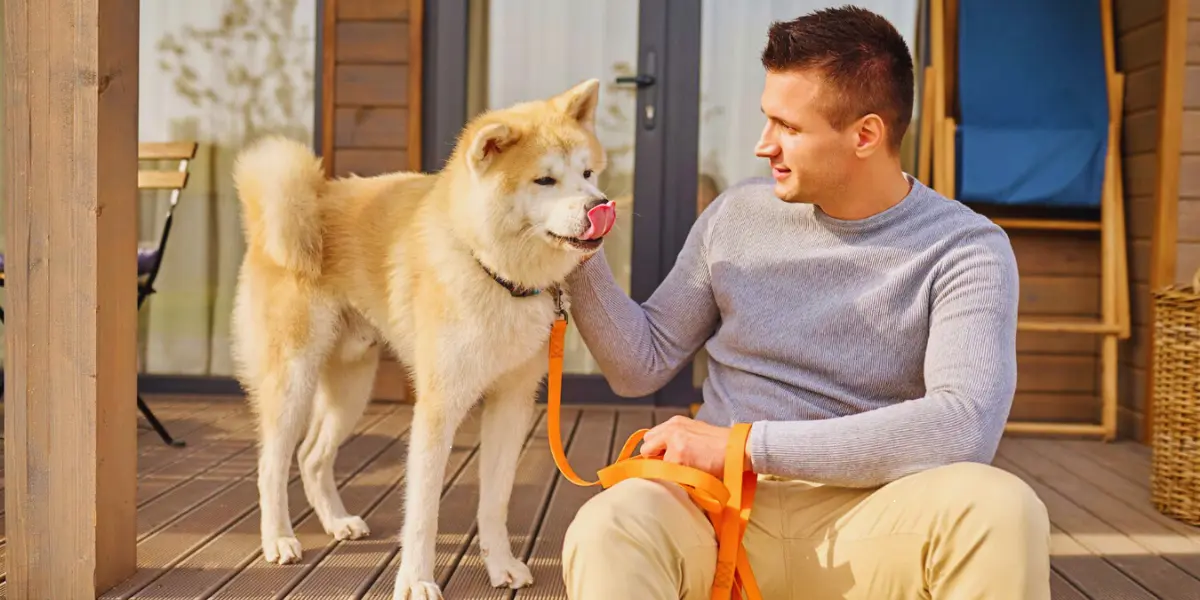
Yes, dogs can pant when they’re happy, especially during excitement, play, or emotional arousal. But panting can also signal stress, overheating, or illness. The difference lies in context, body language, and intensity.
Understanding why dogs pant helps you avoid missing a medical emergency while giving you peace of mind when it’s just joy.
This guide breaks down the science, the warning signs, breed differences, and a simple, step-by-step system for evaluating your dog safely.
Do Dogs Pant When Happy?
Yes, dogs pant when they’re happy, especially during excitement, play, or emotional arousal. The key is reading context and body language to ensure it’s joyful panting, not heat, stress, or illness.
Why Do Dogs Pant in the First Place?
Panting is part of normal canine thermoregulation. Unlike humans, dogs don’t sweat efficiently. They cool themselves by rapidly breathing through an open mouth.
When a dog pants:
- Moisture evaporates from the tongue and airways
- Heat leaves the body
- Breathing rate increases temporarily
According to guidance from organizations such as the American Kennel Club (AKC) and the American Veterinary Medical Association (AVMA), light panting after activity is normal.
But panting isn’t only about temperature.
Can Dogs Pant When They’re Happy?
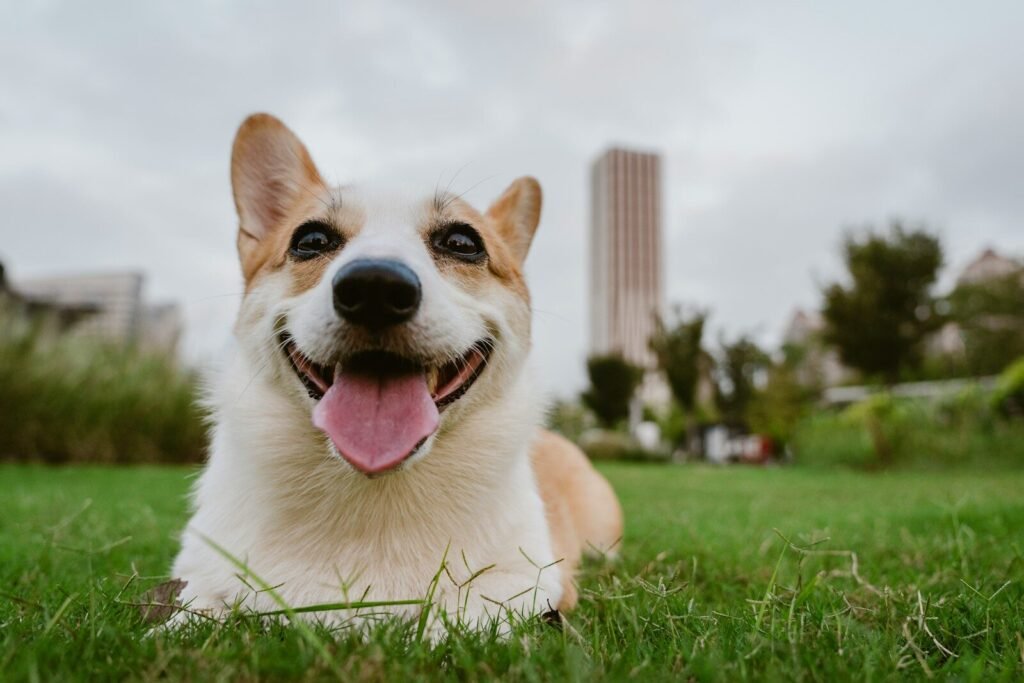
Yes. Dogs often pant during excitement, anticipation, and positive emotional arousal.
It happens because the sympathetic nervous system activates during strong emotions, both positive and negative. When your dog sees you after work, plays fetch, or meets a favourite person, adrenaline rises. Breathing speeds up. Panting follows.
Signs It’s Likely Happy Panting
Look for:
- Relaxed body posture
- Loose, wagging tail
- Soft eyes
- Open, relaxed mouth
- Play bow behaviour
- Ears in neutral position
Panting, tail wagging, and bouncing energy usually equal excitement, not danger.
What Does It Mean When a Dog Pants and Wags Its Tail?
In most cases, this combination indicates positive stimulation—playfulness, anticipation, or joy.
However, watch the quality of the tail wag:
- Wide, loose wag = relaxed happiness
- High, stiff wag = possible tension
Body language always matters more than one isolated sign.
The Science Behind Emotional Panting
When dogs experience strong emotions, their bodies release stress hormones such as cortisol and adrenaline. Even joyful excitement activates this response. Interestingly, because dogs understand humans so well, they often react strongly to our tone, movements, and routines.
It increases:
- Heart rate
- Respiratory rate
- Muscle readiness
Panting becomes a natural byproduct of emotional arousal.
That’s why your dog may pant when:
- You grab the leash
- Guests arrive
- During car rides
- While being petted
Excitement panting usually stops once the stimulation decreases.
Normal vs. Concerning Panting
| Feature | Happy / Normal Panting | Stress / Heat Panting |
| Trigger | Play, excitement | Heat, anxiety, illness |
| Duration | Short-term | Prolonged |
| Tongue | Relaxed, normal colour | Very extended, bright red |
| Gum colour | Pink | Pale, bright red, or bluish |
| Behaviour | Playful, engaged | Restless, pacing, drooling |
| Breathing | Fast but controlled | Heavy, laboured, irregular |
If panting occurs without exercise, heat, or stimulation, investigate further.
How to Check if Your Dog’s Panting Is Normal
Follow this quick self-check system:
Step 1: Assess the Environment
- Is it hot?
- Was there recent activity?
- Is your dog excited?
Step 2: Count Respiratory Rate
When resting, count breaths for 30 seconds, then multiply by 2.
Normal resting respiratory rate:
- Small dogs: 20–30 breaths per minute
- Medium/Large dogs: 15–30 breaths per minute
Consistently above 40 at rest may require veterinary attention.
Step 3: Check Body Language
- Is the body loose or tense?
- Are ears relaxed?
- Is the tail natural or stiff?
Step 4: Check Gums
Lift the lip gently.
Healthy gums are pink and moist.
If you see pale, blue, or bright red gums, seek immediate care.
When to Worry About Dog Panting
Contact a licensed veterinarian or 24-hour animal hospital near you if panting is accompanied by:
- Vomiting
- Collapse
- Disorientation
- Excessive drooling
- Shaking
- Pain sensitivity
- Pale or blue gums
- Panting at night with no trigger
Search terms like “emergency vet near me” or “heatstroke treatment for dogs near me” become relevant in these situations.
Signs of Heatstroke in Dogs
Heatstroke is life-threatening. Warning signs include:
- Rapid, heavy panting
- Thick drool
- Weakness
- Vomiting
- Bright red tongue
- Body temperature above 104°F (40°C)
Use tools like:
- Infrared thermometer
- Cooling mats
- Hydration monitoring
Move the dog to a cool area immediately and contact an emergency veterinary clinic.
Dog Panting Indoors or at Night
If your dog is panting indoors or while resting, consider:
- Anxiety disorders in dogs
- Noise sensitivity
- Pain (arthritis in seniors)
- Heart or lung conditions
- Cognitive dysfunction in older dogs
- Sleep disturbances, especially if dogs have bad dreams
Senior dogs and puppies require extra monitoring. If panting disrupts sleep repeatedly, schedule a veterinary check.
Breed Differences: Some Dogs Pant More
Certain breeds are prone to breathing difficulties.
Brachycephalic Breeds
Short-nosed dogs like the French Bulldog and Pug often experience breathing strain due to airway structure. It is linked to brachycephalic syndrome. They may pant more even in mild temperatures.
Active Breeds
The Labrador Retriever and other high-energy breeds pant heavily after exercise but recover quickly.
Stress Panting vs Happy Panting
Stress panting often appears with:
- Pacing
- Restlessness
- Whining
- Avoidance behaviour
- Tucked tail
Common triggers:
- Thunderstorms
- Fireworks
- Separation anxiety
- Veterinary visits
Panting linked to anxiety disorders requires behavioural support or professional guidance.
Emotional Arousal Vs Medical Causes
Here’s a quick decision framework:
Ask yourself:
- Was there recent excitement or activity?
- Is your dog acting normally otherwise?
- Does panting stop after calming down?
If yes to all three, it’s likely normal.
If panting:
- Happens at rest
- Persists for long periods
- Appears suddenly without a trigger
Consult your veterinarian.
How Much Panting Is Too Much?
Panting becomes excessive when:
- It continues longer than 10–15 minutes after the activity
- Breathing appears laboured
- The abdomen is visibly working hard
- The dog seems distressed
Persistent heavy panting always deserves attention.
Tools That Help You Monitor Safely
- Cooling mats for warm climates
- Fresh water access
- Digital thermometer
- Infrared thermometer
- Weight management programs
- Calm training tools for anxiety
Preventive care reduces unnecessary risk.
Pros and Cons of Excitement Panting
Pros
- Normal emotional expression
- Indicates engagement
- Shows enthusiasm
Cons
- Can mask early stress
- May escalate in hot weather
- Harder to differentiate in high-risk breeds
Context determines everything.
Special Considerations by Age
Puppies
Pant during play frequently. Usually harmless.
Adult Dogs
Pant after exercise or stimulation. Should recover quickly.
Senior Dogs
Panting may signal pain, heart disease, or discomfort. Monitor closely.
What About Panting During Petting?
If your dog pants while you pet them:
- Are they relaxed with a loose posture? Good sign.
- Are they stiff, avoiding eye contact, or lip-licking? It could be stress.
Happy dogs lean into touch. Stressed dogs freeze.
Preventing Heat-Related Panting
- Avoid midday walks in hot climates
- Provide shade outdoors
- Use cooling mats
- Monitor humidity and heat index
- Never leave dogs in parked cars
Even mild heat can overwhelm certain breeds.
When to Contact a Professional
Seek help if:
- Panting changes suddenly
- It’s paired with coughing or lethargy
- You notice gum colour changes
- Your dog collapses
Contact a licensed veterinarian, an emergency animal hospital, or a local veterinary clinic in your service area for an evaluation.
Most of the time, a panting dog is just a happy dog. But knowing the difference between joy and distress is one of the most useful things you can learn as a dog owner. When in doubt, check the gums, count the breaths, and trust your instincts.
FAQ’s
Why would a dog pant when it is not even warm?
A dog may pant because of excitement or emotional stimulation, such as when you arrive home from a long day of work, when you grab the leash to take a walk, or when they hear a particular noise. Your dog may also be panting if he/she is experiencing stress, anxiety, or pain. A few medical conditions (such as heart failure) can cause panting even though the dog is lying down and relaxing.
When does panting become a medical concern?
Panting requires evaluation by your veterinarian once it lasts longer than 10-15 minutes post-exercise. Panting occurs when your dog lies down to relax, but panting continues, or panting persists when it is paired with other abnormal behaviours such as vomiting, depression, pale gums, or collapsing. The rapid rise and fall of your dog’s chest, along with visible abdominal movement, is indicative of heavy, laboured breathing. Also, any time there is a change in the way your dog breathes (panting), especially in an older dog, seek immediate veterinary care.
Is indoor panting something to worry about?
As mentioned previously, if your dog was running around outside all day and now he/she is lying on his/her bed to sleep, panting away, this is perfectly normal. However, if your dog is panting at night while sleeping at home, while in a cooler climate, and no apparent stimuli occurred before beginning to pant, this is a problem. Another example of panting being a problem would include multiple nights of consistent panting at home.
Do flat-faced breeds pant more than others?
Yes. Due to their unique head shape, brachycephalic breeds (short-nose breeds including pugs, bulldogs, Boston terriers, etc.) will breathe differently than non-brachycephalic breeds. As a result, they will generally pant more often, even in very low temperatures or mildly strenuous activities. Due to their brachycephalic nature, owners of these breeds need to be more vigilant during warm months/years. They should not engage their pets in high-intensity physical exercise and educate themselves regarding the signs of respiratory distress so they recognize that what seems like “normal” panting in a Labrador Retriever could potentially be life-threatening for their Pug.
Veterinary Disclaimer: This article is for educational purposes only and does not replace professional veterinary advice. If your dog has eaten something potentially harmful, contact your veterinarian or the ASPCA Animal Poison Control Center at (888) 426-4435 immediately.
About the Author
Faizan is the founder and writer behind Complete Dog Guide, a blog dedicated to helping dog owners with practical, well-researched information on dog food, care, grooming, and training. With 5 years of experience in content writing and blogging, he spends hours digging through veterinary publications, official guidelines from organizations like the ASPCA, AKC, AAFCO, and the Merck Veterinary Manual to make sure every article is backed by reliable sources.
Complete Dog Guide does not provide veterinary advice. Every health-related article on this site is researched using published veterinary data and clearly cites its sources. If your dog has eaten something harmful, always contact your veterinarian first.