Now Reading: How Do You Get a Scared Dog to Trust You?
- 01
How Do You Get a Scared Dog to Trust You?

A scared dog learns to trust you when they feel safe, calm, and in control of their space. Trust grows through slow movements, gentle behaviour, predictable routines, and positive reinforcement. Rushing, forcing contact, or punishing fear almost always makes the problem worse.
This guide explains why dogs become scared, what actually helps, and how to build trust step by step, whether you’re a dog owner, rescuer, or professional.
How Do You Get a Scared Dog to Trust You?
A scared dog begins to trust you when they feel safe, unpressured, and free to make their own choices. Calm body language, predictable routines, and respecting boundaries create the foundation for trust.
Why Dogs Become Scared
Fear is not bad behaviour. It is a natural survival response.
Common reasons dogs become fearful include:
- Lack of early socialization
- Past trauma or abuse
- Sudden changes in environment
- Loud noises or crowded spaces
- Pain or medical issues
- Genetic anxiety traits
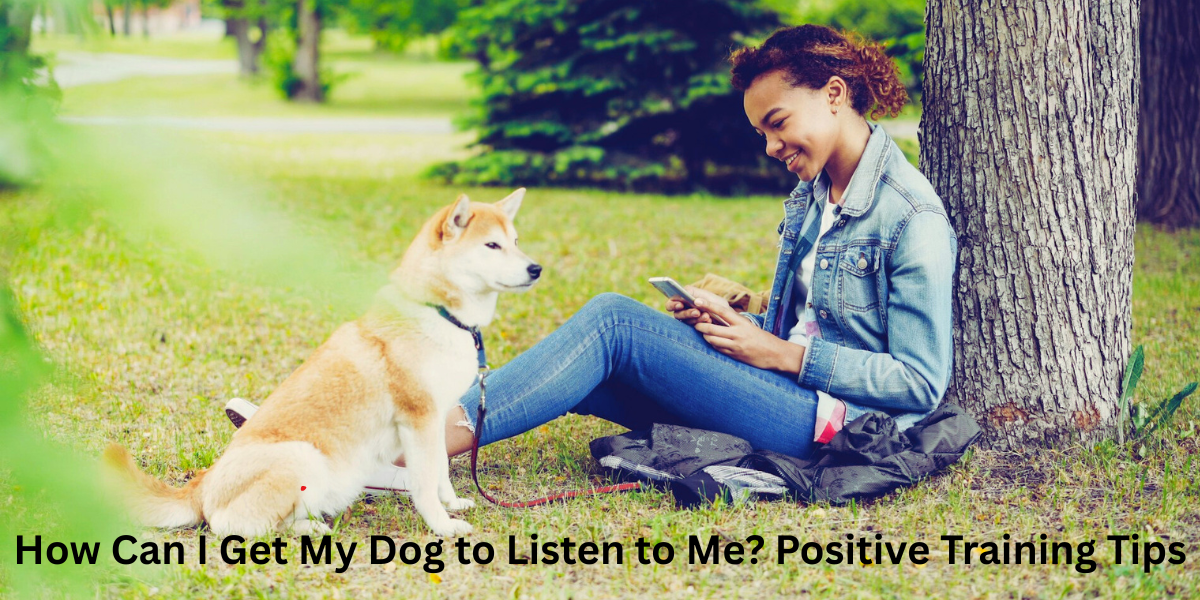
Rescue dogs often carry fear from their past. Some dogs were never taught that the world is safe. Others learned that people can be unpredictable, which can make it harder for owners trying to get their dog to listen to them without first addressing that underlying fear. A scared dog is not refusing to trust you. They are protecting themselves.
Fear vs. Aggression: Know the Difference
Fear and aggression are often confused.
Fear signals include:
- Freezing or hiding
- Trembling
- Avoiding eye contact
- Tucked tail
- Lip licking or yawning
Fear-based aggression may include:
- Growling
- Snapping
- Barking when cornered
Aggression often appears when fear signals are ignored. When a dog feels trapped, they may defend themselves. This is why building trust early is so important.
How Dogs Understand Humans Behaviour
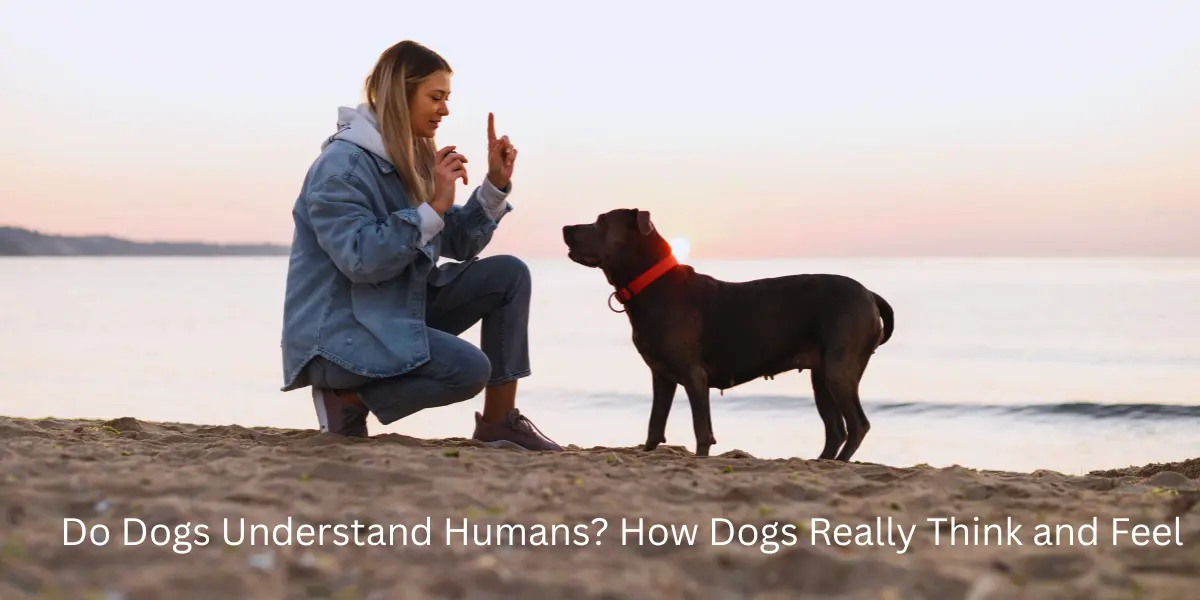
Dogs do not understand words the way humans do. They read body language and energy.
Dogs watch:
- Your posture
- Your movement speed
- Your voice tone
- Your facial expressions
- Your consistency
Things humans do that feel scary to dogs:
- Leaning over them
- Direct staring
- Reaching over the head
- Loud or excited voices
- Fast or sudden movements
To a fearful dog, these actions can feel like threats, even if your intention is love.
The First 10 Minutes Matter Most
Your first interaction sets the emotional tone.
What to do:
- Turn your body sideways
- Sit or stand calmly
- Keep your hands low and still
- Speak softly or stay quiet
- Toss treats away from you
What not to do:
- Do not force petting
- Do not corner the dog
- Do not pick them up
- Do not stare
- Do not punish growling
Growling is a warning, not disobedience. Punishing it removes communication, not fear.
Step-by-Step: How to Get a Scared Dog to Trust You
Step 1: Create a Safe Environment
Trust cannot grow in chaos.
- Keep the space quiet
- Reduce visitors
- Set a daily routine
- Allow the dog an escape route
Safety comes before bonding.
Step 2: Use Calm Body Language
Your body should say, “I am safe.”
- Turn sideways
- Move slowly
- Avoid leaning
- Blink softly
- Keep breathing steady
These signals reduce pressure and help the dog relax.
Step 3: Let the Dog Choose Interaction
Never approach a scared dog for affection.
Reward:
- Looking at you
- Stepping closer
- Sniffing near you
Use high-value treats, but never lure a dog into discomfort.
Step 4: Pair Yourself with Positive Experiences
This is called counter-conditioning.
Your presence should predict:
- Food
- Calm praise
- Relief from pressure
If fear increases, slow down. You moved too fast.
Step 5: Build Predictability
Dogs trust routines more than words.
- Feed at the exact times
- Walk on the same routes
- Respond calmly every time
Predictability creates emotional safety.
How Long Does It Take for a Scared Dog to Trust You?
There is no fixed timeline.
|
Progress is rarely straight. Setbacks are normal.
Should You Ignore a Scared Dog or Help Them?
Both extremes can cause problems.
- Ignoring completely can feel unsafe
- Forcing interaction increases fear
The best approach:
- Be calm and present
- Do not pressure contact
- Reward calm curiosity
Let the dog set the pace.
Tools That Help Build Trust
Helpful tools include:
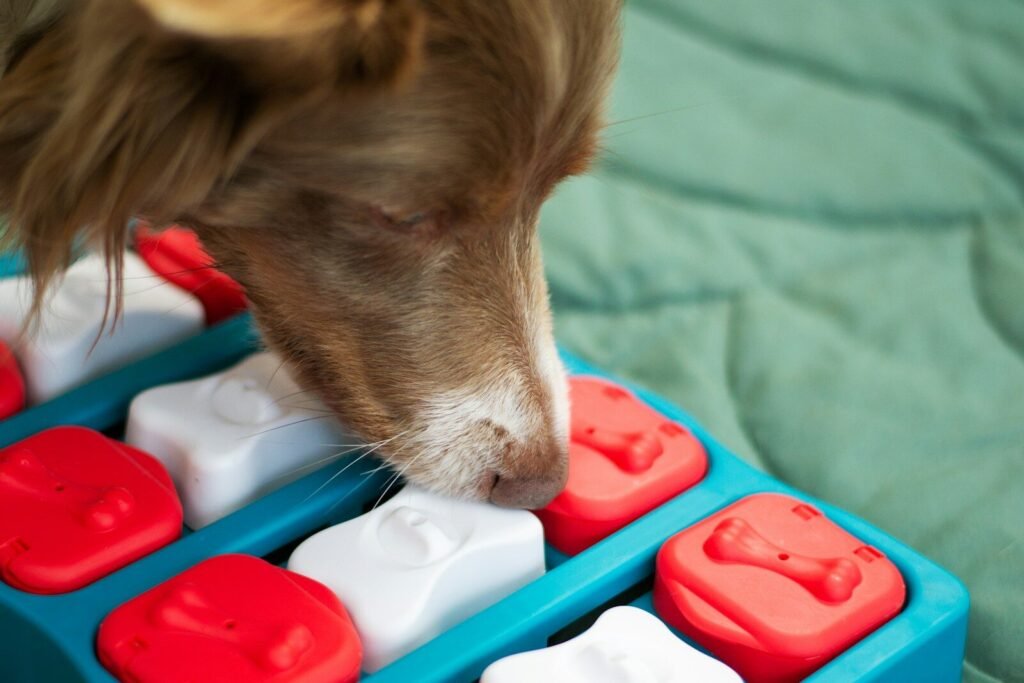
- Snuffle mats for confidence
- Long-lasting chews for stress relief
- Baby gates for a safe space
- Clicker training for clear signals
Effective methods:
- Desensitization
- Counter-conditioning
- Choice-based handling
These methods support humane training and emotional safety.
Common Mistakes That Break Trust
Even loving owners make mistakes.
- Rushing bonding
- Inconsistent rules
- Ignoring stress signals
- Overexposing fear triggers
- Using punishment or dominance
Fear learns fast. Trust needs time.
What If Progress Goes Backwards?
Regression is normal.
Common triggers:
- Loud noises
- New places
- Health issues
- Changes in routine
If this happens:
- Go back to the more manageable steps
- Reduce expectations
- Increase calm routines
Trust is not lost. It just needs rebuilding.
Special Situations
Rescue Dogs
Many follow the 3-3-3 adjustment pattern:
- 3 days to decompress
- 3 weeks to learn the routine
- 3 months to feel safe
Emotional ups and downs are regular.
Puppies
Puppies go through fear stages. Forced exposure can cause long-term anxiety. Gentle guidance works better than pressure.
Dogs With Abuse History
Some dogs react to:
- Certain people
- Loud voices
- Fast movements
Healing is possible, but patience is required.
When to Get Professional Help
You should seek help if:
- The dog shuts down completely
- Fear turns into snapping or biting
- The dog stops eating
- Anxiety gets worse over time
Helpful professionals include:
- Certified dog trainers (CPDT-KA)
- Veterinary behaviourists (DACVB)
- Fear-free certified trainers
Costs vary by region, experience, and case level, but early help prevents bigger problems.
Safety Always Comes First
A scared dog can bite if pushed too far.
Basic safety rules apply whether you’re learning to stop dogs from pulling or building calm behavior at home:
- Supervise children
- Respect warning signs
- Never force contact
- Manage space carefully
Protecting safety protects trust.
FAQ’s
Q: How do you Bond with a Scared Dog?
By giving space, staying calm, and letting the dog choose interaction.
Q: Should you Pet a Scared Dog?
Only if the dog comes to you and shows relaxed body language.
Q: Can Abused Dogs Learn to Trust Again?
Yes. With patience and humane methods, most dogs can rebuild trust.
Q: Why does my Dog Trust Others But not Me?
Tone, posture, and timing matter more than familiarity.
Q: How do you Calm a Fearful Dog Fast?
Lower stimulation, increase distance from triggers, and stay calm.
Q: Can a Scared Dog Bite?
Yes. Fear is a common cause of defensive biting if warnings are ignored.
Q: Are Treats Enough to Build Trust?
No. Treats help, but consistency and safety build real trust.
Conclusion
Helping a scared dog trust you takes patience, calm behaviour, and respect for boundaries. Trust grows through safety, not force. Move slowly. Stay predictable. Reward calm moments.
Trust is not demanded from a scared dog.
It is earned, one safe experience at a time.
Veterinary Disclaimer: This article is for educational purposes only and does not replace professional veterinary advice. If your dog has eaten something potentially harmful, contact your veterinarian or the ASPCA Animal Poison Control Center at (888) 426-4435 immediately.
About the Author
Faizan is the founder and writer behind Complete Dog Guide, a blog dedicated to helping dog owners with practical, well-researched information on dog food, care, grooming, and training. With 5 years of experience in content writing and blogging, he spends hours digging through veterinary publications, official guidelines from organizations like the ASPCA, AKC, AAFCO, and the Merck Veterinary Manual to make sure every article is backed by reliable sources.
Complete Dog Guide does not provide veterinary advice. Every health-related article on this site is researched using published veterinary data and clearly cites its sources. If your dog has eaten something harmful, always contact your veterinarian first.