
Now Reading: How Do You Heat a Dog House Safely in Winter Without Risk
- 01
How Do You Heat a Dog House Safely in Winter Without Risk

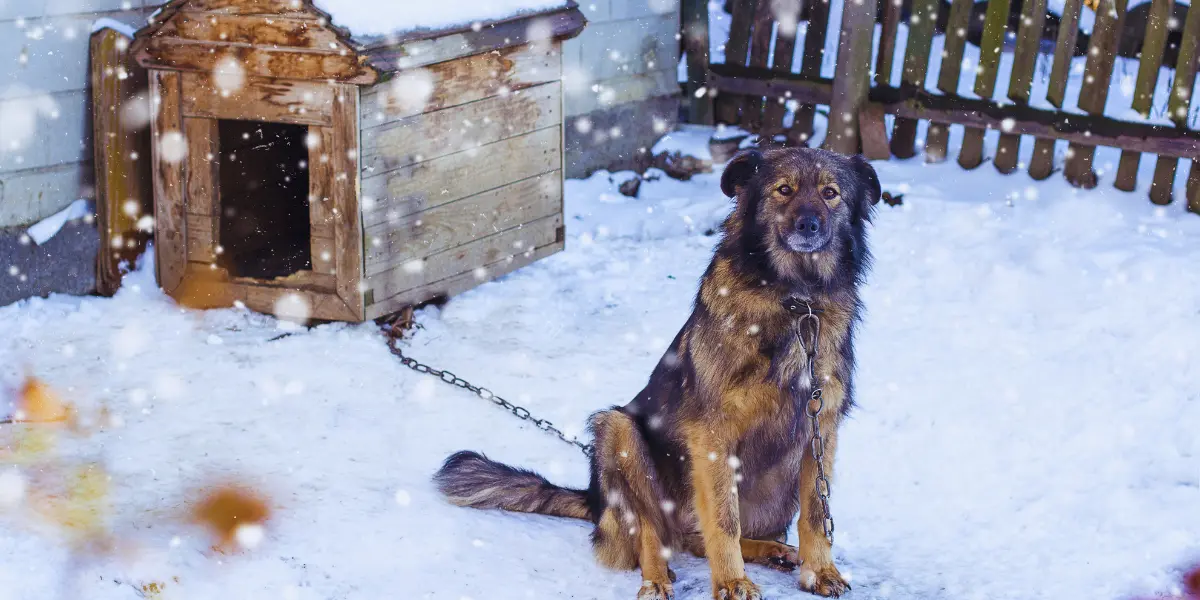
Cold weather can be dangerous for dogs that live outdoors, especially puppies, senior dogs, short-haired breeds, and rescues adjusting to a new environment. Many dog owners ask the same question every winter: how do you heat a dog house safely without risking fire, burns, or other hazards?
The answer is not just about adding heat. In most cases, insulation, shelter placement, and bedding matter more than heaters. When heating is needed, it must be done carefully, using outdoor-rated, pet-safe options.
This guide covers everything you need to know, step by step. You will learn when heating is necessary, the safest ways to do it, what to avoid, and how to choose the right solution for your climate, dog type, and budget.
How Do You Heat a Dog House?
You heat a dog house safely by starting with insulation and dry bedding, then adding pet-safe, outdoor-rated heated pads or heaters only if temperatures drop below freezing. The goal is to reduce heat loss, not overheating the shelter.
Do Dogs Really Need Heated Dog Houses?
Not all dogs need a heated dog house. Many healthy adult dogs with thick coats can stay warm if their shelter is built correctly and insulated.
Heating becomes essential when one or more of these apply:
- Temperatures regularly drop below freezing
- Your dog is a puppy, a senior, or underweight
- Your dog has short hair or low body fat
- The dog is sick, injured, or recovering
- Wind, moisture, or snow enters the shelter
Veterinarians often note that cold stress can occur faster than people expect, especially at night when temperatures drop suddenly. Shivering, lethargy, curled posture, and reluctance to move are common warning signs.
What Temperature Is Too Cold for Dogs?
No single temperature works for every dog. Breed, age, size, coat type, and health all matter.
As a general guide:
- Above 45°F (7°C): Most dogs are comfortable with proper shelter
- 32°F to 45°F (0–7°C): Small, short-haired, senior dogs may need extra warmth
- Below 32°F (0°C): Heating or serious insulation is strongly recommended
- Below 20°F (-6°C): Most outdoor dogs need added heat and close monitoring
Inside a dog house, the goal is not warmth like a human home. A safe internal range is cool but dry and wind-free, allowing the dog’s body heat to work efficiently.
Start With Insulation Before Adding Heat
The safest way to warm a dog house is to reduce heat loss. Insulation should always come before heaters.
Insulating the Dog House Properly
A well-insulated dog house traps the dog’s body heat and blocks wind and moisture.
Key insulation steps include:
- Insulated walls using foam panels or insulated liners
- Raised floors to prevent ground cold and moisture
- A sloped, insulated roof to reduce heat escape
- Wind-blocking door flaps made from heavy plastic or vinyl
Avoid using loose insulation materials where dogs can chew or ingest them.
Why Insulation Matters More Than Heaters
Many safety risks come from heaters, not the cold itself. Insulation reduces or eliminates the need for powered heat and lowers fire risk.
In mild to moderate winter climates, insulation alone is often enough.
Safe Ways to Heat a Dog House
If insulation and bedding are not enough, heating can be added carefully. These methods are considered the safest when used correctly.
Heated Dog Pads and Heated Dog Beds
Heated dog pads are one of the safest heating options for outdoor shelters.
Why Heated Pads Are Safer
- Low wattage
- Designed for pets
- Temperature-regulated
- Flat surface reduces burn risk
Most models warm only when the dog lies on them, helping prevent overheating.
Safety Tips for Heated Pads
- Use only outdoor-rated pads
- Choose chew-resistant cords
- Secure cords outside the dog’s reach
- Place pads on a dry, flat surface
Heated pads are ideal for small to medium dog houses and are commonly recommended by veterinarians and animal welfare groups.
Outdoor-Rated Dog House Heaters
Some dog house heaters are designed specifically for outdoor pet shelters.
What Makes a Heater Safe
A safe outdoor dog house heater should be:
- Low wattage
- Thermostatically controlled
- Fully enclosed with no exposed elements
- Waterproof and weather-resistant
Infrared-style heaters designed for animal housing are safer than open-element heaters.
Placement Matters
- Mount heaters on walls, never on the floor
- Keep a distance from bedding
- Ensure proper airflow
- Never block ventilation completely
Electricity-Free Heating Methods
In extreme cold or off-grid locations, electricity-free options are often safer and more reliable.
Straw Bedding
Straw is one of the best natural insulators for dog houses.
- Traps warm air
- Resists moisture better than blankets
- Allows dogs to burrow
It is essential because dogs breathe under blankets, which can trap moisture and reduce airflow in cold conditions.
Replace straw regularly to keep it dry and clean.
Thermal Bedding and Self-Warming Mats
Self-warming mats reflect the dog’s body heat without electricity. These work best when combined with insulation.
Shelter Placement
Position the dog house:
- Facing away from prevailing winds
- In a dry, elevated location
- Against a wall or wind barrier
Sometimes, placement alone can significantly raise internal temperature.
Heating Methods You Should Never Use
Some heating methods are dangerous, even if they seem convenient.
Never use:
- Space heaters
- Heat lamps
- Extension cords not rated for outdoor use
- Hot water bottles
- Electric blankets designed for humans
These increase the risks of fire, electrical shock, and burn injuries.
Heated Pad vs Heater vs Insulation
Here is a practical comparison to help you decide.
| Method | Safety Level | Best Use Case |
| Insulation only | Very high | Mild to cold climates |
| Heated dog pad | High | Cold climates, small shelters |
| Dog house heater | Medium | Extreme cold with precautions |
| Straw bedding | Very high | All climates |
| Heat lamp | Unsafe | Never recommended |
Decision Framework: What Should You Use?
Ask these questions:
- Is the dog house insulated and windproof?
- Does your dog show signs of cold stress?
- Are temperatures consistently below freezing?
- Can you safely run outdoor-rated electricity?
If the answer to the first is no, fix the insulation first.
If electricity is unsafe or unavailable, use straw and thermal bedding.
Only add heaters when necessary and ensure they are designed for outdoor pet use.
Can Dogs Overheat in Winter Shelters?
Yes. Overheating can happen if ventilation is blocked or heaters run continuously.
Signs of overheating include:
- Panting
- Restlessness
- Leaving the shelter frequently
- Damp bedding
Always allow airflow and avoid completely sealing the dog house.
Cost Expectations for Heating a Dog House
Costs vary by method:
- Straw bedding: Low cost, ongoing replacement
- Self-warming mats: Low to moderate
- Heated dog pads: Moderate upfront, low electricity use
- Dog house heaters: Higher upfront, moderate power use
Heating solutions should fit your climate and budget without sacrificing safety.
Common Mistakes Dog Owners Make
- Adding heaters before insulation
- Using indoor products outdoors
- Blocking ventilation completely
- Ignoring cord safety
- Assuming all dogs tolerate cold the same way
Avoiding these mistakes prevents most winter injuries.
Real-World Winter Scenarios
A short-haired rescue dog in a snowy rural area may need insulation, straw bedding, and a heated pad.
A large northern breed with thick fur may stay comfortable with insulation alone.
An older dog with arthritis may benefit from gentle, regulated warmth even in moderate cold.
Winter Safety Questions
How do You Heat a Dog House Safely?
Start with insulation, add straw or thermal bedding, and use only outdoor-rated heated pads or pet-safe heaters if needed.
Is it Safe to Put a Heater in a Dog House?
Only if the heater is designed for outdoor pet shelters, low wattage, enclosed, and properly installed.
Do Dogs Need Heaters in Winter?
Not always. Many dogs stay warm with insulation and bedding. Heating is needed in extreme cold or for vulnerable dogs.
What Bedding Works Best in Cold Weather?
Straw is often the best option because it insulates well and stays dry. Avoid blankets that trap moisture.
Can Puppies Stay Outside in Winter?
Puppies are more sensitive to cold and usually need extra warmth or indoor shelter during extreme weather.
Are Heated Dog Beds Safe Outside?
Yes, if they are outdoor-rated, waterproof, and chew-resistant.
How Warm Should a Dog House be in Winter?
Cool but dry and wind-free. The goal is to prevent heat loss, not to make it hot.
Veterinary Disclaimer: This article is for educational purposes only and does not replace professional veterinary advice. If your dog has eaten something potentially harmful, contact your veterinarian or the ASPCA Animal Poison Control Center at (888) 426-4435 immediately.
About the Author
Faizan is the founder and writer behind Complete Dog Guide, a blog dedicated to helping dog owners with practical, well-researched information on dog food, care, grooming, and training. With 5 years of experience in content writing and blogging, he spends hours digging through veterinary publications, official guidelines from organizations like the ASPCA, AKC, AAFCO, and the Merck Veterinary Manual to make sure every article is backed by reliable sources.
Complete Dog Guide does not provide veterinary advice. Every health-related article on this site is researched using published veterinary data and clearly cites its sources. If your dog has eaten something harmful, always contact your veterinarian first.