
Now Reading: How Long Should My Dog’s Nails Be? A Complete Care Guide
- 01
How Long Should My Dog’s Nails Be? A Complete Care Guide

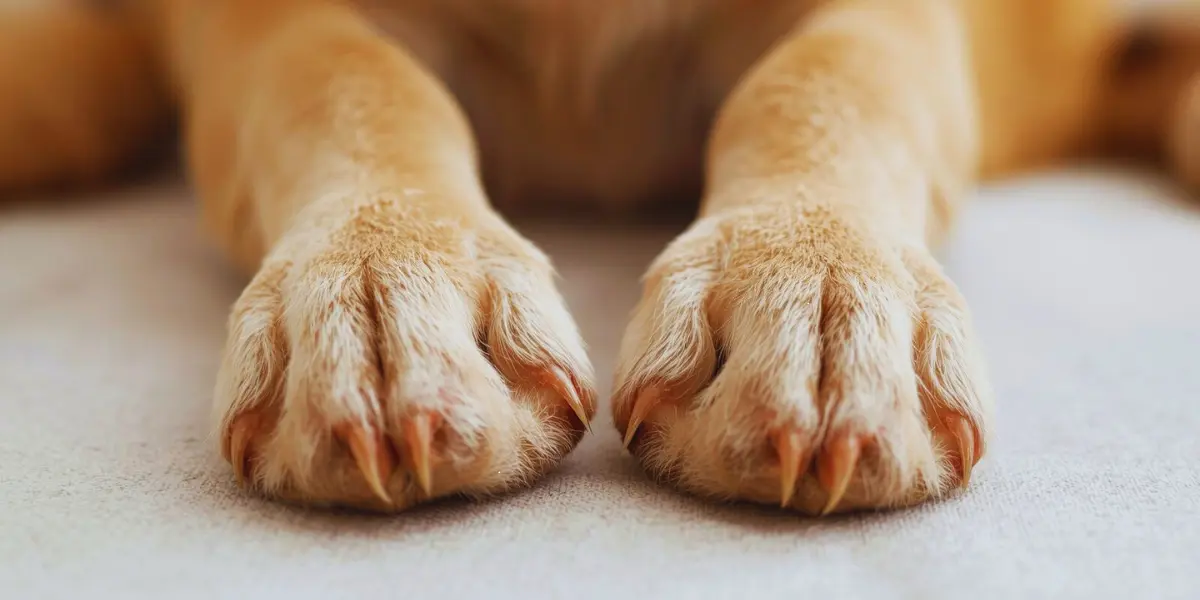
The simplest and most reliable rule is this: your dog’s nails should not touch the ground when they are standing naturally. If you hear clicking on hard floors, the nails are already too long.
At the correct length, the nail tip sits just above the paw pad and doesn’t interfere with how your dog stands, walks, or distributes weight. It isn’t about looks. It’s about comfort, movement, and long-term joint health.
How Long Should My Dog’s Nails Be?
Your dog’s nails should not touch the ground when standing naturally. If you hear clicking on hard floors, they are already too long.
Why Proper Nail Length Matters More Than You Think
Dog nails play a direct role in posture and balance. When nails are overgrown, they push the toes upward, forcing the paw into an unnatural position. Over time, this alters the canine gait, putting stress on joints, tendons, and muscles.
Long nails can lead to:
- Joint strain in the toes, wrists, shoulders, and spine
- Early arthritis, especially in senior dogs
- Pain while walking or standing
- Slipping on smooth surfaces
- Torn or split nails that bleed easily
Many dogs don’t cry or limp right away. Instead, they quietly adjust their posture, making the damage easy to miss.
Clear Signs Your Dog’s Nails Are Too Long
You don’t need special tools to check nail length. Use these practical signs at home:
- Clicking sounds on tile, wood, or laminate floors
- Nails touching the ground when standing
- Curved or sideways-growing nails
- Paw pads are not making full contact with the floor
- Licking or chewing at the paws
- Hesitation on stairs or smooth surfaces
If the nails start curling toward the paw pad, trimming should not be delayed.
The Ideal Dog Nail Length Explained Simply
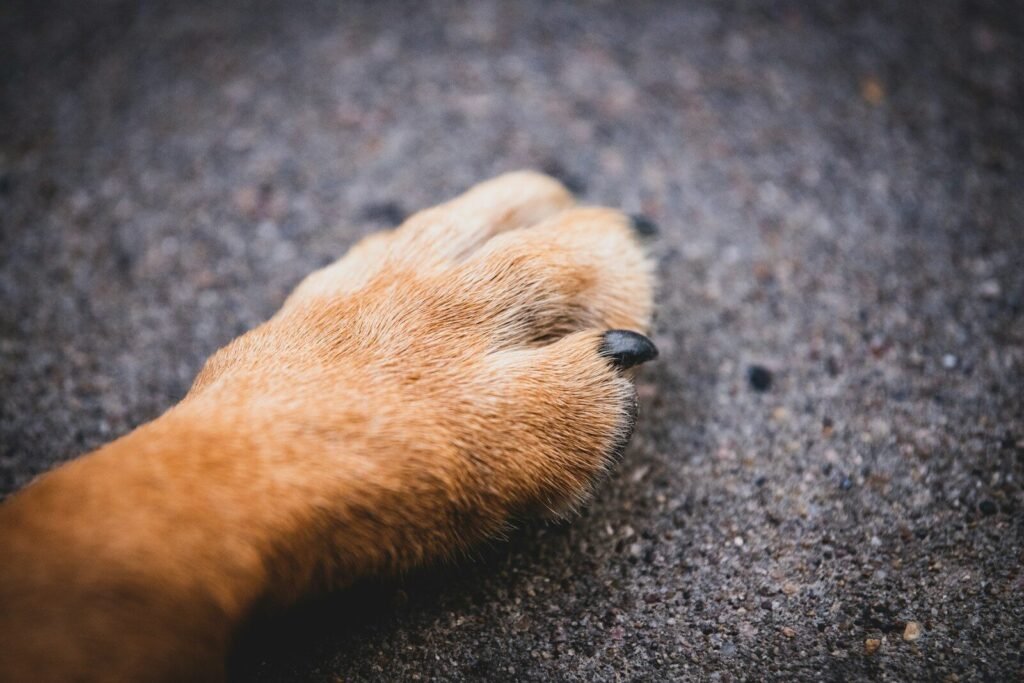
A healthy nail length meets all three of these conditions:
- The nail does not touch the ground
- The tip ends before the paw pad
- There is no pressure on the toe when standing
This standard applies across breeds and sizes, though how often you reach that length varies.
Breed, Size, and Lifestyle Differences
Not all dogs wear their nails down the same way. Genetics and daily activity matter.
Small vs Large Dogs
Small breeds often grow nails faster and wear them down less naturally. Large dogs may file nails slightly through weight-bearing, but still need regular trims.
Active vs Indoor Dogs
- Dogs that walk daily on pavement may need trims every 4–6 weeks
- Indoor dogs or apartment dogs often need trims every 2–3 weeks
Puppies and Senior Dogs
- Puppies need early nail handling to prevent fear later
- Senior dogs often need more frequent trims due to reduced activity and arthritis risk
How to Measure Your Dog’s Nail Length at Home
There’s no need for rulers or charts.
The Standing Test
Have your dog stand on a flat surface. Look from the side:
- Nails touching the floor = too long
- Nails hovering slightly = correct length
The Paw Pad Check
Gently lift the paw:
- The nail tip should stop before the pad
- There should be no inward pressure on the toe
Both checks together give a reliable answer.
How Often Should Dog Nails Be Trimmed?
For most dogs, every 2–4 weeks is ideal.
If nails are allowed to grow long, the quick (the blood vessel inside the nail) grows longer too. It makes trimming harder and more painful. Frequent, small trims help the nail quickly recede over time, allowing for healthier nail length.
Understanding the Quick (and Why It Matters)
The quick contains nerves and blood vessels. Cutting into it causes pain and bleeding, which is why many owners are afraid to trim nails.
- Light-colored nails: you can usually see the quick as a soft pink section inside the nail.
- Black nails: trim slowly until you see a chalky white center
Cutting small amounts regularly is safer than trying to shorten long nails all at once.
How to Trim Dog Nails Safely (Step-by-Step)
If your dog tolerates nail trims, this method works for most homes, and keeping paws well-groomed also reduces loose shedding that ends up in blankets later when you’re trying to get dog hair out.
- Use sharp, dog-specific nail clippers or a grinder
- Hold the paw gently, not tightly
- Trim small amounts at a 45-degree angle
- Stop before reaching the quick
- Smooth edges with a nail grinder if needed
Always keep styptic powder or cornstarch nearby in case of bleeding.
Nail Clippers vs Nail Grinders
Both tools work. The right choice depends on your dog and your confidence level.
| Tool | Best For | Pros | Cons |
| Guillotine clippers | Small dogs | Clean cut | Less control |
| Scissor clippers | Large dogs | Strong grip | Can splinter |
| Nail grinder (Dremel) | Nervous dogs | Precision | Noise-sensitive |
Many groomers prefer grinders for accuracy, especially with black nails.
Common Nail Trimming Mistakes to Avoid
- Cutting too much at once
- Using dull or human nail tools
- Skipping trims for months
- Trimming when your dog is anxious or tired
- Ignoring early signs of overgrowth
One bad experience can make future trims much harder, so patience matters.
Do Long Nails Actually Hurt Dogs?
Yes. Even if your dog doesn’t limp, long nails change how weight is distributed across the paw. Over time, this causes discomfort, joint strain, and behavioral stress.
Some dogs respond by:
- Avoiding walks
- Becoming irritable when paws are touched
- Slipping more often
- Sitting or lying down sooner than usual
These are subtle but important signals.
Professional Nail Trimming: Groomer vs Vet
If trimming at home feels risky, professional help is a smart option.
Typical Cost Ranges (Varies by Region)
- Pet groomer nail trim: $10–$25
- Veterinary clinic: $15–$40
- Mobile groomer: $20–$50
When a Groomer Is Enough
- Routine maintenance
- Calm dogs
- Regular schedules
When a Vet Is Better
- Severely overgrown nails
- Dogs with arthritis or injuries
- Dogs that bite or panic
- Search terms like “dog nail trimming near me” or “vet nail clipping service” often return both options.
DIY vs Professional: A Simple Decision Guide
Choose DIY trimming if:
- Your dog stays calm
- Nails are not severely overgrown
- You trim regularly
Choose a professional if:
- Your dog reacts aggressively
- Nails curl or split
- You’ve hit the quick before
- Your dog has joint or mobility issues
There’s no downside to outsourcing nail care if it keeps your dog stress-free.
Alternatives for Dogs Who Hate Nail Trims
Some dogs strongly resist clippers or grinders. In those cases:
- Scratch boards (training required)
- Cooperative care techniques
- Frequent short trims instead of full sessions
- Pavement walks (limited effect, not a replacement)
Sedation should only be considered by a veterinarian in extreme cases.
Best Practices for Long-Term Nail Health
- Trim often, not deeply
- Pair nail care with treats and praise
- Touch paws daily to reduce sensitivity
- Start nail handling early in puppies
- Set a recurring 3-week reminder
Consistent maintenance prevents fear, pain, and injuries.
Dog’s Nails Related Questions
How Short Should my Dog’s Nails be Exactly?
They should not touch the ground when standing and should stop before the paw pad.
Should Dog Nails Touch the Ground at All?
No. Ground contact means they are too long.
How Often Should Dog Nails be Cut?
Most dogs need trimming every 2–4 weeks.
Can Long Nails Cause Limping?
Yes. Overgrown nails can alter gait and, over time, lead to limping.
Is it Better to Clip or Grind Dog Nails?
Grinding offers more control; clipping is faster. Both are safe when done correctly.
Do Puppies Need Nail Trims?
Yes. Early trimming prevents fear and overgrowth.
What if my Dog’s Nails Bleed?
Apply styptic powder or cornstarch and stop trimming for the day.
Closing Summary
The correct nail length for dogs is simple but critical: nails should not touch the ground. When maintained properly, nails support healthy posture, smooth movement, and long-term joint health.
Whether you trim at home or use a groomer or vet, consistency matters more than perfection. Check your dog’s nails today, set a regular schedule, and treat nail care as part of basic preventive health, not an afterthought.
Veterinary Disclaimer: This article is for educational purposes only and does not replace professional veterinary advice. If your dog has eaten something potentially harmful, contact your veterinarian or the ASPCA Animal Poison Control Center at (888) 426-4435 immediately.
About the Author
Faizan is the founder and writer behind Complete Dog Guide, a blog dedicated to helping dog owners with practical, well-researched information on dog food, care, grooming, and training. With 5 years of experience in content writing and blogging, he spends hours digging through veterinary publications, official guidelines from organizations like the ASPCA, AKC, AAFCO, and the Merck Veterinary Manual to make sure every article is backed by reliable sources.
Complete Dog Guide does not provide veterinary advice. Every health-related article on this site is researched using published veterinary data and clearly cites its sources. If your dog has eaten something harmful, always contact your veterinarian first.