Now Reading: How to Make Chicken and Rice for Dogs Safely
- 01
How to Make Chicken and Rice for Dogs Safely

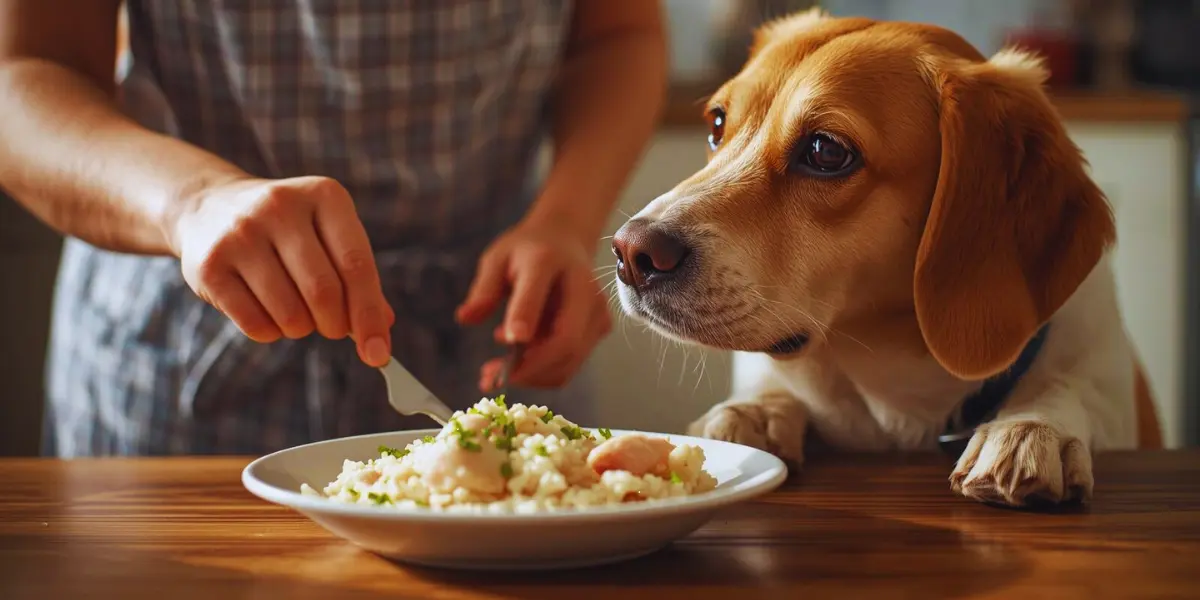
Chicken and rice for dogs is a simple, home-prepared, bland diet made from plain, skinless chicken breast and white rice. Veterinarians often recommend it as a temporary solution for dogs with diarrhea, vomiting, or an upset gastrointestinal system.
The goal isn’t nutrition perfection. The goal is digestive rest. Chicken provides lean protein that’s easy to digest. At the same time, white rice offers quick energy with minimal fiber, helping reduce gut irritation.
This approach is widely used across the USA, UK, Canada, and Australia because the ingredients are affordable, easy to find, and generally well tolerated.
How to Make Chicken and Rice for Dogs
Boil plain, boneless chicken breast and white rice separately with no seasoning, then mix 1 part chicken with 2 parts rice. Let it cool completely before serving as a short-term, bland diet for digestive support.
When Chicken and Rice Is Appropriate
Chicken and rice are most helpful in short-term situations, such as:
- Mild diarrhea or soft stools
- Occasional vomiting without other severe symptoms
- Recovery after illness or minor surgery
- Transitioning back to regular food
It’s often recommended when a dog is otherwise alert, hydrated, and still interested in eating.
When You Should NOT Use Chicken and Rice
This diet is not suitable in every case. Avoid or get veterinary guidance if your dog has:
- Pancreatitis or a history of it
- Chronic digestive disease
- Severe lethargy or dehydration
- Bloody diarrhea or persistent vomiting
- Food allergies to chicken
- Puppy growth-stage nutritional needs
Chicken and rice are not nutritionally complete under AAFCO standards and should never be used as a long-term diet.
Ingredients: What’s Allowed and What’s Dangerous
Safe Ingredients
- Boneless, skinless chicken breast
- Plain white rice
- Water (for boiling only)
Ingredients to Never Add
- Salt, spices, seasoning blends
- Onion or garlic (toxic to dogs)
- Butter, oil, or fat
- Store-bought broth unless explicitly low-sodium and vet-approved
- Sweet potato fries or any fried, seasoned potato products, which are not suitable for a bland diet
Keeping the recipe minimal is what makes it effective.
How to Make Chicken and Rice for Dogs (Step by Step)
Step 1: Cook the Chicken
- Use only boneless, skinless chicken breast
- Boil in plain water until fully cooked
- No baking, frying, or grilling
- Shred into small, bite-sized pieces
Step 2: Cook the Rice
- Use white rice, not brown
- Cook until very soft, slightly mushy
- Do not add salt or oil
Step 3: Combine
- Mix 1 part chicken to 2 parts rice
- Let cool completely before serving
This texture and ratio help reduce strain on the gastrointestinal system.
White Rice vs Brown Rice for Dogs
White rice is preferred for dogs with digestive issues because:
- It’s lower in fiber
- Easier to digest
- Less likely to worsen diarrhea
Brown rice contains more fiber and nutrients, but it can irritate an already sensitive gut.
Portion Sizes by Dog Weight
Start small. Overfeeding too quickly can restart digestive upset.
| Dog Size | Weight Range | Total Daily Amount |
| Small | 5–15 lbs | ½ to 1 cup |
| Medium | 16–40 lbs | 1 to 2 cups |
| Large | 41–80 lbs | 2 to 3 cups |
| Giant | 80+ lbs | 3 to 4 cups |
Divide the daily amount into 2–4 small meals.
Feeding Schedule and Duration
Chicken and rice are designed for short-term use only.
- Mild stomach upset: 2–3 days
- Diarrhea improving: up to 5 days
- Maximum without vet advice: 7 days
Once stools normalize, gradually reintroduce regular dog food over 3–5 days.
How to Transition Back to Regular Dog Food
Abrupt changes can undo progress. Follow this approach:
- Day 1: 75% chicken and rice, 25% regular food
- Day 2: 50% chicken and rice, 50% regular food
- Day 3: 25% chicken and rice, 75% regular food
- Day 4: 100% regular food
If symptoms return, pause and consult a veterinarian.
Why Vets Recommend Chicken and Rice
Veterinarians favor this bland diet because it is:
- Low in fat
- Easy to digest
- Gentle on inflamed intestines
- Simple to control ingredient exposure
It supports recovery but does not replace prescription gastrointestinal diets when a medical condition is present.
Chicken and Rice vs Prescription GI Diets
Prescription diets like Hill’s or Royal Canin gastrointestinal formulas are nutritionally balanced and designed for longer use. Chicken and rice are best viewed as:
- Short-term support
- A bridge during recovery
- A temporary reset for digestion
For chronic or recurring issues, prescription diets are often the safer long-term solution.
Common Mistakes That Cause Problems
Many issues come from well-meaning changes:
- Using seasoned or rotisserie chicken
- Adding vegetables during active diarrhea, including canned green beans, before digestion has stabilized
- Feeding large portions too quickly
- Continuing the diet for weeks
- Ignoring worsening symptoms
Simple doesn’t mean flexible. Stick to the basics.
Puppies, Seniors, and Special Cases
- Puppies: Only under veterinary guidance due to growth needs
- Senior dogs: Usually tolerate it well, but monitor hydration closely
- Chicken allergies: Use vet-approved alternatives like boiled turkey
Always prioritize individual health history over general advice.
What to Do If Chicken and Rice Doesn’t Help
If there’s no improvement within 48 hours or if symptoms worsen, it’s time to escalate.
Seek veterinary care if you notice:
- Persistent diarrhea
- Blood or mucus in stool
- Lethargy or weakness
- Signs of dehydration
Searching for an emergency vet near you can be critical in these cases.
Is Chicken and Rice Safe for Dogs Long Term?
No. While it’s safe in the short term, long-term feeding can cause nutritional deficiencies. Dogs need balanced levels of vitamins, minerals, fats, and amino acids that this diet does not provide.
Cost and Accessibility
One reason this diet is widely used is affordability. In most regions, the cost is significantly lower than that of prescription food, and ingredients are readily available at local grocery stores.
However, cost savings should never outweigh health risks when symptoms persist.
When to Go Back to Regular Food
Chicken and rice can be a helpful, vet-aligned solution when a dog has an upset stomach, but it’s not a cure-all. Prepared plainly and used briefly, it supports digestion while the gastrointestinal system recovers.
Pay attention to portion sizes, duration, and your dog’s overall condition. When symptoms persist or worsen, professional veterinary care is always the right next step.
FAQ’s
Q: Is Chicken and Rice Good for Dogs with Diarrhea?
Yes, for short-term digestive support when symptoms are mild and improving.
Q: How Long can Dogs Eat Chicken and Rice?
Usually 2–5 days. Longer use requires veterinary supervision.
Q: Can Dogs Eat Chicken and Rice Every Day?
No. It’s not nutritionally complete and should not replace regular dog food.
Q: Can Puppies Eat Chicken and Rice?
Only if a veterinarian recommends it, as puppies have specific growth needs.
Q: Should I Add Vegetables to Chicken and Rice for Dogs?
Not during active digestive upset unless a vet advises otherwise.
Q: What if My Dog won’t Eat Chicken and Rice?
Loss of appetite can signal a more serious issue. Contact a vet.
Q: Is Boiled Chicken Safe for Dogs?
Yes, as long as it’s plain, skinless, and fully cooked.
Veterinary Disclaimer: This article is for educational purposes only and does not replace professional veterinary advice. If your dog has eaten something potentially harmful, contact your veterinarian or the ASPCA Animal Poison Control Center at (888) 426-4435 immediately.
About the Author
Faizan is the founder and writer behind Complete Dog Guide, a blog dedicated to helping dog owners with practical, well-researched information on dog food, care, grooming, and training. With 5 years of experience in content writing and blogging, he spends hours digging through veterinary publications, official guidelines from organizations like the ASPCA, AKC, AAFCO, and the Merck Veterinary Manual to make sure every article is backed by reliable sources.
Complete Dog Guide does not provide veterinary advice. Every health-related article on this site is researched using published veterinary data and clearly cites its sources. If your dog has eaten something harmful, always contact your veterinarian first.