Now Reading: Purina Pro Plan Dog Food Review: Is It Really Worth It?
- 01
Purina Pro Plan Dog Food Review: Is It Really Worth It?

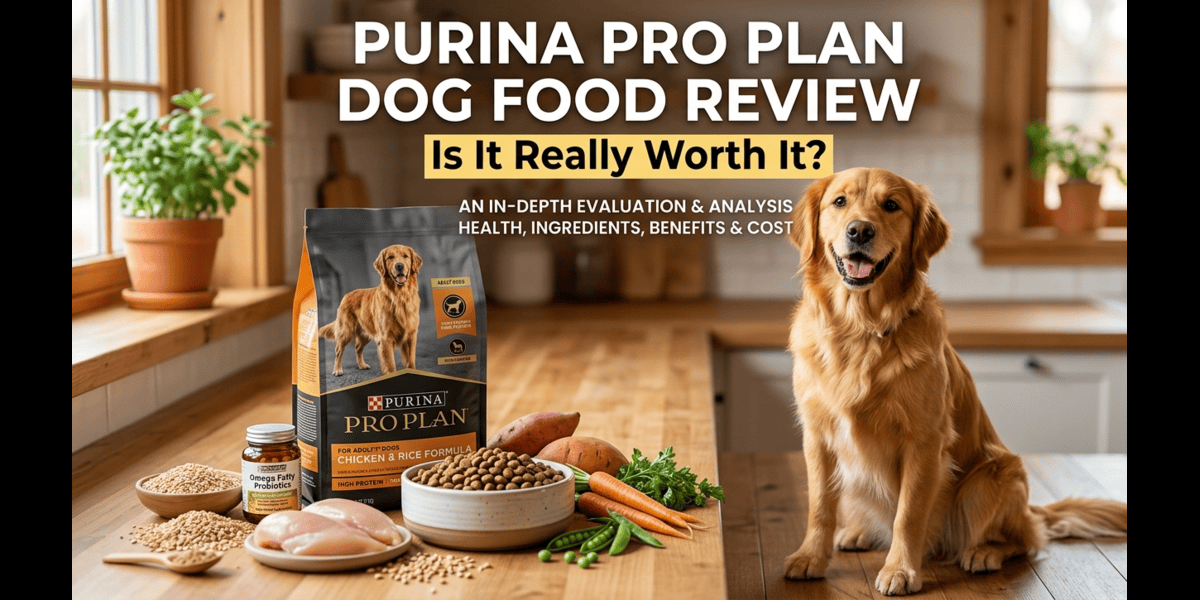
If you’re looking at your dog’s food list, chances are you’ve heard of Purina Pro Plan.
You likely have vets telling you to get it. The pet store staff at the big box stores tells you to buy it. In fact, many dog training forums will recommend it. But, there’s also a large and very vocal group of dog owners who steer clear of this dog food. They mention the by-product ingredients, the corn content, and, most importantly, the size of the corporate parent as reasons to choose another brand.
So, what’s really going on here? Is Pro Plan actually good dog food, or has this popular brand been able to earn a reputation for being good through heavy lobbying with vet schools and associations across America for years?
We’re going to take a position. This review will give you the lowdown. What we think is good. What we believe is truly a controversy. Which dog breed/size is actually made for Purina Pro Plan?
Quick Verdict at a Glance
| Category | Detail |
| Our Rating | 4.4 / 5 — Strong, with caveats |
| Best Described As | Reliable, research-backed, vet-trusted — not ingredient-pure |
| Best For | Puppies, active adults, sensitive stomachs, senior dogs |
| Main Protein Sources | Chicken, Salmon, Beef, Turkey, Lamb |
| Grain Options | Grain-inclusive (primary) + limited grain-free SKUs |
| AAFCO Compliant | Yes, all life stages |
| Vet Recommended | Yes — widely and consistently |
| Price Range | $60-$75 per 30 lb bag (competitive for premium tier) |
| Made In | USA, Purina-owned facilities only |
| Formula Count | 80+ formulas across life stages and health needs |
| Who Should Avoid It | Ingredient purists, raw feeders, grain-free loyalists |
Who Makes Purina Pro Plan?
Nestle Purina PetCare, based in St. Louis, Mo., offers Purina Pro Plan as a product line. Purina was founded in 1894 and introduced the Pro Plan line in 1986 with a focus on performance and science for pet owners.
While few companies have invested as much research on canine nutrition as Purina (over 500 veterinarians, scientists, and animal nutritionists), they also fund research on canine nutrition to be published in peer-reviewed journals. So while there are many claims made by companies about being “vet-recommended” or “science-based”, Purina’s investment is real.
The Purina Pro Plan Product Line: What’s Available?
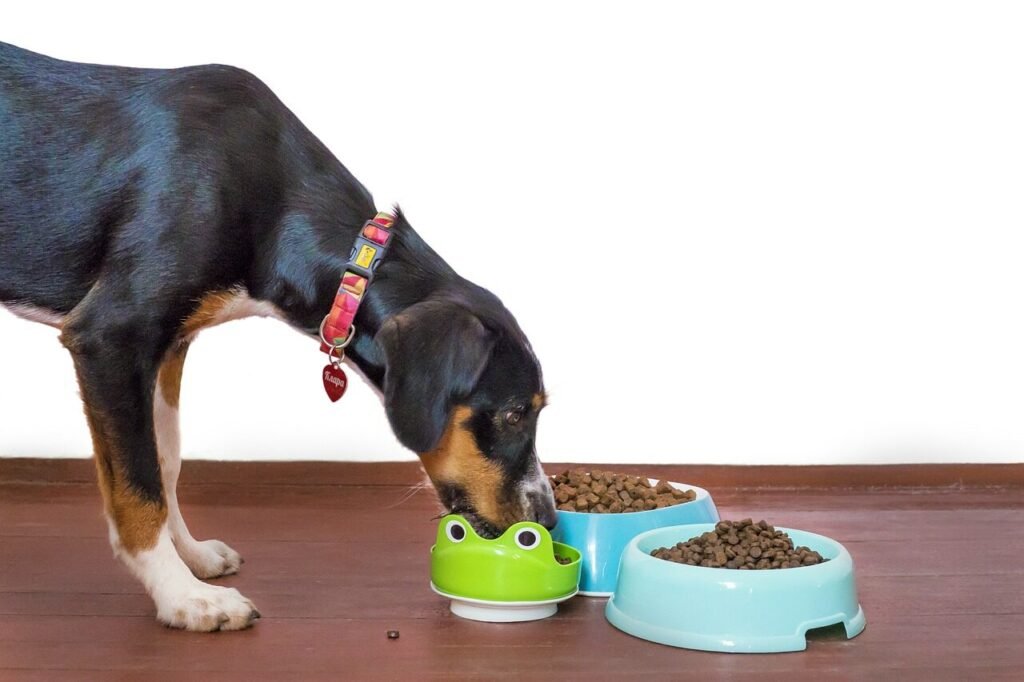
Pro-Plan has an enormous number of formulas (over 80) that provide many advantages to pet owners. As your dog grow older, develops food sensitivities, and requires therapeutic support, you can continue to use the same brand with different formulas.
By Life Stage
- Puppy (standard and large breed)
- Adult
- Adult 7+ Senior
- All Life Stages (working and sporting dogs)
By Health Focus
- Sensitive Skin and Stomach (salmon or lamb base)
- Weight Management
- Performance (30/20 formula for sport)
- Bright Mind (cognitive support for senior dogs 7+)
- Advantedge (focus on digestive and immune focus, newer line)
- Veterinary Diets — prescription formulas that require vet authorisation
Why does this matter? When a household has multiple pets, they can feed their multi-pet household using one Pro-Plan product while providing each dog with a different formula. Many pet owners can also remain with Pro-Plan if their pet develops a medical issue and they do not need to seek out a new product from another company, which is how Purina intended to design the system.
What’s Really in Purina Pro Plan? An Honest Ingredient Breakdown
The ingredient list is where Pro Plan earns both its defenders and its critics. Let’s look at the top ingredients in the Adult Complete Essentials Chicken and Rice formula, and give each one a straight assessment.
| Ingredient | What It Is | Honest Take |
| Chicken | Real whole muscle meat | Strong. Named, whole protein source. Good start. |
| Rice | Whole grain carbohydrate | Highly digestible. Gentle on gut. Solid choice. |
| Poultry By-Product Meal | Concentrated organ and non-muscle protein | Nutrient-dense but lower-quality than whole muscle meat. Common in vet diets; controversial among premium consumers. |
| Corn Gluten Meal | Plant-based protein source and binder | Provides amino acids but displaces animal protein. A cost-efficient inclusion that ingredient-focused owners legitimately criticize. |
| Whole Grain Corn / Wheat | Carbohydrate and fiber source | Safe and functional for most dogs. Controversial in marketing but not harmful in research. |
What Pro Plan Adds Beyond the Base
- Live Probiotics (Bacillus coagulans) – Select Dry Formulas Only
- Supports the Gut Microbiome
- This is truly a differentiator, as few mainstream pet food companies provide guarantees that their products contain live cultures.
- DHA from Fish Oil: In puppy and senior formulas. It is clinically linked to brain and vision development.
- Glucosamine and EPA: In large breed and senior lines. It supports joint health and mobility.
- Mixed Tocopherols (Natural Vitamin E): It is used for preservation and is better than synthetic BHA/BHT, which Pro Plan avoids in most formulas.
- Omega-6 Fatty Acids + Vitamin A: It is basically for skin and coat health and is frequently cited by owners noticing coat improvement.
| Why Some Dog Owners Actively Avoid Purina Pro Plan Even though this will be a big portion of your paper, the longer you read about dogs in legitimate dog communities (such as r/Dogs on Reddit, performance dog websites or raw feeding communities) you’ll find legitimate criticism of Pro-Plan. Here is the type of criticism you’ll encounter, and what might be legitimate criticism. |
The Use of By-Products (Poultry Organ Meats)
By-products of chickens used in dog foods are high in protein. Many veterinarians have used by-product (i.e., “organ meats,” “feet,” “necks,” “unhatched eggs”) in therapeutic diets for many years for their patients. Thus, by-products are not bad. The issue, however, is that there is a distinction between consuming a piece of chicken meat and eating chicken meal.
The Corn and Plant Protein Controversy
The “Corporate Trust” Issue
There are some dog owners who simply don’t feel right about buying a dog food made by a company owned by a large international corporation. In other words, there are dog owners who do not trust Nestle to put the best interests of their pets ahead of profits. Even though this is a philosophical standpoint, it represents a real reason why some dog owners prefer a certain brand of dog food.
Data Shows:
While Purina has had recalls, the number of recalls is relatively small, and the vast majority of them were proactively issued by Purina. Additionally, all of Purina’s production occurs within the U.S. and thus is under the control of U.S. regulations. Finally, the research funded by Purina is peer-reviewed. While these points relate to the structure of Purina, they are factual.
The Real Divide: Science-Backed vs Ingredient-Focused Brands
Understanding the dog food market means knowing that there are two types of buyers in the market. The Science-Backed camp (Hill’s, Royal Canin, Pro Plan) is in one camp. The Ingredient-Focused camp (Taste of the Wild, Orijen, Acana) is in the other.
| Science-Backed Camp (Pro Plan, Hill’s, Royal Canin) | Ingredient-Focused Camp (Orijen, Acana, Taste of the Wild) |
| Prioritizes clinical research and AAFCO compliance | Prioritizes whole ingredients and minimal processing |
| By-products and plant proteins acceptable | Muscle-first protein, no by-products |
| Extensively studied; feeding trial data available | Less long-term research; marketing-driven claims |
| Vet recommended | Consumer-driven popularity |
| Wider accessibility and price range | Premium price; smaller retail footprint |
Pro Plan wins on research, price range, and veterinarian trust. Orijen and Acana win on their ingredient philosophy and how they source their protein. Taste of the Wild falls somewhere in the middle — better ingredients than Pro Plan, but less evidence supporting its use. The choice between these three brands is based on real trade-offs and not marketing hype.
In addition to the above debate, the FDA investigated grain-free diets and dilated cardiomyopathy (DCM) in dogs from 2018 to 2019. While the investigation continues and no definitive causal relationship has been established between DCM and grain-free diets, the investigation provided veterinary nutritionists with another reason to prefer grain-inclusive, science-backed diets — which is what Pro Plan represents.
Nutritional Profile: Does It Meet the Standard?
All of the Purina Pro Plan formulations were created based on AAFCO (the Association of American Feed Control Officials), which is the most commonly accepted U.S. standard for ensuring the diets are adequate for each stage of a pet’s life.
Typical adult formula (chicken and rice):
- Crude Protein: 26-30% (dry matter basis) — solid for adult maintenance
- Crude Fat: 12-16% — sufficient for energy and palatability
- Fiber: 3-5% — supports digestion without being excessive
- Moisture: ~12% (dry kibble)
Approximate Moisture Content: 12%
The sports performance 30/20 formula contains higher levels of protein (30%) and fat (20%). Purina has developed significant data regarding improvements in VO2 max in athletic dogs when they consume the sport performance 30/20 formulation. It is unusual to see so much science supporting a performance-based product for pets.
There is a similar theme expressed by thousands of owners who reviewed their purchases from Chewy or Amazon, including the sport line and sensitive line. The owners all reported that their dog’s stool became firmer within two to three weeks after starting the food, and the owner noted that their dog’s coat had become healthier looking within four to six weeks. Many of the owners also noted that the long-term energy provided to their active dogs was significantly increased as a result of feeding them the sport and/or sensitive line products for extended periods.
Manufacturing & Safety: Can You Really Trust Your Pet Food Source?
All Pro Plan pet food is manufactured in Purina-owned U.S. manufacturing plants. Why does that matter? Because that eliminates the single largest variable in pet food safety – third-party co-manufactured pet foods. That means the brand owns the quality control process instead of relying on the third party to meet their quality standards.
Purina runs over 30,000 quality tests every day across all of its U.S. manufacturing locations. Very few pet food companies at almost any price level can say they do that.
Recall History (Transparent Analysis)
While Pro Plan has experienced a limited number of voluntary recalls (none of which resulted in any confirmed illnesses), here is what happened:
2022: Purina voluntarily recalled some Veterinary Diet formulas due to mislabelling. However, that was simply incorrect labelling regarding nutrient levels on the packaging and not related to contamination.
2016: Purina voluntarily recalled some of its wet food formulas due to inadequate vitamin and mineral content.
Again, both recalls were proactive and corrected. There were no reports of large-scale illness associated with either recall. While not perfect, this record indicates a quality-focused company that will pull a product off the shelf if its internal testing identifies an issue. That is exactly the right way to behave.
How Does Purina Pro Plan Actually Perform?
Digestive Health
Among all Pro Plan formulas, the most discussed Pro Plan product among pet owners who have dogs with sensitive stomachs is the Sensitive Skin and Stomach formula. In the verified reviews from Chewy.com, we see a very clear trend emerge: many owners with pets that had ongoing problems with soft stool, gas and/or recurrent gastrointestinal issues began to see marked improvements with their dogs’ digestive health within 2-4 weeks of transitioning them to this line. The addition of live probiotics in some of the dry formulas appears to be contributing to a large part of this positive shift.
Skin Coat Issues
Salmon-based formulas are also drawing a lot of attention from pet owners for improving their dogs’ coats. Pet owners are reporting fewer instances of shedding, better overall coat shine and less dry flaking – usually within 4-8 weeks of continued feeding. The omega-6 fatty acids found in these formulas are likely the cause of this clear benefit. It is one of the most commonly reported benefits across extended periods of time by pet owners using Pro Plan.
Working and High-Performing Dogs
Sport Performance 30/20 is being used by professional hunting dog trainers, agility competitors, and search and rescue teams throughout the United States. The Sport Performance 30/20 is formulated to maintain lean muscle mass as well as provide the needed aerobic endurance. This is one example of how the research dollars spent by Pro Plan show up clearly in the real world.
Cognitive Function in Senior Dogs
Bright Mind is a formula for senior dogs 7 years old and above that features advanced botanical oils that have been studied in Purina’s research and shown to help promote mental clarity and awareness. Many owners of older dogs, especially breeds that are known to suffer from cognitive decline, have reported increased interaction and responsiveness from their dogs after several weeks of feeding this formula.
Large Breed Puppies
It may be arguable that Pro Plan has the greatest amount of veterinary endorsement for its Large Breed Puppy formula. Large breed puppies need specific ratios of calcium to phosphorus to allow for proper skeletal development. Pro Plan’s Large Breed Puppy formula is specifically formulated to help prevent developmental orthopaedic disease. It is the formula that is most often recommended by veterinarians for labs, Golden retrievers, German shepherds, and other large breed dogs.
Honest Pros and Cons
What We Like
- Real, named meat as the first ingredient across most formulas
- Over 80 formulas targeting specific life stages and health conditions
- Widely and consistently recommended by US-based veterinarians.
- All manufacturing in Purina-owned US facilities with strong QC protocols
- Live probiotics in select dry formulas — a genuine differentiator in mainstream dog food
- Published, peer-reviewed nutritional research behind key formulas
- AAFCO-compliant across all life stages and formula types
- Transparent labelling and a generally clean preservation approach (mixed tocopherols)
- Broad availability via Chewy, Amazon, PetSmart, and independent pet stores
What Could Be Better
- Poultry by-products and corn gluten meal are legitimate trade-offs, not marketing myths.
- Plant protein (corn gluten) boosts the protein percentage, but doesn’t equal animal protein.
- Not organic, not ingredient-pure, not competing with boutique brands on sourcing.
- Mid-to-premium pricing may not suit all budgets, particularly for large dogs.
- Grain-free options within the line are limited compared to the mainstream grain-inclusive range.
- Dogs with severe multi-protein allergies may need a hydrolysed or novel protein diet that Pro Plan doesn’t fully cover.
How Pro Plan Compares to Other Premium Brands
| Feature | Pro Plan | Hill’s Science | Royal Canin | Orijen | Taste of Wild |
| Vet Rec. | Yes | Yes | Yes | Partial | Partial |
| Live Probiotics | Yes | No | No | No | No |
| Whole Muscle First | Most | Most | Varies | Always | Yes |
| By-Products | Yes | Yes | Yes | No | No |
| USA Made | Yes | Mostly | Mostly | Canada | Yes |
| Published Research | Extensive | Extensive | Strong | Limited | Limited |
| Price / 30 lb | $60-75 | $65-80 | $65-90 | $90-110 | $50-65 |
The table has an obvious storylines. Pro Plan and Hill’s are nearly identical in terms of their market positioning (vet-backed, heavily researched, use by products, include grains by default). Royal Canin distinguishes itself through its breed-specific formulations. There are very few, if any, competitors to Royal Canin. Orijen is the leader in the field for purity of premium ingredients; however, it lacks research on its products and is also much more expensive than all other brands. Taste of the Wild offers the most “cleaner” ingredients at the lowest price point; however, there is little veterinary support for this brand and little scientific study behind its products.
Who Should Feed Purina Pro Plan
Strong Fit
- Large breed puppy owners who want the most vet-endorsed growth formula available
- Working dog and sporting dog owners who need proven performance nutrition
- Dogs with chronic sensitive stomach issues that respond to the salmon and rice formula
- Senior dog owners looking for joint, cognitive, and weight support within one brand
- Owners who want vet approval and peace of mind above all else
- Multi-dog households that benefit from formula variety within a single brand ecosystem
| Who Should Not Buy Purina Pro Plan Raw Food Advocates & Fresh Food Enthusiasts: As a processed Kibble, Pro Plan will not align with your philosophies of feeding as much raw and/or minimally processed whole foods as possible. This is a perfectly valid choice to make. Protein Purity Advocates: You seek 80% + of the Protein Content in Your Dog’s Diet to come from Animal-Sourced Proteins; You do not want By-Products, Plant-Based Proteins added to boost the Protein Content, and You do not want Corn-Derived Ingredients. Look into Orijen, Acana, or other similar Boutique Brands. These brands compete with each other on this level of detail. Grain-Free Advocates: While Pro Plan does have Grain-Free Options available, they are very limited compared to many other Kibble Manufacturers. If you must feed Grain-Free to your dog, then Pro Plan probably does not offer enough Grain-Free Options to support your choices. Owners with Dogs that Require Severe Multi-Protein Allergens: If your dog requires Hydrolysed Proteins or a Strict Novel Protein Diet under the direction of a veterinarian, the standard Pro Plan lines will not be sufficient. In most cases, the Prescription Veterinary Diets may be able to provide what you need. Budget-Conscious Owners with Large Dogs: For example, a 30 lb bag of Purina Pro Plan can cost anywhere from $60-$75. If you have a 70+ lb dog, this can add up quickly. There are other AAFCO-Compliant Kibbles that cost less money but still meet the minimum nutritional requirements of the AAFCO Nutrient Profiles. |
How to Switch Your Dog to Purina Pro Plan
A gradual transition should be accomplished over a period of 7 to 10 days, regardless of whether the new food is better. Most common reasons for gastrointestinal disturbances in dogs result from rapid diet changes, even for improved food quality.
- Days 1-3: 75% current food, 25% Pro Plan
- Days 4-6: 50% current food, 50% Pro Plan
- Days 7-9: 25% current food, 75% Pro Plan
- Day 10+: 100% Pro Plan
If you notice your dog continues to experience diarrhoea, vomiting, or decreased appetite past Day Three, gradually decrease the rate of transition or contact your veterinarian. Some dogs — especially those with a documented history of digestive sensitivity — may benefit from a 14-Day transition plan.
Is the Cost Worth It?
Purina Pro Plan fits into the mid-to-premium price range. A 30-pound bag of Purina Pro Plan usually sells between $60-$75 on Chewy or Amazon. These prices are lower than Hill’s and Royal Canin for several comparable products. Additionally, these prices are lower than those of numerous speciality and high-end foods such as Orijen.
For what you are paying for, you will receive: AAFCO certification, U.S. production, scientific backing for the formulation, live probiotics in select formulations, and consistent endorsements by veterinarians. For most pet owners looking for a reliable, affordable premium food option, Purina Pro Plan provides excellent value compared to other premium food brands.
Auto-ship subscription programs offered through Chewy or Amazon often provide an additional discount of 5-10%. As a large-breed household feeding 60 pounds/month or greater, this can make a significant savings.
Frequently Asked Questions
Is Purina Pro Plan actually recommended by vets, or is it a paid endorsement?
Purina does work with veterinary professionals and invests in veterinary nutrition education, which is a standard industry practice. However, the recommendation is also grounded in genuine factors: AAFCO compliance across all formulas, peer-reviewed research behind key lines, and consistent manufacturing quality. Veterinary nutritionists at academic institutions, not just brand-affiliated vets, tend to recommend Pro Plan alongside Hill’s and Royal Canin.
Does Purina Pro Plan contain grain?
Yes, most of the Pro Plan formulas do include grain. Rice, Corn and Wheat are common ingredients found in almost all of the standard lines. Pro Plan does offer some grain-free SKUs within the product offerings. While grain-inclusive is the main product philosophy, it does match the veterinary recommendations that followed the FDA’s 2018-2019 investigation into grain-free diets and Dilated Cardiomyopathy (DCM) in dogs.
Is Pro Plan suitable for dogs with sensitive stomachs?
One of the most commonly recommended products for dogs with digestive problems is the Sensitive Skin & Stomach salmon/rice Pro Plan. This product contains fewer proteins, Omega Fatty Acids for skin health and Live Probiotics. Owner reviews across multiple review sites clearly indicate a positive trend in stool consistency and digestive issues being reduced within 2-4 weeks of continuous consumption.
How does Pro Plan compare to Orijen?
Both Orijen and Pro Plan are formulated with the pet owners’ interests at heart. However, they have different priorities. Orijen prioritises pure ingredients. Approximately 80% or more of Orijen’s ingredients come directly from animals. Pro Plan focuses on providing the highest level of research-based evidence. In addition to this, Pro Plan is endorsed by veterinarians and is much more affordable than Orijen. If you are interested in the “purity” of the ingredients, then Orijen might be the best option for you. If you prioritise research and reliability, then Pro Plan would be a better fit. Neither is inherently better — they simply cater to different philosophies.
Is Purina Pro Plan safe after the company’s recalls?
Purina Pro Plan’s recall history is very short, and it has always been proactive. The 2022 recall was a labelling error concerning several Veterinary Diet formulas. There were no reported illnesses associated with the recall. The 2016 recall addressed inadequate vitamins and minerals in several of the company’s wet formulas. Both recalls were self-discovered by the company. Overall, Pro Plan is considered one of the safer, mainstream pet food products available.
Which Pro Plan Formula is best suited for a large-breed puppy?
Pro Plan’s Large Breed Puppy Chicken/Rice formula is the recommended formula for large breed puppies. This formula is developed to promote healthy growth and minimise the risk of Developmental Orthopaedic Disease. This formula is one of the most consistently recommended formulas by veterinarians in the Pro Plan family.
Can I feed my dog Pro Plan for his whole life?
There are dogs that have been fed Pro Plan throughout their entire lives. To ensure you are able to feed your dog Pro Plan for his lifetime, it is essential to choose the correct formula based on your dog’s life stage and health conditions. As your dog matures and/or experiences any health changes, it is necessary to consult with your veterinarian to reassess the appropriateness of the current formula.
Editorial Disclaimer
This review is based on published nutritional research, AAFCO standards, veterinary guidance, and aggregated feedback from platforms such as Chewy, Reddit, and verified buyer reviews. Complete Dog Guide does not receive any compensation from Purina or its affiliates.
Always consult a licensed veterinarian before making changes to your dog’s diet.
About the author:
Faizan is a dog care writer and researcher focused on creating practical, evidence-based content for everyday dog owners. His work follows guidelines from the American Veterinary Medical Association and the Association of American Feed Control Officials, simplifying expert-backed knowledge into clear, actionable advice.