Now Reading: The Real Guide to Dog Care: What Every Dog Owner in US Actually Needs to Know
- 01
The Real Guide to Dog Care: What Every Dog Owner in US Actually Needs to Know


Most people in the U.S who have pets love their animals very much. According to the American Pet Products Association (APPA), there are nearly 68 million pet-owning households with dogs. However, many of these pets are suffering from common conditions like preventable dental disease, undiagnosed pain due to overgrowth of nails, and/or anxiety caused by a lack of mental stimulation. This isn’t due to a lack of love from the owner; the owner wasn’t informed about all aspects of animal care.
This guide will not be a list of simple things that most people already understand. The goal of this guide is to present a genuine, factual account of what it takes to provide good care to your dog. This includes information about the less commonly discussed areas of animal care (such as the common mistakes made by otherwise well-meaning dog owners) and those daily habits that can positively impact an animal’s quality of life.
Why Dog Care Is More Than Just Food and Walks
Most people consider caring for a dog the basics. Feed them. Walk them. Take them to the vet every year. The basics are important. However, dogs have emotional complexities, social needs, cognitive needs, and physical needs that cannot be met with feeding a bowl of kibble and a 20-minute walk.
For thousands of years, dogs have lived in the company of humans. Dogs are wired to understand and respond to our emotions, mirror our anxiety, and form attachments to us that equal or exceed human relationship attachments. Thus, the quality of time spent with your dog is as important as the amount of time you spend providing care for them.
The understanding of this will completely change the way you care for your dog.
1. Nutrition: The Foundation That Most Owners Get Wrong
You could do everything else right at the food bowl and still lose your dog.
The U.S. pet food market is huge, and unfortunately, much of it is unregulated. The AAFCO establishes minimum nutritional requirements for dog food; however, being able to say you are meeting AAFCO standards does not automatically equate to you having a high-quality food. What it does indicate is that you meet the minimum requirement.
What to look for in a dog food:
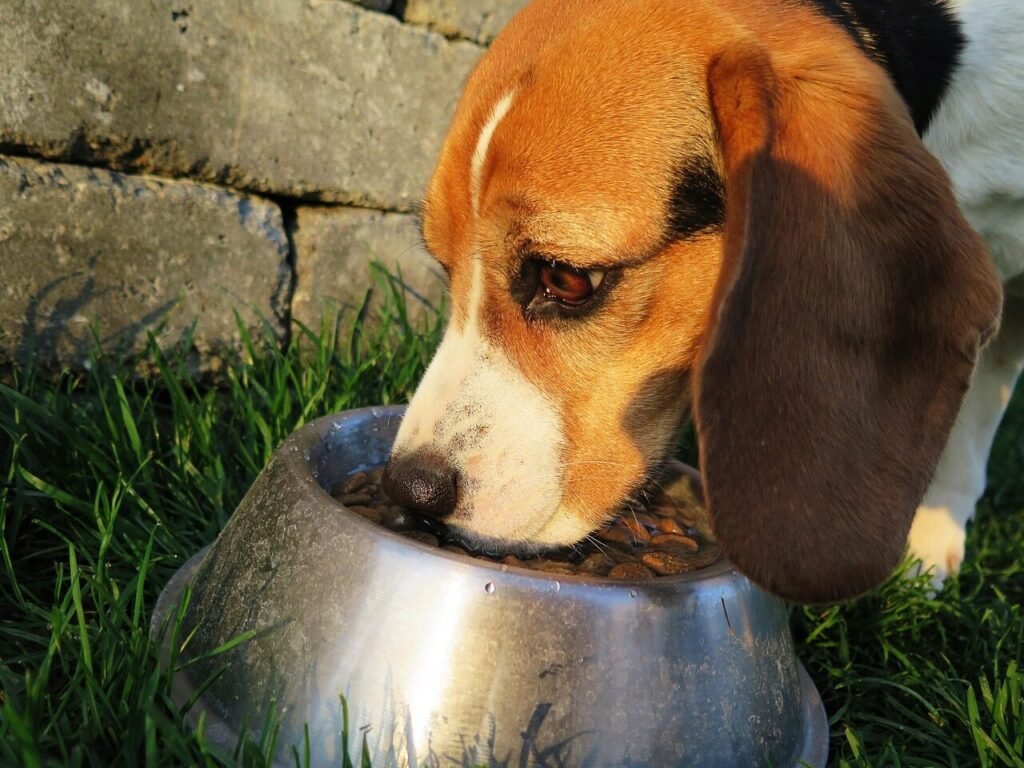
Feed your dog a food that has been organised by a board-certified veterinary nutritionist or has been tested using an AAFCO feeding trial — not simply nutrient analysis. Look for a named protein source (chicken, beef, salmon) as the first ingredient in the dog food, not a by-product meal. Avoid dog foods with extreme amounts of fillers, artificial preservatives such as BHA and BHT, and vague ingredient labelling.
Fresh Water: The Overlooked Essential
Dogs require continuous access to fresh water. If a dog does not drink a sufficient amount of water, they will become at risk for kidney disease, urinary tract infection, and constipation. You should change your dog’s water bowl on a daily basis – whether it appears empty or not.
Age is More Important Than Breed
Puppies, adult dogs, and senior dogs dissimilar requirements. Puppies fed adult dog food over a prolonged period may develop skeletal issues. Senior dogs fed puppy food may experience weight gain and increased stress on their joint structures. Always feed your dog food appropriate for their age.
Looking for homemade options? Read our guide on Homemade Dog Food Recipes That Are Nutritionally Balanced for vet-aligned recipes you can make at home.
2. Exercise: It’s About the Right Kind, Not Just the Amount
The phrase “walk your dog every day” has become an almost universal piece of advice. However, as we have learned, there are many different types of exercises, and some exercises could even potentially harm your dog. If a Border Collie receives only two fifteen-minute walks per day, they would be likely to exhibit frustration, destructiveness and stress. On the other hand, if a Basset Hound were to receive a five-mile run each morning, they could also experience injury to their joints. Therefore, the specific amount and type of exercise required by your dog will depend on several factors, including their breed, age, size and overall health.
Exercise based upon breed groups:
Working and Herding Breeds (such as Australian Shepherds, Siberian Huskies, and Belgian Malinois) require daily exercise of both high levels of physical and mental stimulation. Toy and Companion Breeds should be provided with regular and moderate amounts of activity. Large Breed Dogs, such as Great Danes, due to their large body size, should be limited in the type and amount of exercise they receive. As puppies, these breeds should be restricted in the type of activities they participate in and in the frequency of those activities in order to prevent injury to their developing joints.
Mental Exercise is Not Optional
One of the least appreciated areas of dog care is providing adequate mental stimulation. A dog that receives adequate physical stimulation but inadequate mental stimulation will develop behavioural problems. Providing your dog with puzzle toys, scent games, obedience training, and/or engaging them in interactive play are just a few examples of how to provide adequate mental stimulation to your dog. Research conducted in the area of Canine Cognition, specifically from Dr Alexandra Horowitz’s Dog Cognition Lab at Barnard College, indicates that dogs perceive and interact with their surroundings primarily using their sense of smell. Allowing your dog to sniff during a walk (a method referred to as a “sniff walk”) is one of the most stimulating and energy-burning forms of mental stimulation you can provide to your dog.

3. Preventive Veterinary Care: Going Beyond the Annual Visit
Most pet owners have heard of taking their pets to the veterinarian yearly; however, many do not understand what an annual examination entails, nor what questions they should ask their veterinarian.
The American Animal Hospital Association recommends that an annual examination of a pet should include the following:
- Full physical exam, including lymph nodes, eyes, ears, skin, and teeth
- Heartworm test (required annually to get a prescription for prevention)
- Parasite screening (faecal test for intestinal worms)
- Vaccination review based on your dog’s lifestyle and local disease risk
- Weight and body condition score
- Discussion of any behavioural changes
In addition, it is recommended that senior dogs (typically over seven years of age, but potentially as young as five or six for larger breeds) receive two examinations per year. As dogs age much more rapidly than humans, six months in a dog’s life may represent significant health changes.
Vaccines: Core vs Non-Core Vaccines
Core vaccines include Rabies, Distemper, Parvovirus, and Adenovirus and are recommended for all dogs, regardless of the individual dog’s lifestyle. Other vaccines, such as Bordetella (Kennel Cough), Leptospirosis, and Lyme Disease, are considered “non-core” and will only be recommended if there is a higher likelihood of exposure to the disease. For example, a dog who attends dog parks, boardings or spends a lot of time in wooded areas would require discussion with the veterinarian regarding vaccination against kennel cough, Leptospirosis, and/or Lyme Disease.
Spaying/Neutering: Timing Matters
Veterinary research has changed the recommendations for when to spay or neuter a pet. For larger and giant breed dogs, early spay/neuter may negatively impact bone growth and increase the risk of certain cancers. Discuss the appropriate time to spaying/neutering your dog with your veterinarian.

4. Grooming: The Health Check You’re Doing Without Knowing It
The purpose of grooming has nothing to do with how “cute” your dog looks. Grooming is one of the most effective methods of detecting potential health issues early on so that you can address them before they turn into costly emergency situations.
Nail Trimming: Not Just Aesthetics
Longer-than-average nails are one of the most overlooked health concerns that many pets experience. Long nails constantly hit the ground as your dog walks, which puts pressure on the toe joints. The longer you wait to trim your dog’s nails, the more likely it is to cause discomfort in your dog’s joints and potentially lead to arthritis in the hips and lower back. Most dogs require nail trimming every 3-4 weeks.
Ear Care: Weekly Checks Can Help Prevent Infections
Dogs with soft ears, such as Cocker Spaniels and Basset Hounds, are highly susceptible to ear infections due to the fact that the ear flaps create an environment where moisture can build up, and there is little air flow. Every week, inspect your dog’s ears. Healthy ears are typically light pink and odour-free. If your dog’s ears appear red, if your dog has black or brown discharge coming from his/her ears, or if your dog’s ears smell yeasty, then it is time to make an appointment with a veterinarian.
Dental Health: Neglected Area Of Dog Care
By age three, according to the American Veterinary Dental College, nearly all dogs develop some form of periodontal disease. While dental problems may seem to be confined to the mouth, bacteria from the mouth can travel through the bloodstream and damage organs, including the heart, kidneys, and liver.
Want to know how to groom your dog at home properly? Read our full guide on 7 Dog Grooming Tips for Beginners.

5. Mental Health and Emotional Well-being: The Part Most Guides Skip
Dogs experience emotions such as anxiety, boredom, frustration, joy, and sadness. These are real emotions and not just humans projecting their feelings onto animals. Behavioural science supports these emotional states.
More than you would expect, dogs suffer from separation anxiety.
According to a 2020 Frontiers in Veterinary Science journal article, approximately 17 per cent of dogs develop separation-related behaviours. Separation-related behaviours may consist of: destruction when left alone, excessive barking, pacing, or eliminating where they should not. This is a mental health issue with dogs, and can be effectively treated through structured desensitisation training. In extreme cases, your veterinarian may need to provide additional assistance.
Socialisation is an open window, but not a single opportunity.
From three to fourteen weeks of age, puppies undergo a socialisation window. Positive exposures to people, animals, noises, and environments during this time frame establish a dog’s perception of the world and shape its behaviour for a lifetime. Socialisation is not a single event. A dog needs to be reinforced on a regular basis to remain confident and calm.
6. Safety and Identification: What You Hope You Never Need

The above section contains several important safety tips for pet owners. These include:
Microchipping: This is the safest method to ensure you will be able to find your dog if he/she becomes lost. Microchips have been proven to be an extremely effective means of finding a lost dog. A collar or tag may fall off, and identification on these items is limited compared to what a microchip has to offer.
Updating Contact Information: Update your contact information as soon as possible after getting a new phone number or address. Otherwise, even though the dog’s microchip is working properly, the owner’s contact information will be outdated and therefore cannot help locate the dog.
Safety Tips For Your Dog At Home – Many hazards around your house can cause harm to your dog. Some common ones include:
1. Secure trash cans. Many dogs ingest toxic substances such as grapes, onions, and xylitol.
2. Keep medications away from your pets. Pets are easily tempted by their owners’ medication, and the consequences can be severe.
3. Learn which household plants are toxic to animals.
7. Building a Routine Your Dog Can Count On
Routine helps reduce anxiety in dogs. The predictability of your daily routine will help reduce anxiety for both you and your dog. Your dog will feel more protected if they know that at the same time each day they have their meals, get to go outside for a walk, or interact with you. It does not mean your schedule needs to be inflexible; your dog just needs some level of consistency to be a calm and confident dog.
Your dog may pick up on even the smallest cues from you (like picking up your keys or putting on your shoes) as an indicator of what will happen next.
Final Thought: Dog Care Is an Ongoing Conversation
The best dog owners aren’t those who know everything about dogs on day one; rather, the best dog owners are those who take notice of what their dog is doing, are curious about their dog’s behaviours, and continue to find ways to meet their needs as their dog grows and matures.
Your dog cannot tell you when your actions have caused them pain, when they are fearful, or when a certain food is making them feel sick. Developing a sense for how your dog communicates – through body language, energy level, and behavioural habits – is the most important thing you can learn from being a dog owner.
Each dog is unique and has its own set of needs at each stage in its life. Therefore, the best approach to caring for your dog is to be present with your dog, provide consistent care for your dog, and make every attempt to ensure the health and well-being of your dog.
Veterinary Disclaimer: This article is for educational purposes only and does not replace professional veterinary advice. If your dog has eaten something potentially harmful, contact your veterinarian or the ASPCA Animal Poison Control Center at (888) 426-4435 immediately.
About the Author
Faizan is the founder and writer behind Complete Dog Guide, a blog dedicated to helping dog owners with practical, well-researched information on dog food, care, grooming, and training. With 5 years of experience in content writing and blogging, he spends hours digging through veterinary publications, official guidelines from organizations like the ASPCA, AKC, AAFCO, and the Merck Veterinary Manual to make sure every article is backed by reliable sources.
Complete Dog Guide does not provide veterinary advice. Every health-related article on this site is researched using published veterinary data and clearly cites its sources. If your dog has eaten something harmful, always contact your veterinarian first.