Now Reading: Easy to Train Dogs: Top Breeds & Training Guide
- 01
Easy to Train Dogs: Top Breeds & Training Guide

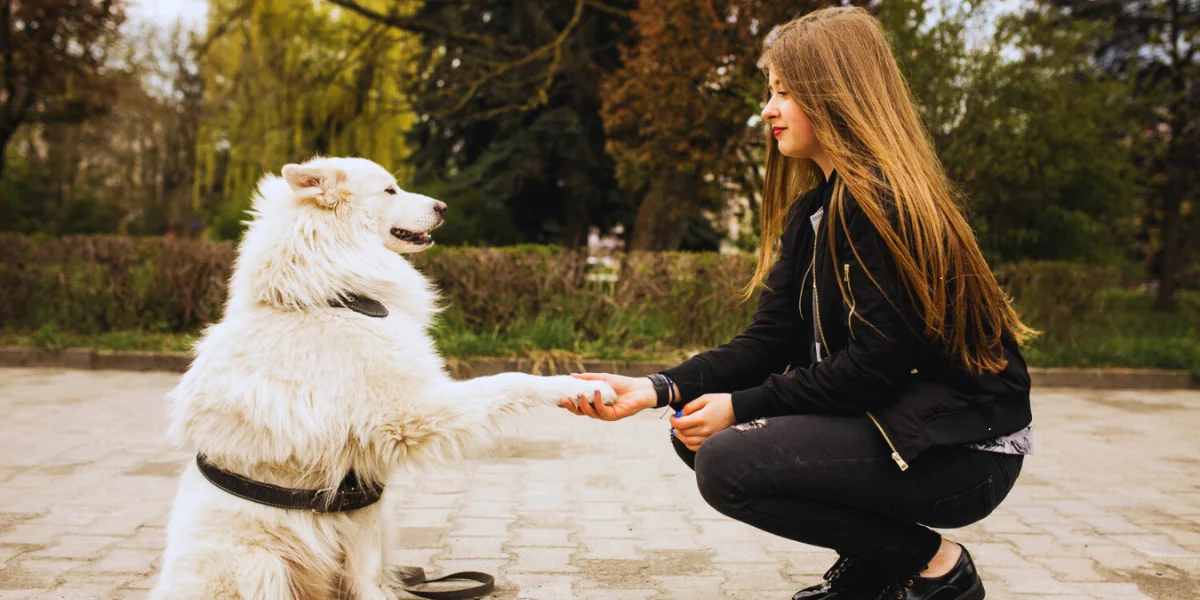
The easiest dog to train is one that combines intelligence, a strong desire to please, and consistent motivation. Breeds like Labrador Retrievers, Poodles, and Golden Retrievers learn quickly because they respond well to positive reinforcement and structured routines.
But trainability isn’t just about intelligence. It’s about temperament, energy balance, and how well a dog fits your lifestyle.
Whether you’re a first-time owner, a busy professional, or a trainer advising clients, this guide breaks down the most trainable dog breeds, why they learn faster, and how to choose wisely.
Easy to Train Dogs
Labradors, Poodles, and Golden Retrievers are prime examples due to their balanced temperament, motivation, and adaptability. Easy-to-train dogs are breeds that combine intelligence and strong responsiveness to positive reinforcement, making obedience and behaviour shaping faster and more consistent.
What Makes a Dog Easy to Train?
Not all intelligent dogs are easy to live with. Trainability depends on several overlapping factors, especially when families are searching for the best dogs for kids, where temperament and consistency matter just as much as intelligence.
- Intelligence vs Trainability
Psychologist Stanley Coren categorized dog intelligence based on obedience and working ability. However, high intelligence doesn’t always make something easy to handle.
- Intelligence = ability to learn commands quickly
- Trainability = willingness to follow and repeat those commands consistently
For example, Border Collies rank extremely high in dog intelligence. But without mental stimulation, they may develop behavioural issues, which is an important consideration when evaluating suitability for households with children.
- Motivation Type
Dogs learn best when motivated by:
- Food rewards
- Toys
- Praise
- Structured tasks
Breeds originally developed as working dogs or service dogs tend to respond strongly to reward systems.
- Temperament & Focus
Companion breeds bred for human interaction typically show:
- Lower stubbornness
- Higher social bonding
- Strong handler responsiveness
- Energy vs Obedience Tradeoff
Very high-energy breeds can learn quickly but require:
- More exercise
- More structure
- Mental stimulation
Low- to moderate-energy breeds are often easier for beginners.
Top 10 Easiest Dog Breeds to Train
Below are consistently ranked among the most trainable dog breeds worldwide.
- Labrador Retriever
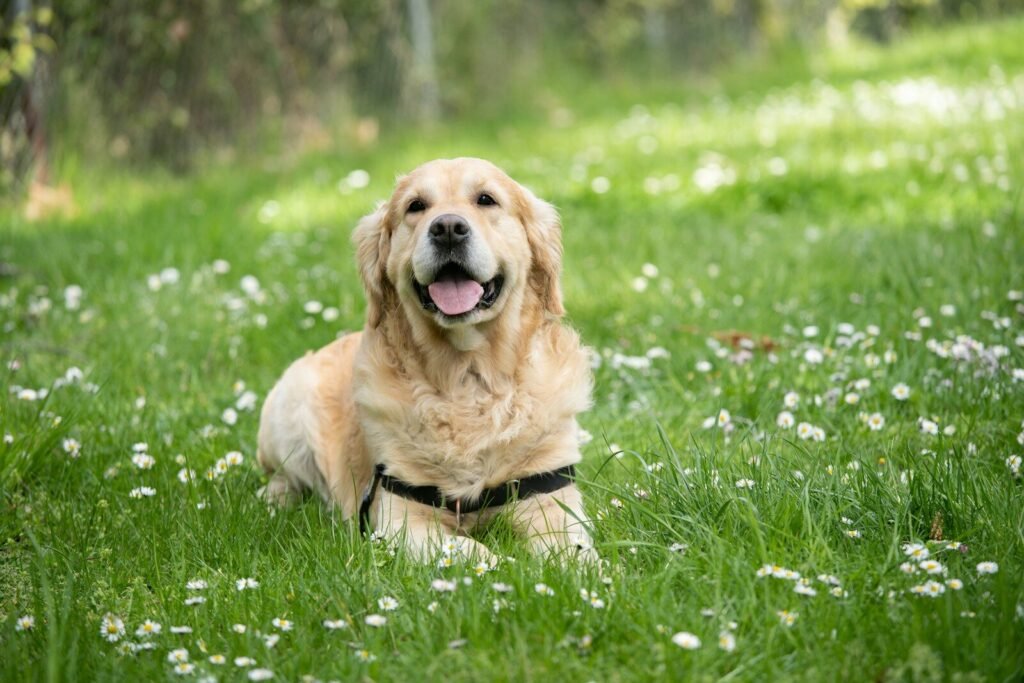
Often considered the gold standard for obedience training.
- Highly food motivated
- Excellent family temperament
- Frequently used as service dogs
Best for: Families, first-time owners, active households
- Poodle (Standard, Miniature, Toy)
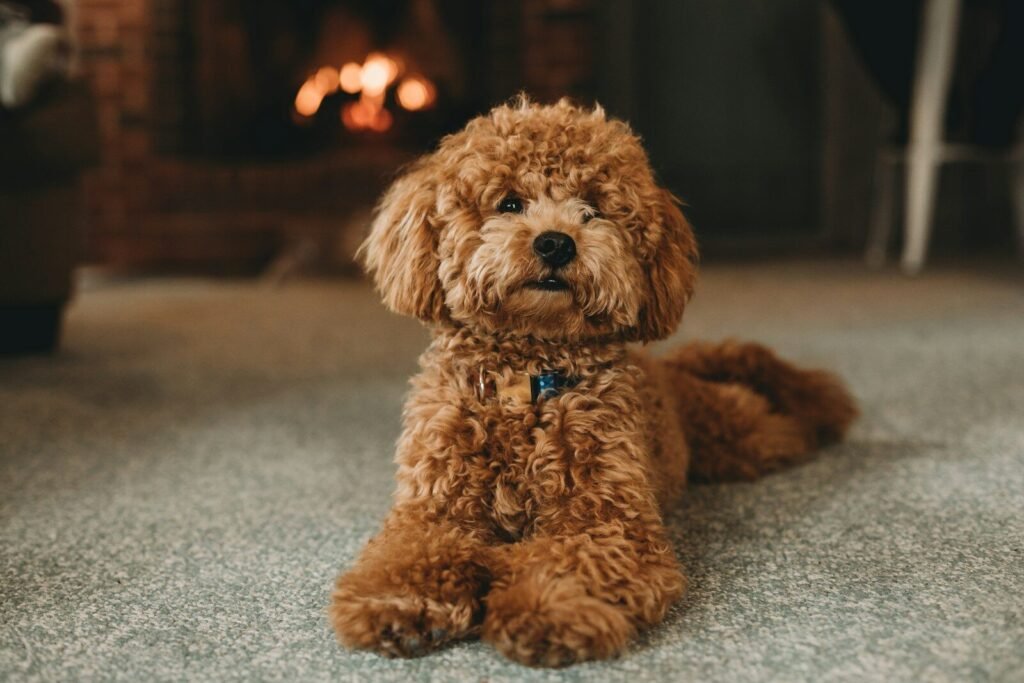
Extremely intelligent and quick to learn.
- Hypoallergenic coat
- Strong focus during training
- Adaptable to apartment living
Best for: Allergy-sensitive homes, urban living
- Golden Retriever

Known for their gentle nature and responsiveness.
- Excellent with children
- Thrive on positive reinforcement
- Strong therapy dog history
Best for: Families and social households
- German Shepherd
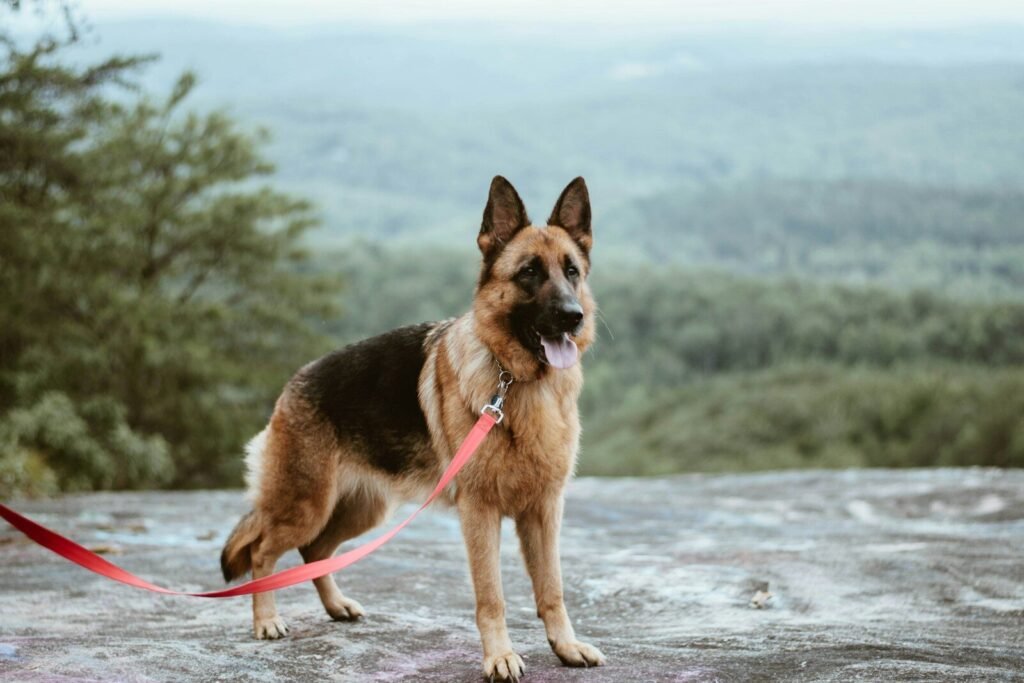
Highly obedient with strong working drive.
- Used in police and protection roles
- Quick command retention
- Needs consistent leadership
Best for: Experienced owners, active homes
- Border Collie
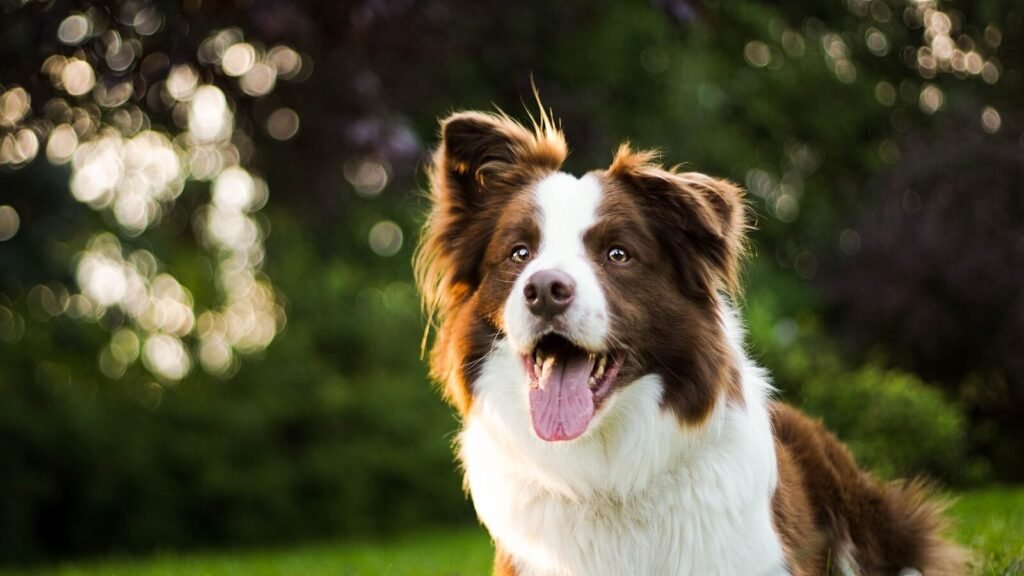
Often labelled the smartest breed.
- Learns commands rapidly
- Requires high mental stimulation
- Not ideal for sedentary homes
Best for: Very active owners
- Doberman Pinscher
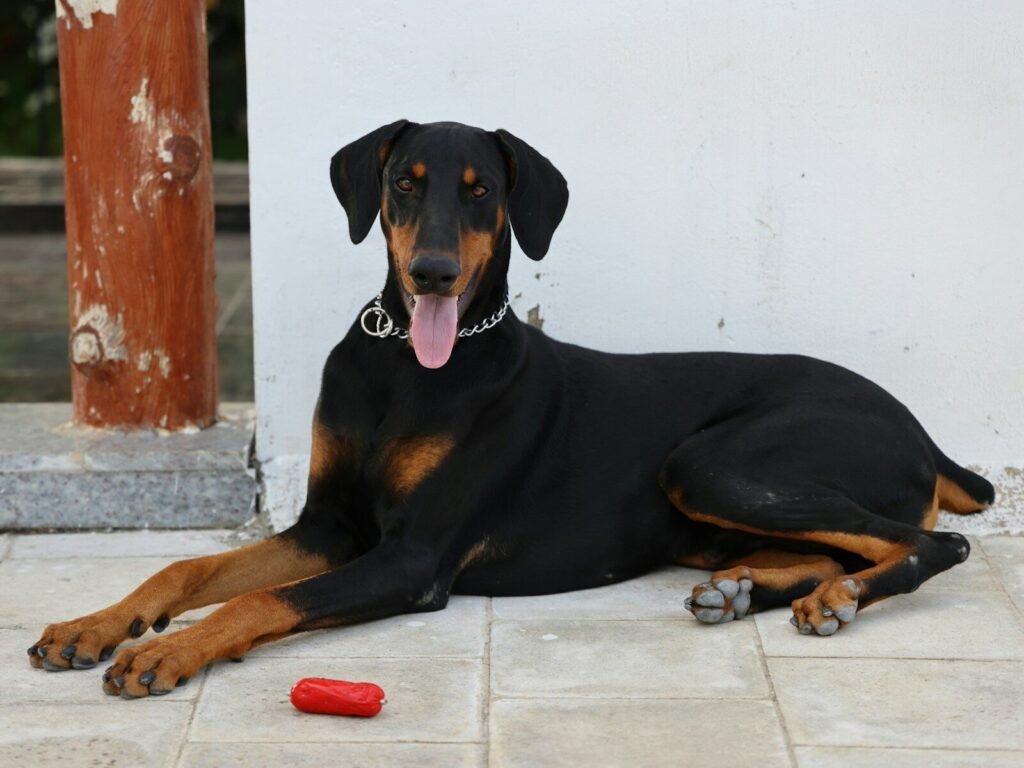
- Loyal and focused
- Protective but trainable
- Fast learners with firm structure
- Shetland Sheepdog
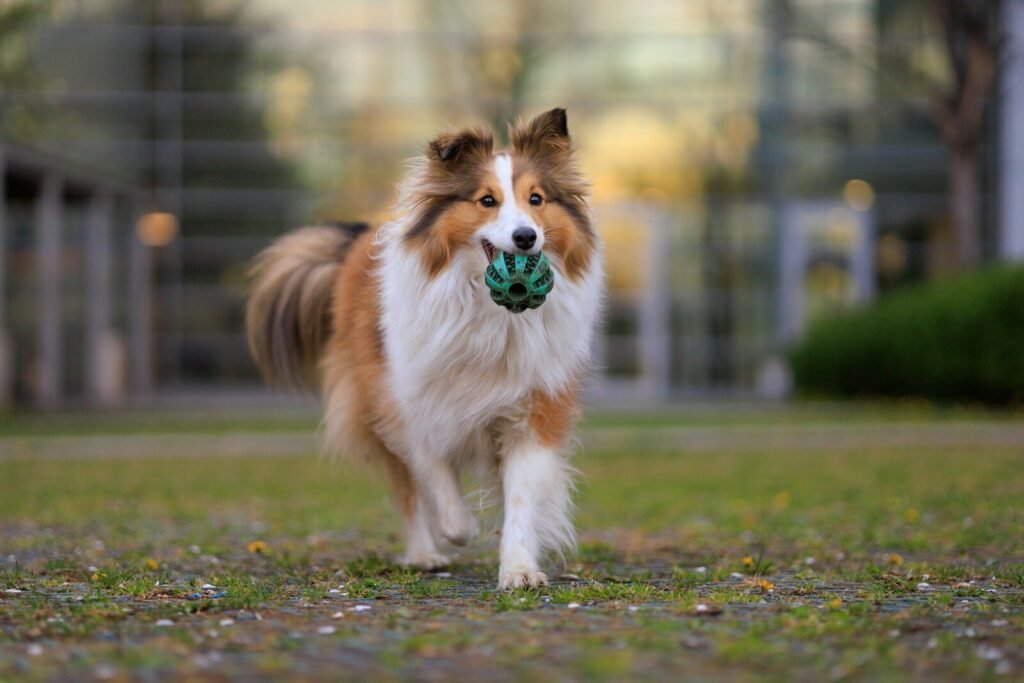
The Shetland Sheepdog, often called the “Sheltie,” is a highly responsive herding breed known for sharp focus and quick command retention.
Why they’re easy to train:
- Extremely attentive to their handler
- Strong desire to please
- Excellent at pattern recognition
Shelties excel in obedience competitions and agility because they thrive on structure and repetition. They respond exceptionally well to positive reinforcement and clicker training.
Best for: Active families, owners who enjoy structured training sessions
Watch for: Sensitivity to harsh correction and a tendency to bark if under-stimulated
- Papillon

Despite their small size, Papillons are among the most intelligent toy breeds.
Why they’re easy to train:
- High mental alertness
- Strong food and praise motivation
- Quick learners with strong memory
Papillons perform surprisingly well in advanced obedience and agility. They’re proof that small dogs are not inherently harder to train.
Best for: Apartment dwellers, first-time owners, seniors
Watch for: Overindulgence, small breeds need consistent rules just like larger dogs
- Australian Shepherd
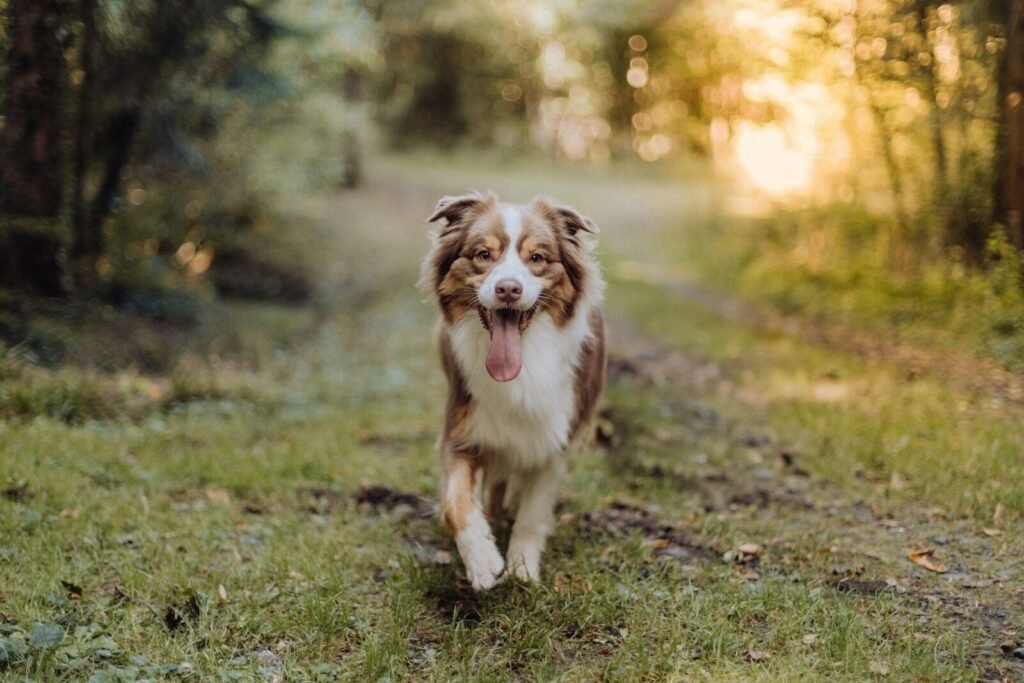
The Australian Shepherd is a high-drive working dog with exceptional learning capacity.
Why they’re easy to train:
- Strong work ethic
- Excellent command retention
- Thrive in structured tasks
They respond quickly to advanced obedience training and complex commands. However, their intelligence comes with intensity.
Best for: Very active owners, rural homes, dog sports enthusiasts
Watch for: Destructive behaviour if mental stimulation is lacking
Australian Shepherds are easy to train—but only when their energy needs are met.
- Cavalier King Charles Spaniel

This companion breed combines a gentle temperament with strong social bonding.
Why they’re easy to train:
- Eager to please
- Moderate energy level
- Highly food motivated
They respond well to basic obedience and house training, making them beginner-friendly. Their affectionate nature fosters a strong bond with their handler.
Best for: Families, seniors, apartment living
Watch for: Over-dependence; early socialization helps prevent separation anxiety.
Easiest Big Dog vs Easiest Small Dog
Easiest Big Dog to Train
- Labrador Retriever
- Golden Retriever
Easiest Small Dog to Train
- Papillon
- Miniature Poodle
Small dogs are not necessarily harder to train. Inconsistent handling is often the issue.
Puppy Vs Adult Dog: Which Is Easier?
Puppies
- Blank slate
- Easier habit formation
- Require intense early socialization
Adult Dogs
- May already be house-trained
- Established personality
- Rescue dogs can be highly trainable with patience
Older dogs absolutely can learn new behaviours. Consistency matters more than age.
How to Train a Dog Step by Step
Step 1: Build Trust
Start with bonding and clear communication.
Step 2: Use Positive Reinforcement
Reward desired behaviour immediately using treats, toys, or praise. Clicker training is especially effective.
Avoid punishment-based methods. Humane training builds long-term reliability.
Step 3: Start With Core Commands
- Sit
- Stay
- Come
- Down
- Leave it
Short sessions (5–10 minutes) work best.
Step 4: Practice Socialization
Expose your dog to:
- Different environments
- Sounds
- People
- Other dogs
It reduces fear-based behaviour later.
Step 5: Maintain Consistency
Every household member must use the same command words and expectations.
Common Training Mistakes to Avoid
- Long, exhausting sessions
- Mixed signals
- Inconsistent rules
- Skipping puppy socialization
- Ignoring breed energy needs
Behaviour correction works best early.
Decision Matrix: Which Dog Should You Choose?
| Situation | Recommended Breeds |
| First-time owner | Labrador, Golden, Poodle |
| Apartment living | Mini Poodle, Cavalier |
| Busy professional | Labrador, Cavalier |
| Guard dog but trainable | German Shepherd, Doberman |
| Hypoallergenic need | Poodle |
If unsure, consult certified trainers or local kennel clubs.
Cost of Dog Training (Global Ranges)
Training costs vary worldwide but generally fall within:
- Group obedience classes: $100–$400
- Private training sessions: $50–$150 per hour
- Board-and-train programs: $1,000–$3,000
Search terms like “dog trainers near me” or “puppy training near me” will display local providers.
Many offer:
- In-home training
- Virtual sessions
Professional Training Vs DIY
DIY Training Works If:
- Breed is beginner-friendly
- You have time daily
- Behavioral issues are minor
Hire a Professional If:
- Aggression appears
- Severe anxiety
- Guarding behaviors
- Complex obedience goals
Look for trainers aligned with humane standards and positive reinforcement methodology.
Hardest Dogs to Train (For Balance)
Some breeds may challenge beginners:
- Afghan Hound
- Basenji
- Chow Chow
These are independent and less reward-driven.
Easiest Dog to Potty Train
Labrador Retrievers and Poodles typically house-train quickly due to high food motivation and handler focus.
Consistency is more important than breed.
Which Dog Learns Commands the Fastest?
Border Collies often master new commands in fewer repetitions. However, they require ongoing mental stimulation.
Are Male or Female Dogs Easier to Train?
Training success depends more on breed and consistency than gender. Temperament and early socialization matter more.
Rescue Dogs: Are They Harder to Train?
Not necessarily. Many rescue dogs thrive with structure and patience. Professional assessment helps determine suitability.
Behavioural Red Flags to Watch
Regardless of breed:
- Excessive guarding
- Extreme fear responses
- Unmanageable hyperactivity
- Aggression without a trigger
Early intervention improves outcomes.
FAQ’s
Q: What is the Easiest Dog to Train?
Labrador Retrievers consistently rank as the easiest overall due to their temperament and motivation.
Q: Which Dog Breed Listens the Best?
Golden Retrievers and Poodles respond exceptionally well to structured obedience training.
Q: How Long Does it Take to Train a Dog?
Basic obedience usually takes 4–8 weeks with consistent daily sessions.
Q: Are Small Dogs Harder to Train?
No. Inconsistent expectations often make them appear harder.
Q: Can Older Dogs Still be Trained?
Yes. Adult dogs learn effectively with positive reinforcement.
Q: What is the Easiest Hypoallergenic Dog to Train?
Poodles are among the most trainable hypoallergenic breeds.
Q: Is Professional Dog Training Worth it?
Yes, especially for behavioural correction or first-time owners needing guidance.
Disclaimer: This article is for informational purposes only and does not substitute professional veterinary advice. Always consult a licensed veterinarian before making any health or dietary decisions for your dog.
Conclusion
Choosing an easy-to-train dog starts with understanding temperament, motivation, and energy balance.
Labrador Retrievers, Poodles, and Golden Retrievers remain top choices for beginners. But success depends less on breed alone and more on consistency, humane training methods, and lifestyle compatibility. Train with patience. Stay consistent. Choose wisely.