Now Reading: Can Dogs Eat Sweet Potato Fries? Vet Safety Guide (2026)
- 01
Can Dogs Eat Sweet Potato Fries? Vet Safety Guide (2026)

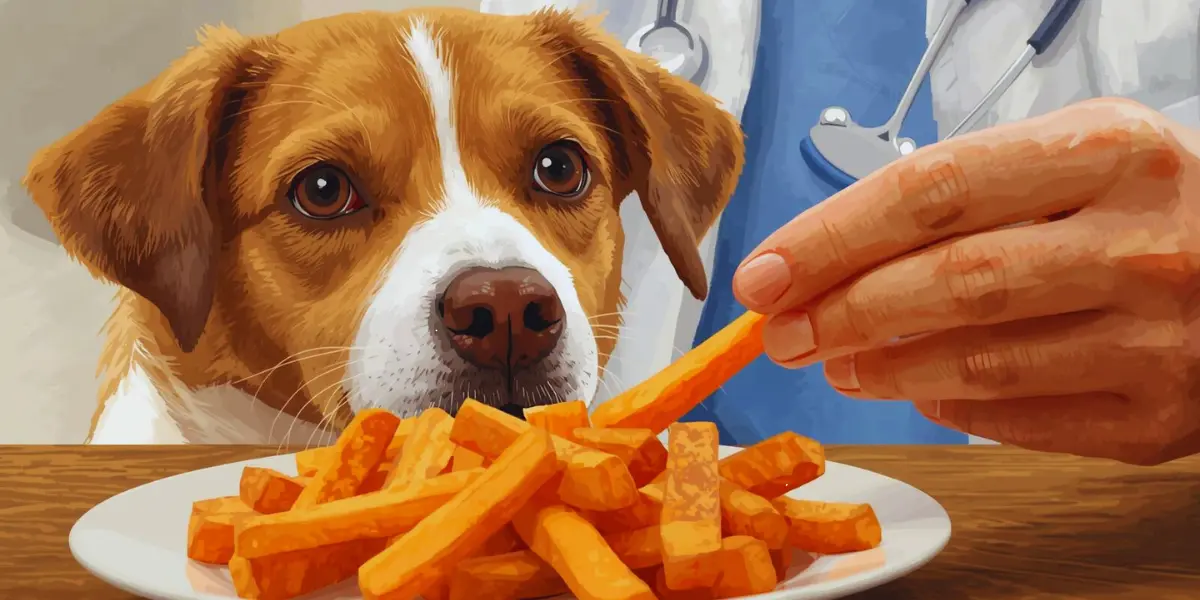
Dogs are family, and it’s normal to want to share food with them, especially when they give you that look during snack time. Sweet potato fries seem healthier than regular fries, so many owners assume they’re automatically safe.
But when it comes to human food for dogs, small differences in ingredients can make a big impact. Oil, salt, seasoning blends, and portion size all matter more than most people realise.
Before offering even a bite, it’s important to understand how sweet potatoes affect canine digestion and when they become risky.
Can Dogs Eat Sweet Potato Fries?
Yes, but only if they’re plain, baked, and unseasoned.
Fried, salted, or seasoned sweet potato fries can be harmful to dogs.
Just like with canned green beans, the difference comes down to ingredients, preparation method, and portion size.
Let’s break it down clearly so you can make the safest decision for your dog.

Are Sweet Potato Fries Safe for Dogs?
Sweet potatoes (Ipomoea batatas) themselves are not toxic to dogs. In fact, they’re used in many premium dog foods from brands like Blue Buffalo and Hill’s Science Diet.
The problem isn’t the vegetable. It’s what humans add to it.
Most sweet potato fries, especially from places like McDonald’s or Burger King, contain:
- High sodium levels
- Cooking oils
- Garlic or onion powder
- Sugar or seasoning blends
Those additions change everything.
Why Preparation Matters
Here’s the quick rule:
- Plain, baked sweet potato = generally safe in small amounts
- Deep-fried or seasoned sweet potato fries = not recommended
Dogs process fats and salt very differently from humans. The canine digestive system is more sensitive to high-fat foods, which increases the risk of pancreatitis.
Baked vs Fried Sweet Potatoes
| Factor | Baked (Plain) | Deep-Fried |
| Fat content | Low | High |
| Sodium | Controlled | Often high |
| Digestibility | Easier | Harder |
| Pancreatitis risk | Low (in moderation) | Elevated |
| Safe for dogs? | Yes, small amounts | No |
Deep frying also oxidizes oils. Oxidized fats are harder on digestion and can trigger inflammation.
Nutritional Breakdown
Sweet potatoes contain:
- Fibre (supports digestion)
- Beta-carotene (converted to Vitamin A)
- Potassium
- Natural antioxidants
- Moderate natural sugars
They’re considered one of the safer vegetables for dogs when cooked properly, similar to simple carbohydrate sources like rice for dogs, which are often used in bland diets.
However, they are:
- High carbohydrate
- Moderately high on the glycemic index
That means they can spike blood sugar if fed in large amounts.
Can Dogs Eat Sweet Potato Fries from Restaurants?
No. Restaurant fries are typically:
- Salted
- Cooked in shared fryers
- Seasoned with spice blends
- Possibly coated in sugar
Even small amounts of onion or garlic powder (both from the Allium family) can damage red blood cells and cause toxicity. When in doubt, skip fast-food fries completely.
Are Air Fried Sweet Potatoes Safe for Dogs?
Air frying is safer than deep frying because it uses little to no oil.
If you:
- Use no salt
- Avoid seasoning
- Skip garlic or onion
- Use minimal oil
Then, air-fried sweet potato pieces can be acceptable in small portions. Still, moderation matters.
How to Safely Prepare Sweet Potato for Dogs
Follow this 6-step method:
- Wash and peel the sweet potato
- Cut into small strips or cubes
- Bake at 350°F (175°C)
- Do NOT add salt, sugar, garlic, or seasoning
- Let cool fully
- Serve in small, measured portions
Steaming or mashing plain sweet potato is also a good option. Never feed a raw sweet potato; it’s hard to digest and may cause stomach upset.
Portion Size Guide by Dog Weight
Treats should not exceed 10% of daily calorie intake.
| Dog Size | Safe Amount (Occasional Treat) |
| Under 20 lbs | 1–2 small pieces |
| 20–50 lbs | 2–4 pieces |
| 50+ lbs | 3–5 pieces |
Overfeeding can cause diarrhea due to high fiber content.
Special Cases: When to Avoid Sweet Potato Fries
Dogs with Diabetes
Sweet potatoes have natural sugars and a moderate glycemic impact.
If your dog is diabetic, consult your vet before offering any.
Dogs with Pancreatitis
High-fat foods are dangerous for dogs prone to pancreatitis.
Even small amounts of fried food can trigger an episode.
Emergency pancreatitis treatment can cost hundreds to thousands of dollars, depending on severity.
Overweight Dogs
Because sweet potatoes are high in calories, frequent feeding may contribute to weight gain.
Puppies Under 12 Weeks
Stick to their formulated diet unless your veterinarian approves otherwise.
What If My Dog Ate Seasoned Sweet Potato Fries?
First, don’t panic.
Check for these symptoms:
- Vomiting
- Diarrhea
- Lethargy
- Excessive thirst
- Loss of appetite
- Abdominal pain
- Pale gums (possible onion toxicity)
If seasoning included garlic or onion powder, contact your veterinarian immediately.
If symptoms appear severe, search for an emergency vet near me and seek urgent care.
Sweet Potatoes vs White Potatoes for Dogs
| Feature | Sweet Potato | White Potato |
| Fiber | Higher | Lower |
| Beta-carotene | High | Low |
| Glycemic index | Moderate | Higher |
| Nutritional density | Greater | Lower |
| Safe when cooked? | Yes | Yes (no green skin) |
Both must be cooked. Raw potatoes can contain solanine, which is toxic.
Sweet Potato vs Pumpkin for Dogs
Pumpkin puree (plain, not pie filling) is often better for digestive issues.
Sweet potato = good fibre source. This is a great treat for your lovely dog.
Pumpkin = gentler for diarrhoea management
Both are safe vegetables for dogs when plain.
Decision Guide: Should You Give Your Dog Sweet Potato Fries?
Ask yourself:
- Are they baked and unseasoned?
- Is my dog free from diabetes or pancreatitis?
- Is this an occasional treat?
- Is the portion small?
- Has my dog tolerated sweet potato before?
If all answers are yes, a small amount is generally fine. If any answer is no, skip it.
Pros and Cons
Pros
- Natural fiber that supports digestion
- Antioxidants for cellular health
- Vitamin A support from beta-carotene
- Palatable for picky dogs
Cons
- High carbohydrate load
- Risky when fried
- Dangerous with seasoning
- Easy to overfeed
Best Alternatives to Sweet Potato Fries
If your goal is a healthy treat, consider:
- Plain steamed carrots
- Pumpkin puree
- Green beans
- Apple slices (no seeds)
- Commercial sweet potato dog chews are compliant with AAFCO standards
The Association of American Feed Control Officials (AAFCO) sets nutritional standards for pet foods. Look for labels meeting those guidelines.
You can also consult resources from the American Kennel Club (AKC) for safe treat ideas.
How Often Can Dogs Eat Sweet Potato?
Once or twice per week in small portions is reasonable for healthy dogs.
It should never replace balanced food that follows FDA pet food guidelines or veterinary nutrition recommendations.
Are Sweet Potato Skins Safe for Dogs?
Cooked skins are generally safe in small amounts.
Raw or heavily seasoned skins are not recommended.
Are Sweet Potato Fries Toxic to Dogs?
Plain ones aren’t toxic.
But sweet potato fries become dangerous if they contain:
- Onion powder
- Garlic powder
- Excess salt
- Heavy oil
Toxicity depends on dose and dog size.
What Vegetables Are Safest for Dogs Daily?
Safe vegetables (plain, cooked or raw depending on type):
- Carrots
- Green beans
- Cucumber
- Zucchini
- Pumpkin
Always introduce new foods slowly.
FAQ’s
Q: Can Dogs Eat Sweet Potato Fries with No Salt?
Yes, if they are baked, unseasoned, and served in small portions.
Q: Are Sweet Potato Fries Bad for Dogs?
Fried or seasoned ones are. Plain baked pieces are generally safe in moderation.
Q: Can Puppies Eat Sweet Potato Fries?
Only plain, soft, baked pieces and in very small amounts. Always check with your vet first.
Q: Can Diabetic Dogs Eat Sweet Potatoes?
Caution is required due to carbohydrate content. Veterinary approval is recommended.
Q: What Happens if my Dog Eats Salty Fries?
They may experience vomiting, diarrhoea, or excessive thirst. Severe cases can lead to sodium toxicity.
Q: Can Dogs Eat Sweet Potato Skin?
Cooked, plain skin in small amounts is usually fine. Avoid seasoned or raw skin.
Q: Is Sweet Potato Good for Dog Diarrhoea?
It may help due to fibre content, but pumpkin is often gentler for digestive issues.
Conclusion
Sweet potato itself is not the problem. Preparation is.
If you’re wondering whether dogs can have sweet potato fries, the safest answer is:
Only plain, baked, unseasoned pieces, and only occasionally. Avoid restaurant fries. Avoid seasoning. Avoid large portions.
When in doubt, choose simpler vegetable treats or speak with a pet nutritionist near you.
Your dog doesn’t need fries, but if you choose to share, do so safely.
Veterinary Disclaimer: This article is for educational purposes only and does not replace professional veterinary advice. If your dog has eaten something potentially harmful, contact your veterinarian or the ASPCA Animal Poison Control Center at (888) 426-4435 immediately.
About the Author
Faizan is the founder and writer behind Complete Dog Guide, a blog dedicated to helping dog owners with practical, well-researched information on dog food, care, grooming, and training. With 5 years of experience in content writing and blogging, he spends hours digging through veterinary publications, official guidelines from organizations like the ASPCA, AKC, AAFCO, and the Merck Veterinary Manual to make sure every article is backed by reliable sources.
Complete Dog Guide does not provide veterinary advice. Every health-related article on this site is researched using published veterinary data and clearly cites its sources. If your dog has eaten something harmful, always contact your veterinarian first.